Engineering Guide
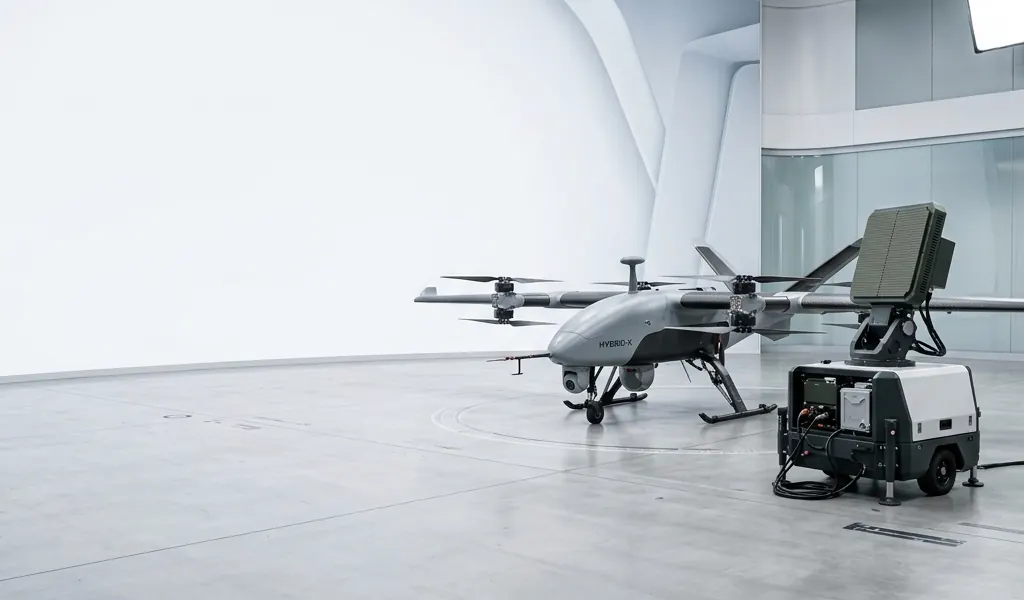
Drone Communication Systems: Designing Resilient C2 for BVLOS Missions
Design resilient BVLOS drone communications by separating C2 and payload traffic, modeling route service, securing backup paths, and testing lost-link behavior.
OMNI UXV Technical Insights · 101 articles · Page 8 of 12
Practical guidance for selecting, integrating and operating unmanned, sensing and security systems—from mission definition and procurement to compliance, acceptance and lifecycle support.
Technical editorial archive
Showing 64–72 of 101
Design resilient BVLOS drone communications by separating C2 and payload traffic, modeling route service, securing backup paths, and testing lost-link behavior.
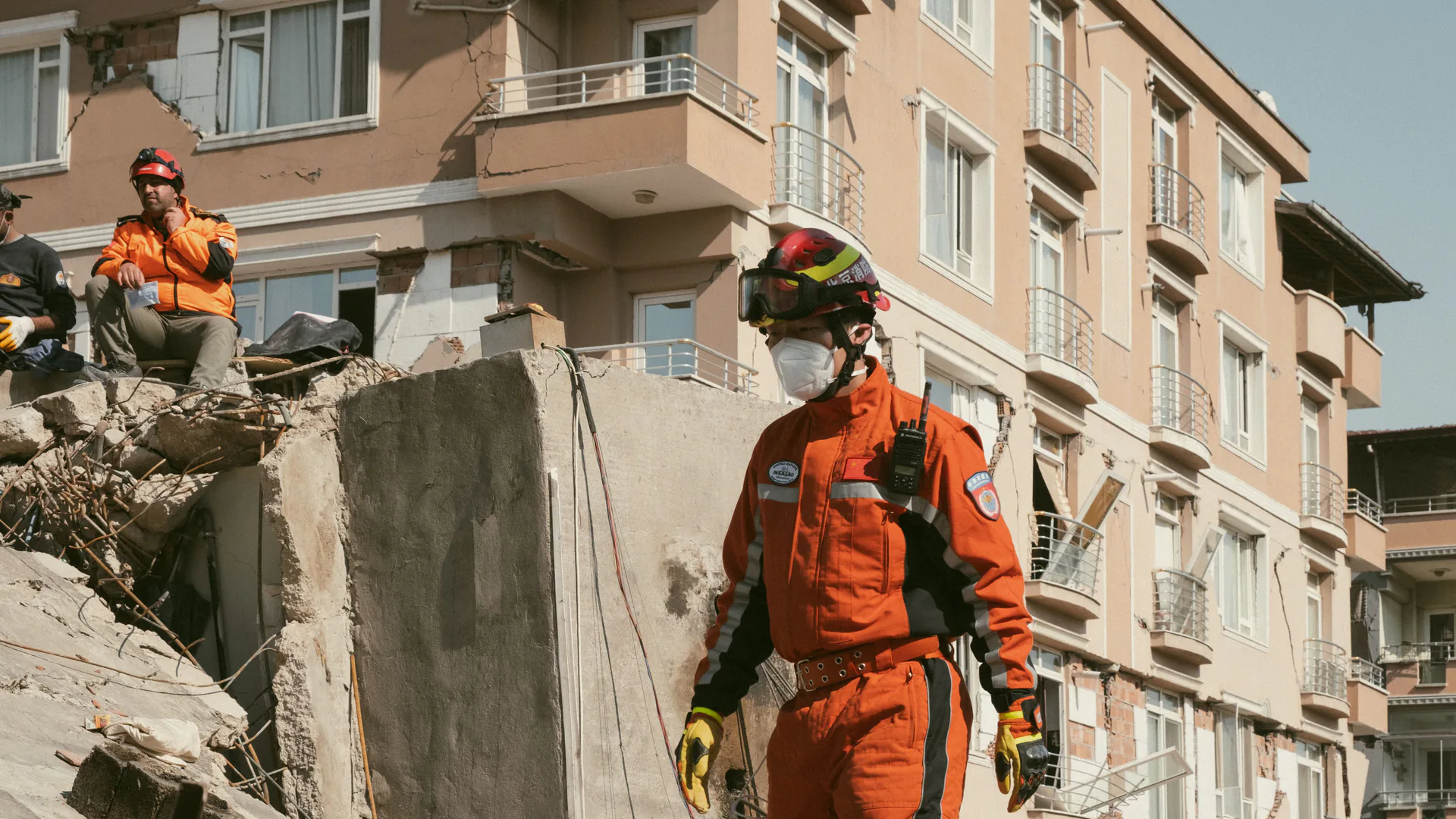
Select through-wall imaging radar by measurable outputs, wall and target limits, spectrum and authorization controls, and blind acceptance trials.

Plan drone solar panel inspections around radiometric evidence, weather, module identification, ground verification and repair-ready maintenance records.
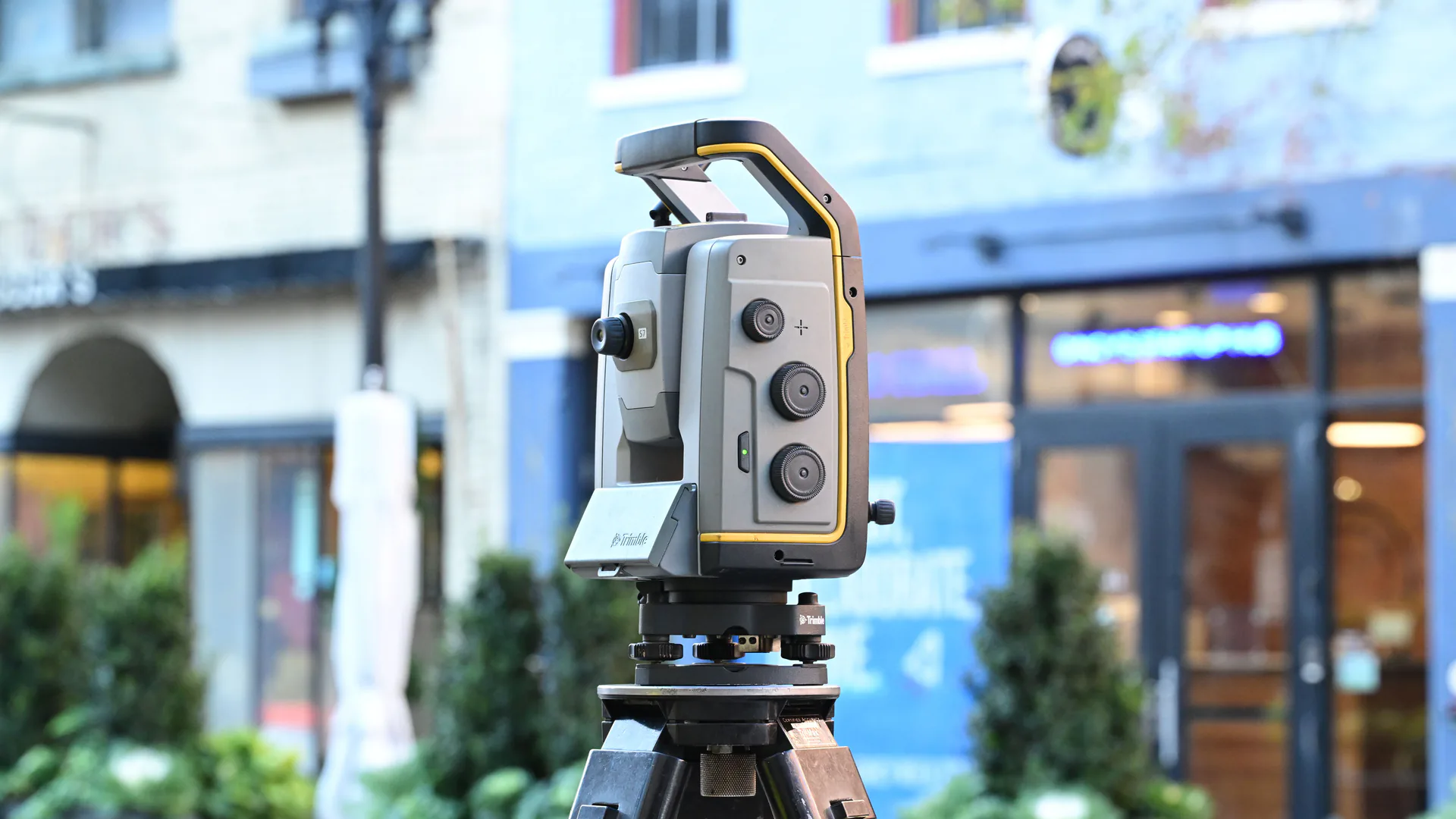
Choose RTK or PPK for drone surveys by checking correction links, raw observations, coordinate systems, independent checkpoints and delivery evidence.
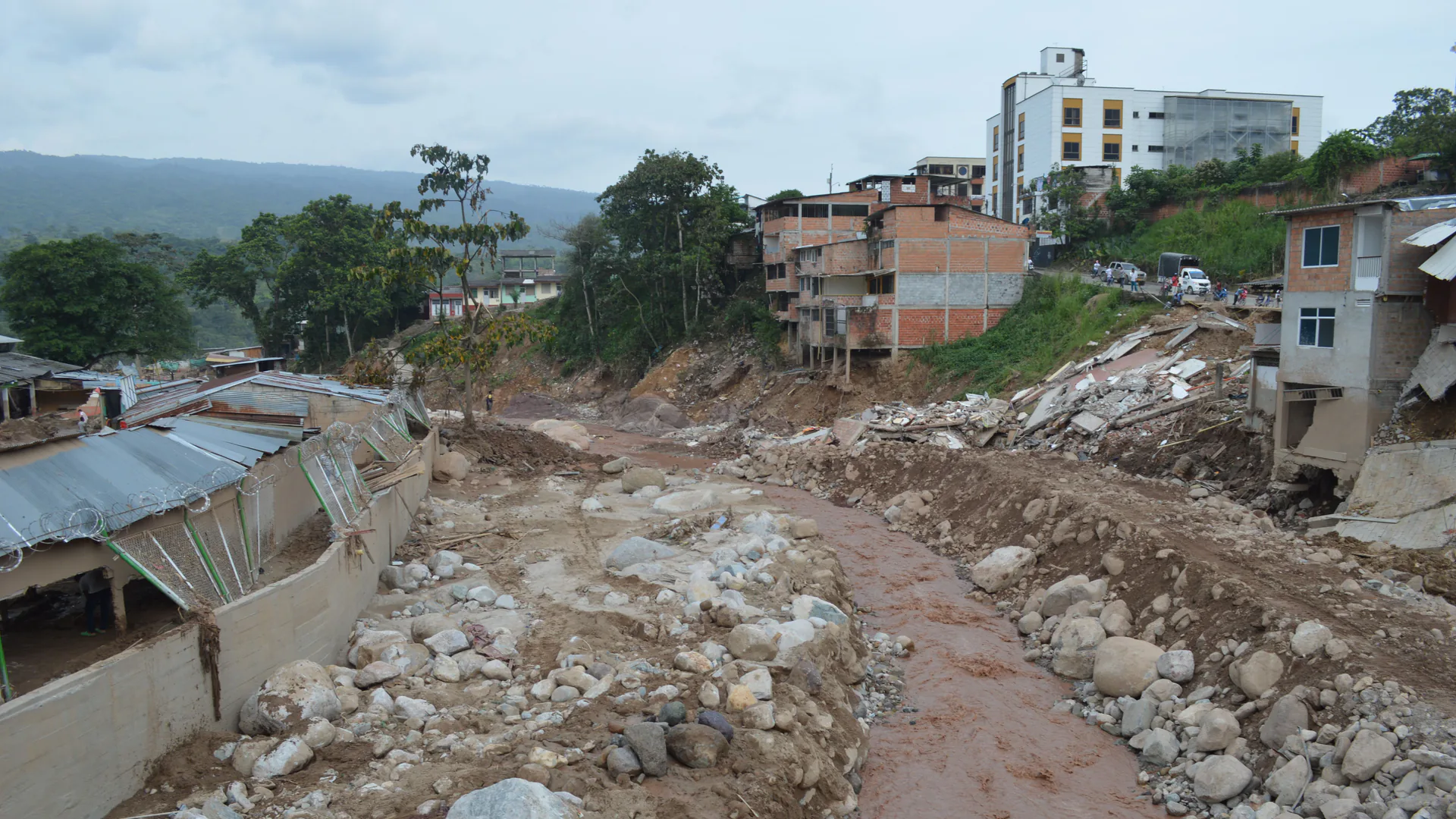
Design a landslide early warning system from hazard knowledge and multi-sensor monitoring through uncertain thresholds, trusted communication, action, and drills.
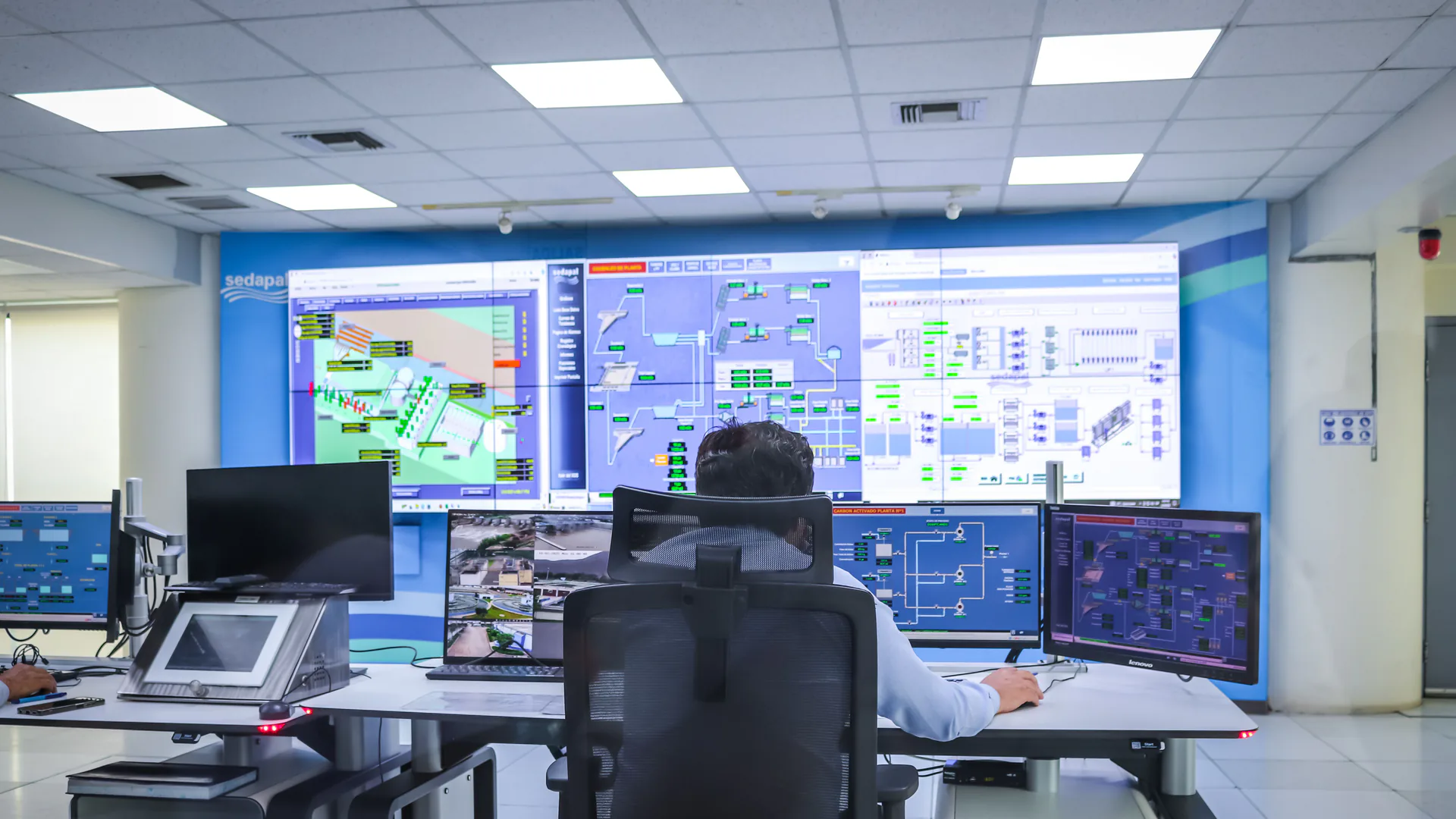
Compare PSIM and VMS by operating object, integrations, workflow, evidence, cybersecurity, resilience, lifecycle ownership, and incident acceptance tests.
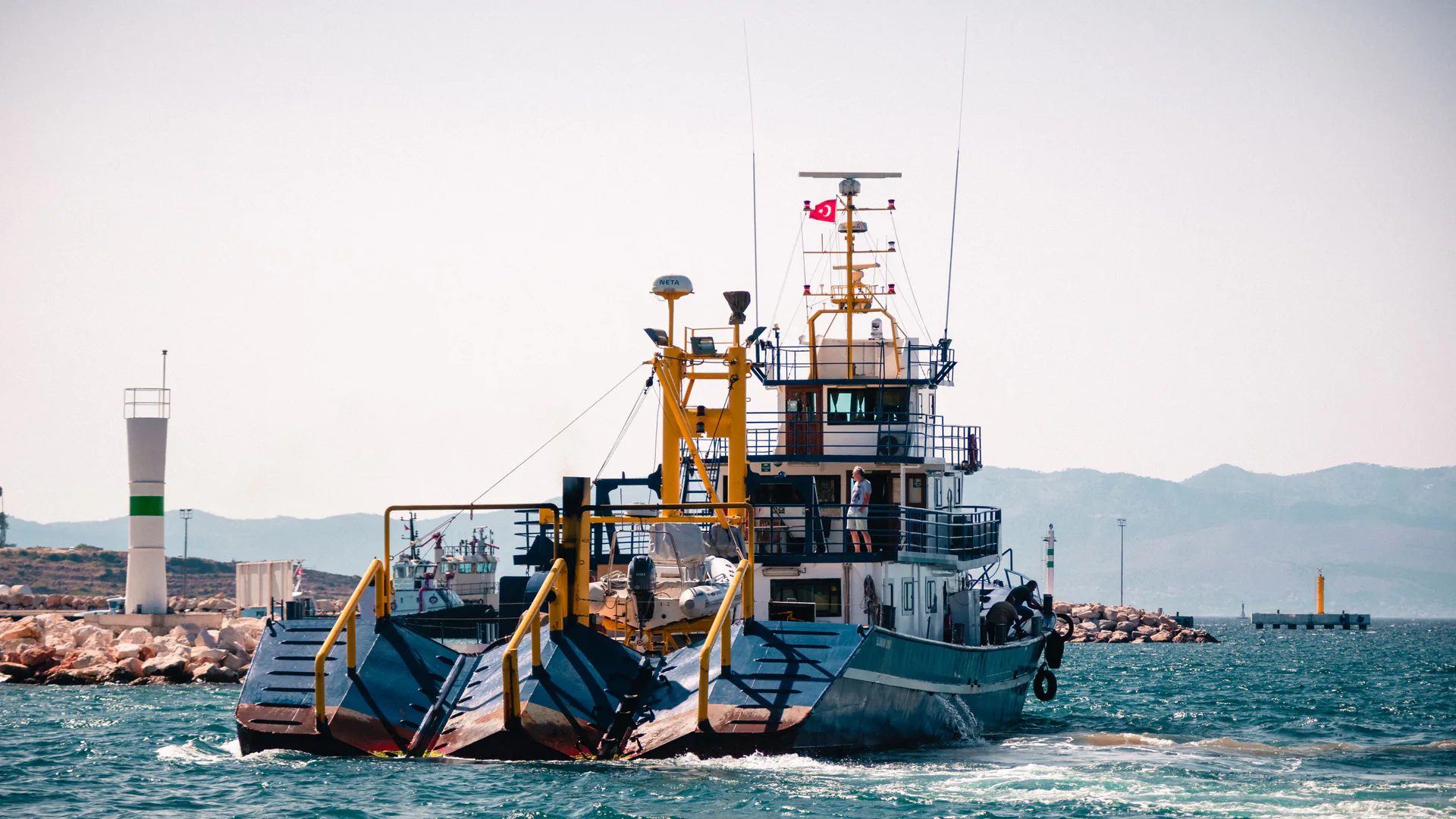
Understand and accept a multibeam echosounder survey through the full measurement chain, calibration, coverage, uncertainty, feature detection, and deliverables.

Design a pipeline drone inspection program that separates patrol and leak methods, controls BVLOS links, and closes findings in GIS and work orders.
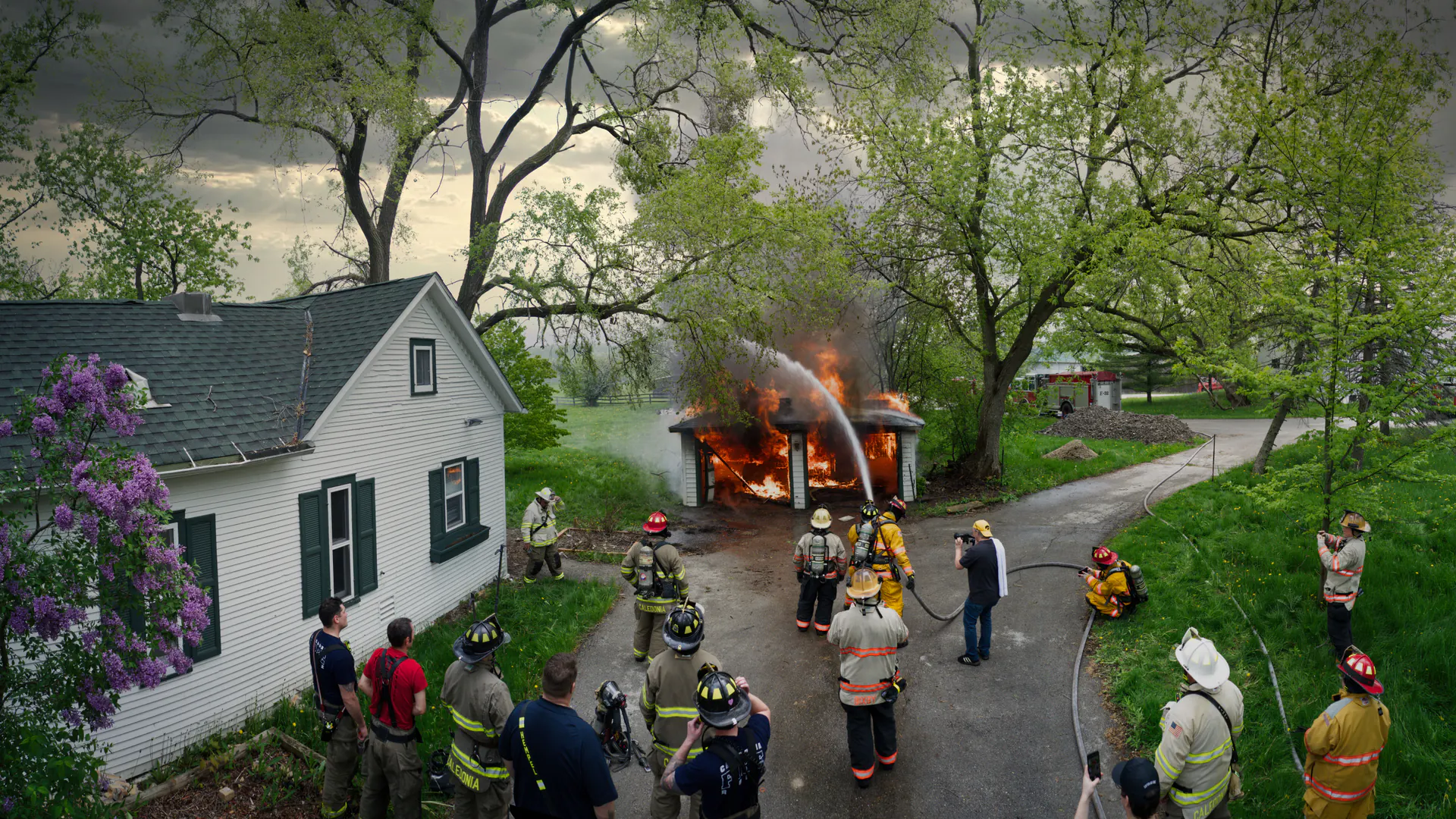
Build an emergency response drone program around incident command, airspace, mission-ready payloads, degraded communications, evidence, exercises, and maintenance.
Content hierarchy
Categories keep the editorial library navigable as it grows. Each article links to its parent product category, relevant solution architecture and supporting resources.
System architecture, sensing, interfaces and acceptance methods.
Selection frameworks that turn datasheet claims into testable requirements.
Field workflows, alarms, evidence and human decision-making.
Current policy signals and their practical implications for procurement.
Transaction due diligence, classification and documentation workflows.
Use the guides to frame the operating problem, then send us the mission, site and destination for a traceable equipment review.
Discuss your requirements