Engineering Guide
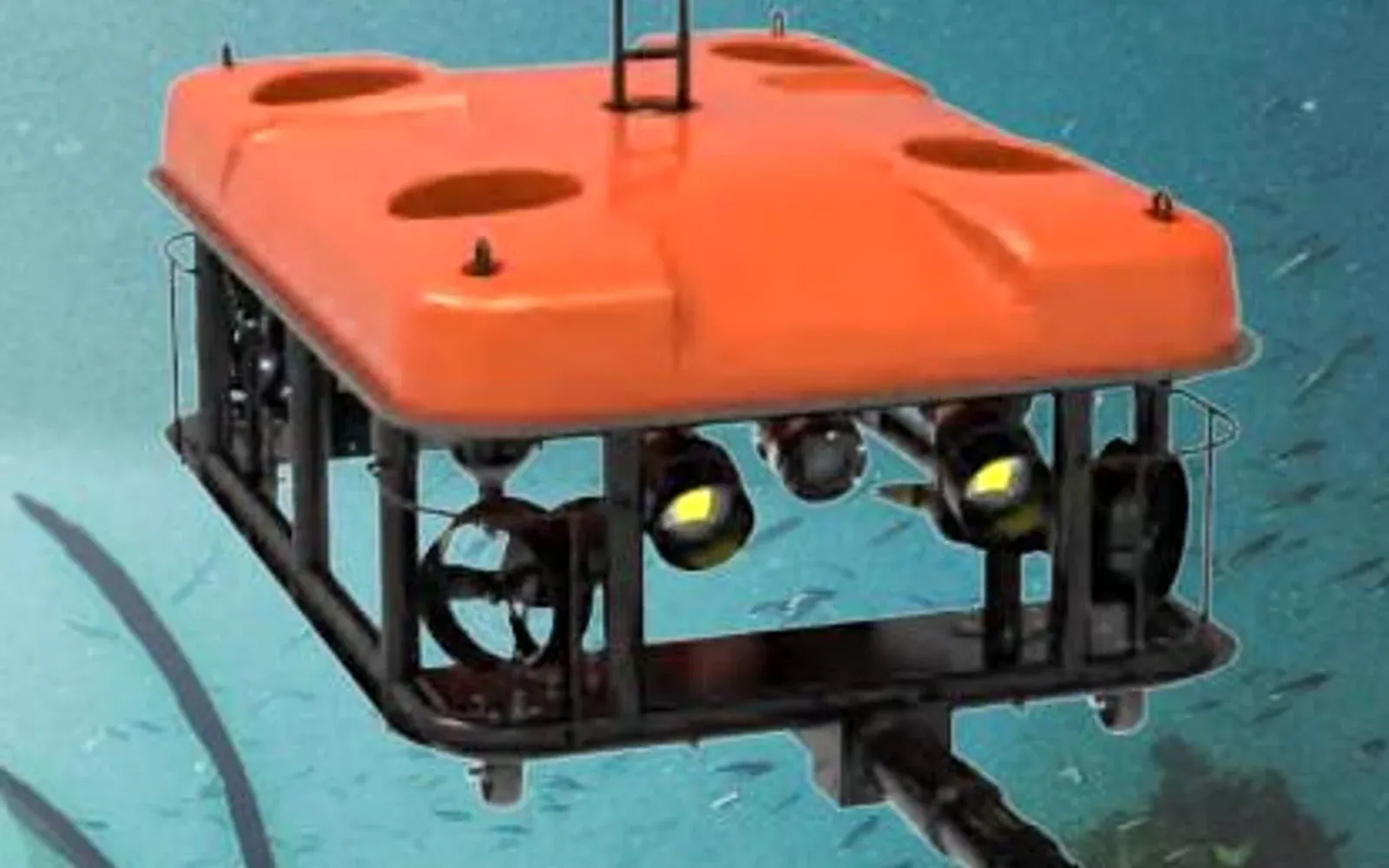
ROV Cameras in Turbid Water: Control Standoff, Lighting, Motion, and Evidence
Improve low-visibility ROV inspection by testing camera and light geometry, controlling standoff and motion, preserving scale, and handing off to sonar.
OMNI UXV Technical Insights · 101 articles · Page 2 of 12
Practical guidance for selecting, integrating and operating unmanned, sensing and security systems—from mission definition and procurement to compliance, acceptance and lifecycle support.
Technical editorial archive
Showing 10–18 of 101
Improve low-visibility ROV inspection by testing camera and light geometry, controlling standoff and motion, preserving scale, and handing off to sonar.
Plan ROV sonar inspection from shakedown and search pattern through contact marking, reacquisition, close inspection, coverage control, and reporting.
Plan in-service water tank ROV inspection around owner approval, sanitary controls, tank zones, camera and sonar evidence, coverage, findings, and restoration.
Build a counter-drone radar acceptance test for targets, routes, clutter, truth data, track continuity, camera cueing, faults, and retained evidence.
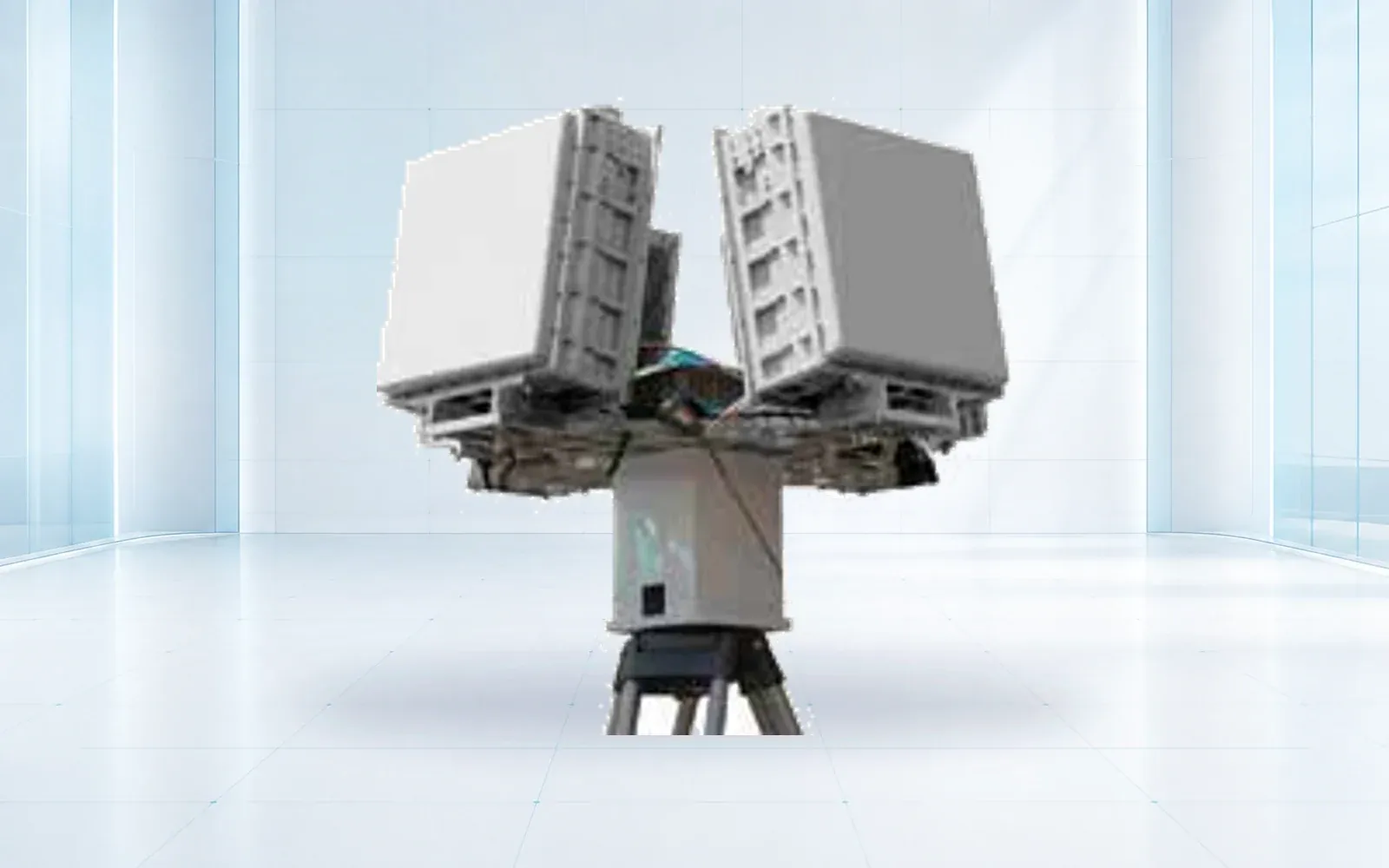
Place counter-drone radar by mapping protected volume, terrain, low-altitude occlusion, clutter, structures, spectrum, camera cueing, and field verification.
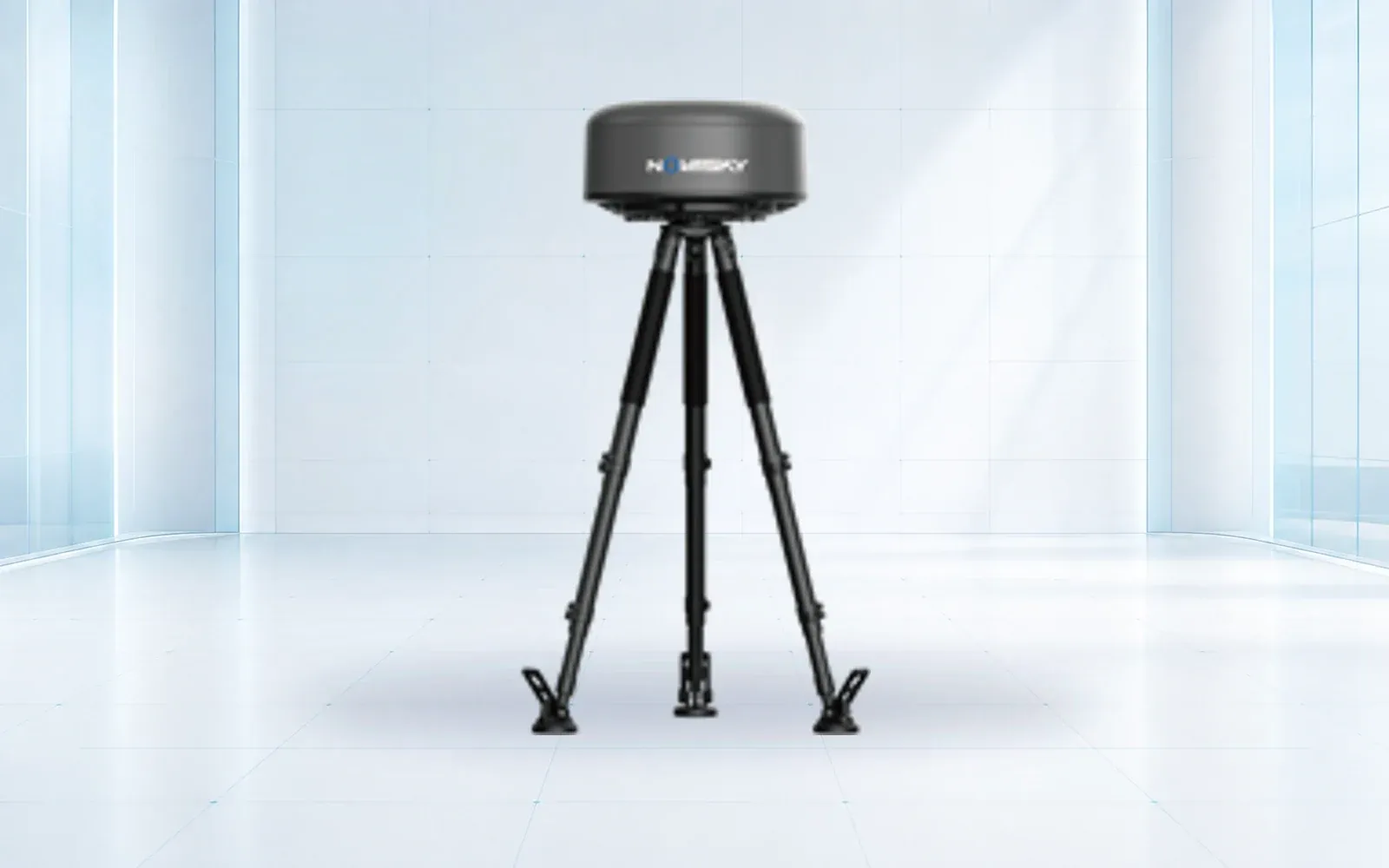
Design counter-UAS false-alarm tests with event definitions, synchronized truth, exposure hours, clutter labels, operator review, tuning controls, and soak periods.
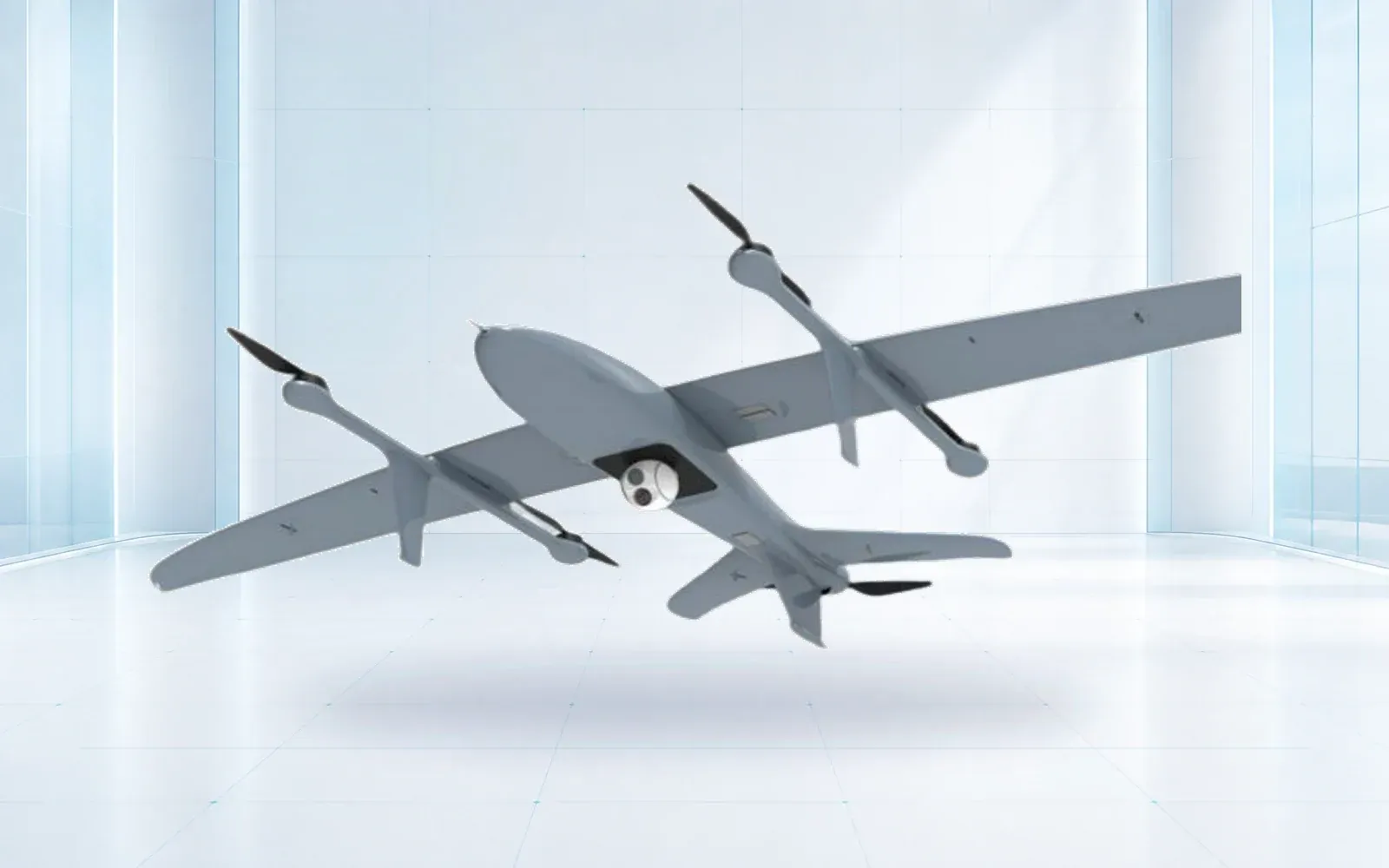
Plan usable drone endurance with a segment energy budget for payload, wind, altitude, reserves, diversion, battery condition, and representative flight tests.
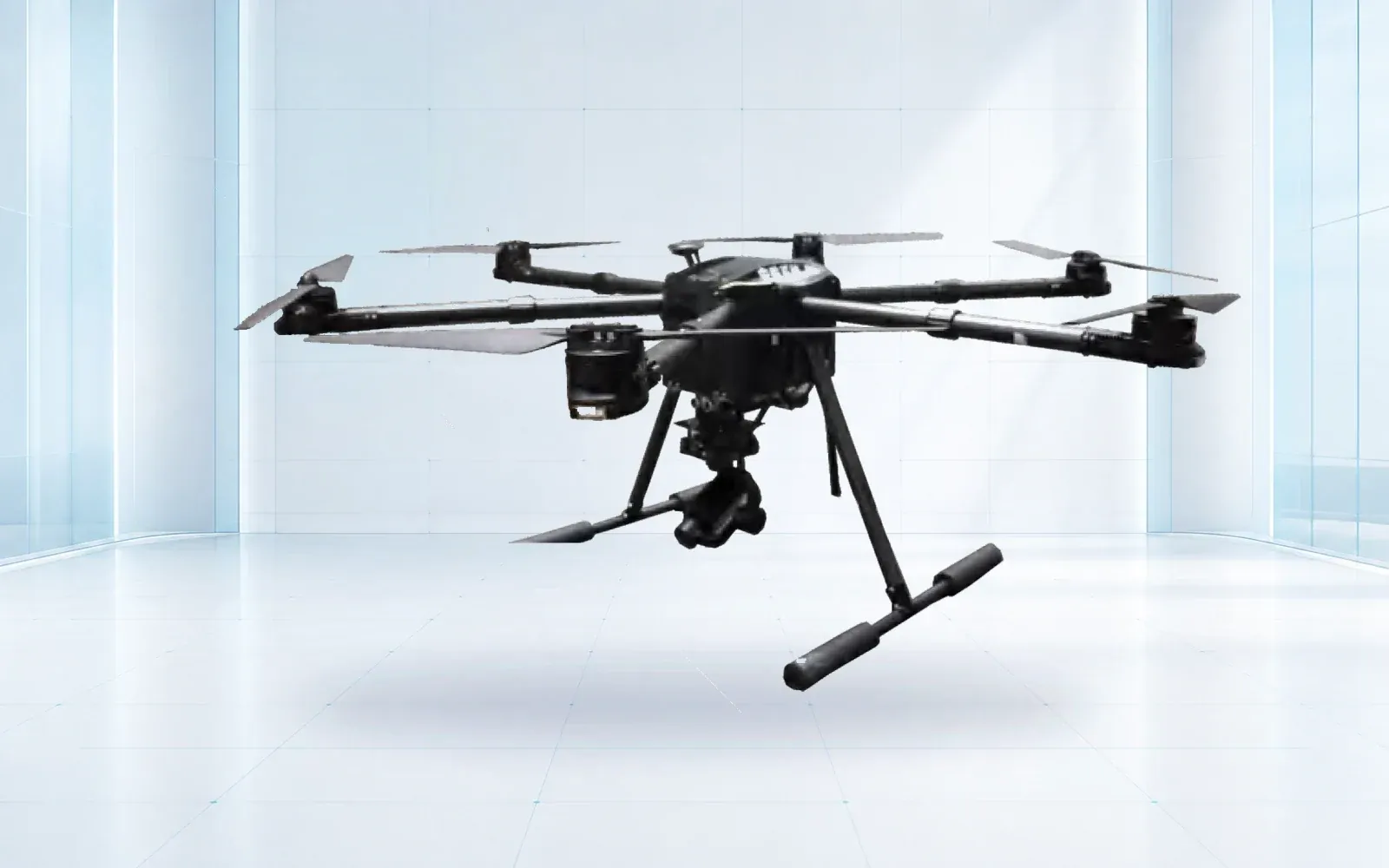
Integrate drone payloads with an interface matrix covering mass, center of gravity, mounting, power, thermal control, data, failure behavior, and flight acceptance.
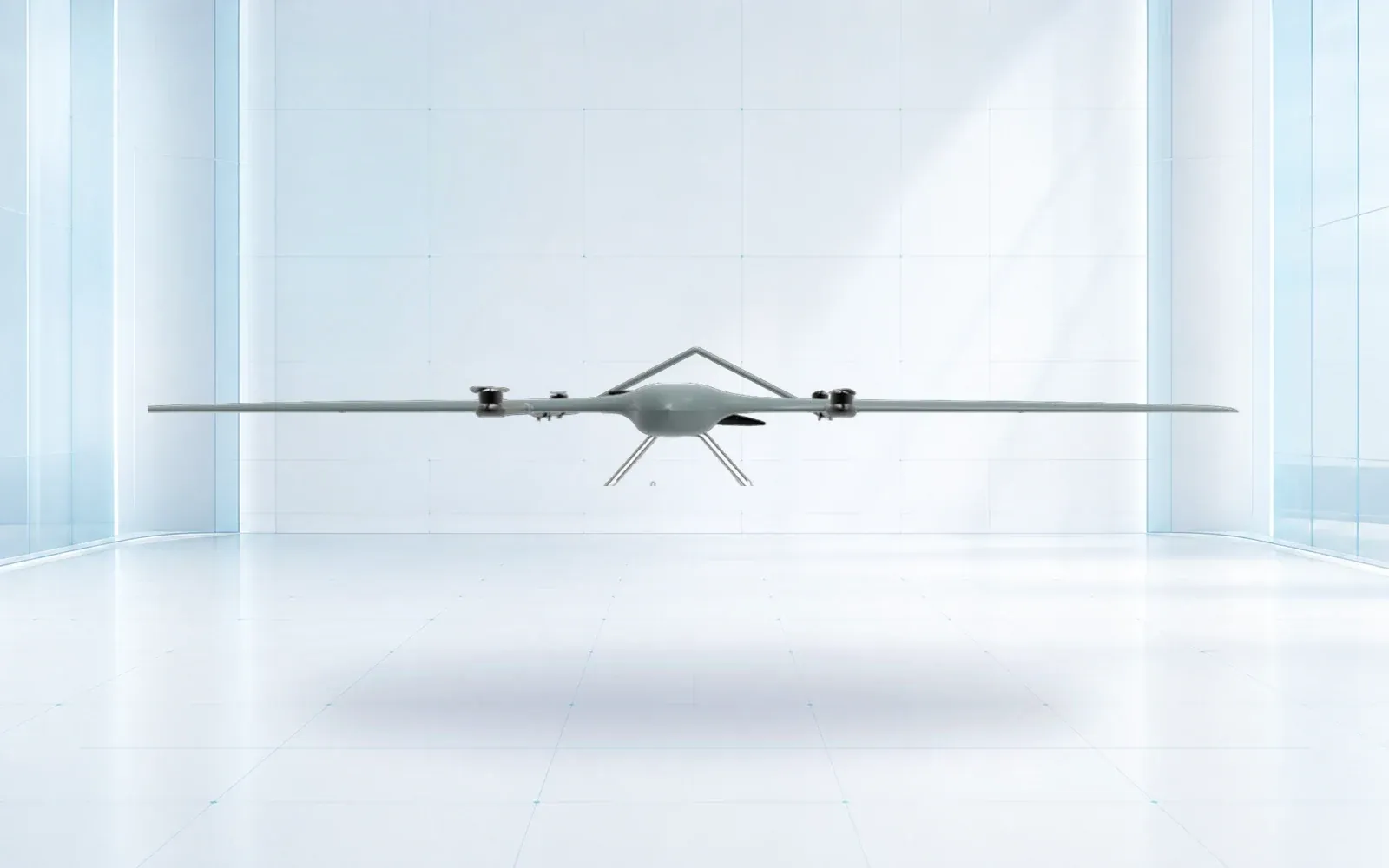
Compare fixed-wing and multirotor mapping drones by deliverable, site geometry, launch space, hover needs, field workload, and acceptance evidence.
Content hierarchy
Categories keep the editorial library navigable as it grows. Each article links to its parent product category, relevant solution architecture and supporting resources.
System architecture, sensing, interfaces and acceptance methods.
Selection frameworks that turn datasheet claims into testable requirements.
Field workflows, alarms, evidence and human decision-making.
Current policy signals and their practical implications for procurement.
Transaction due diligence, classification and documentation workflows.
Use the guides to frame the operating problem, then send us the mission, site and destination for a traceable equipment review.
Discuss your requirements