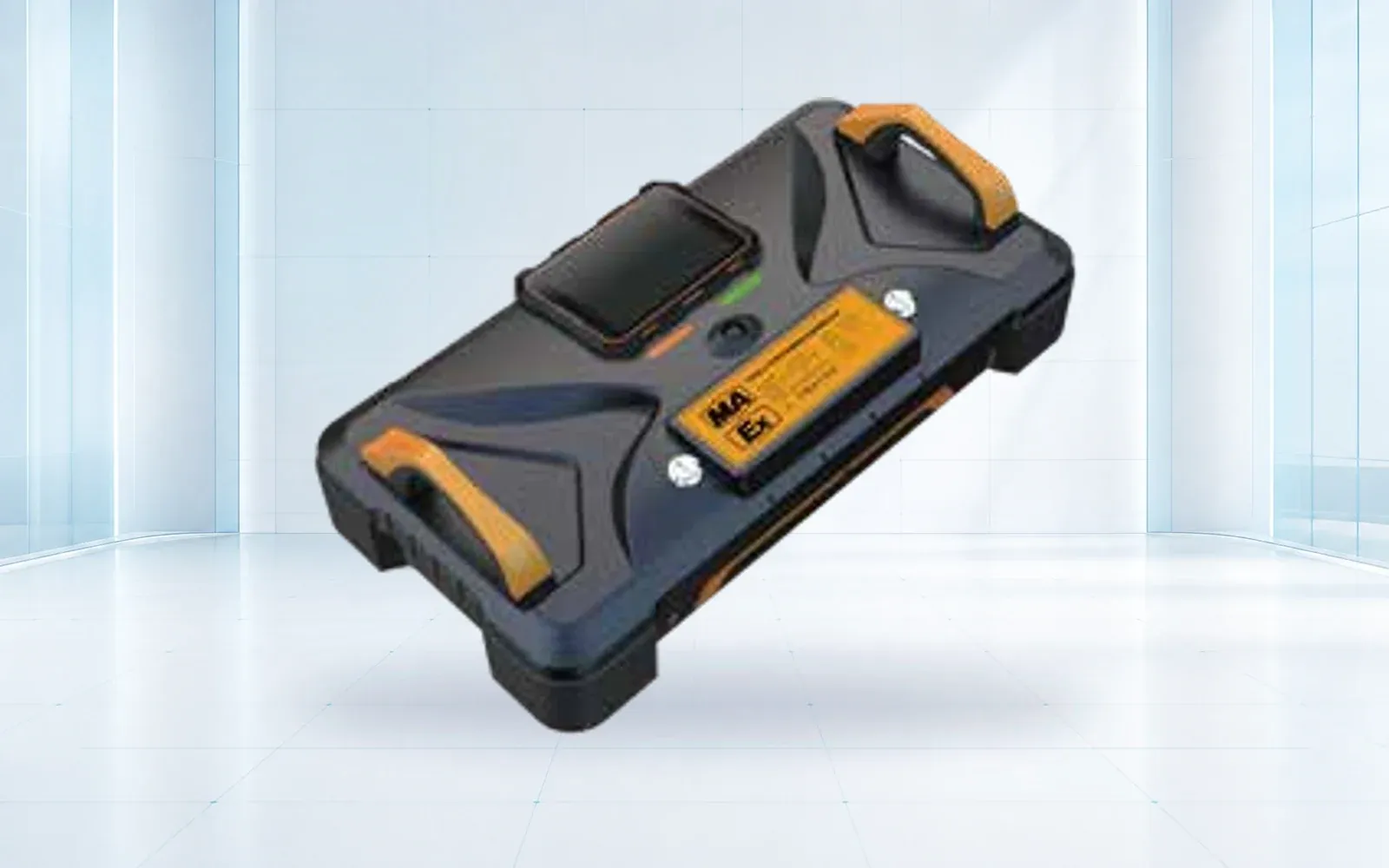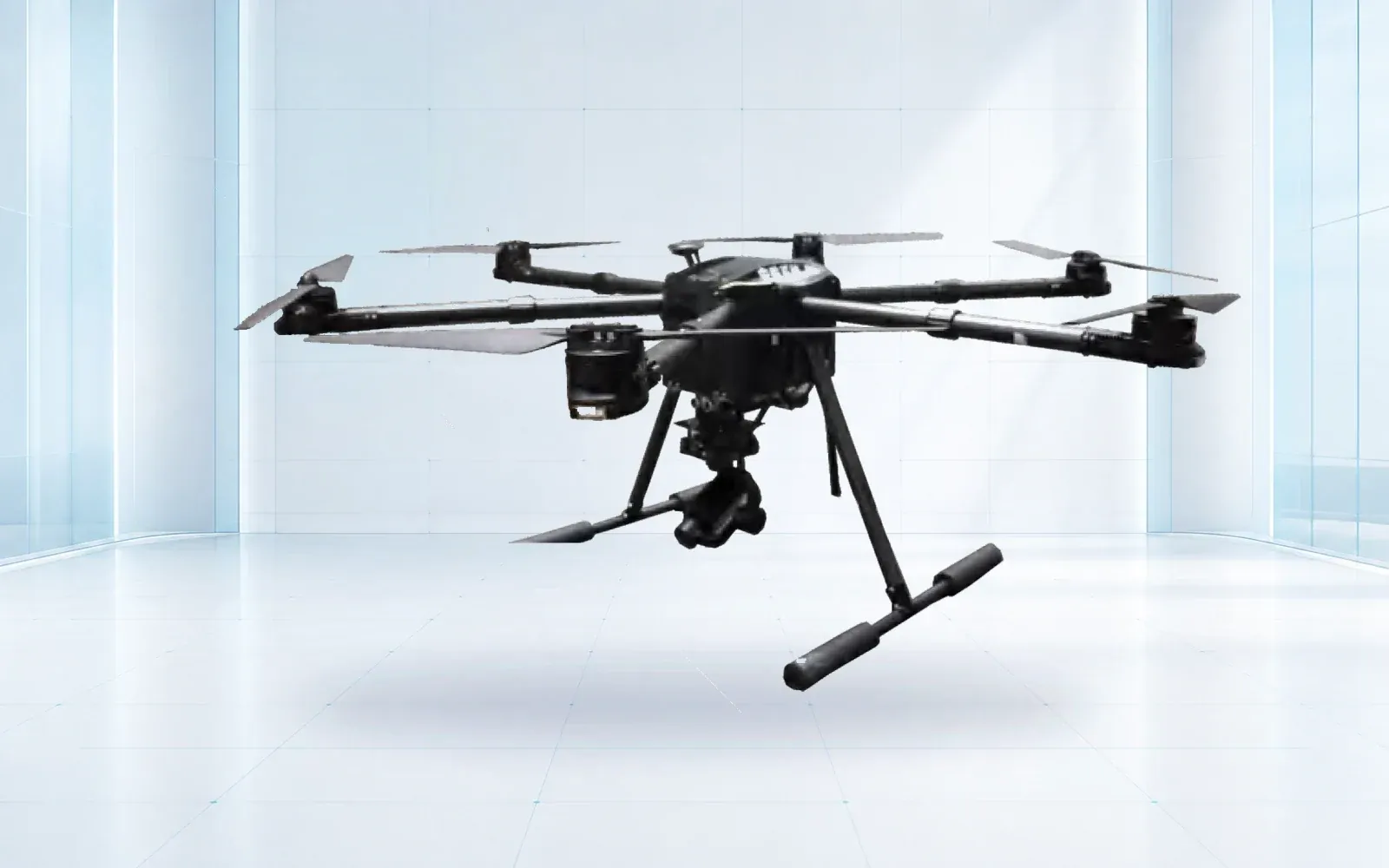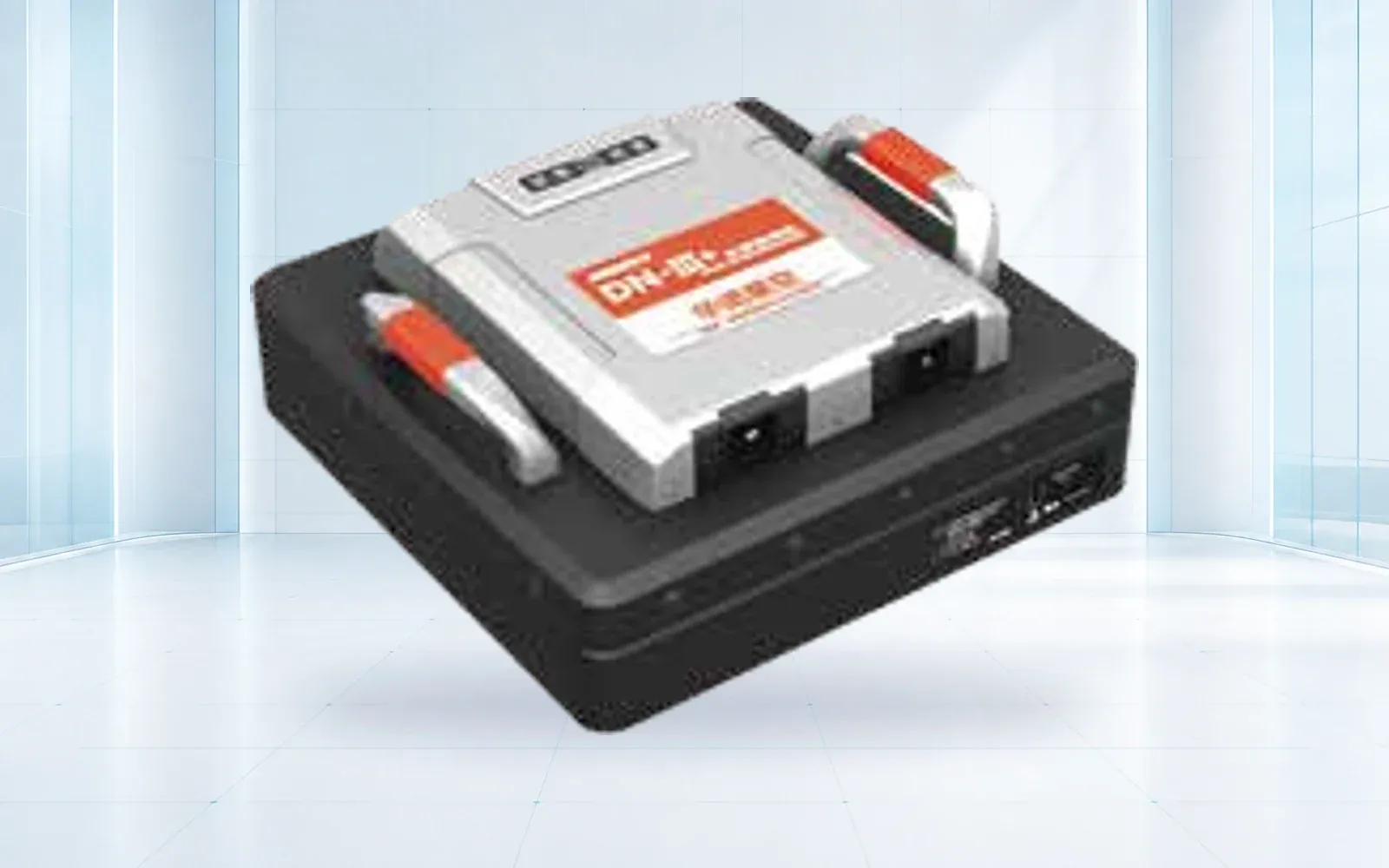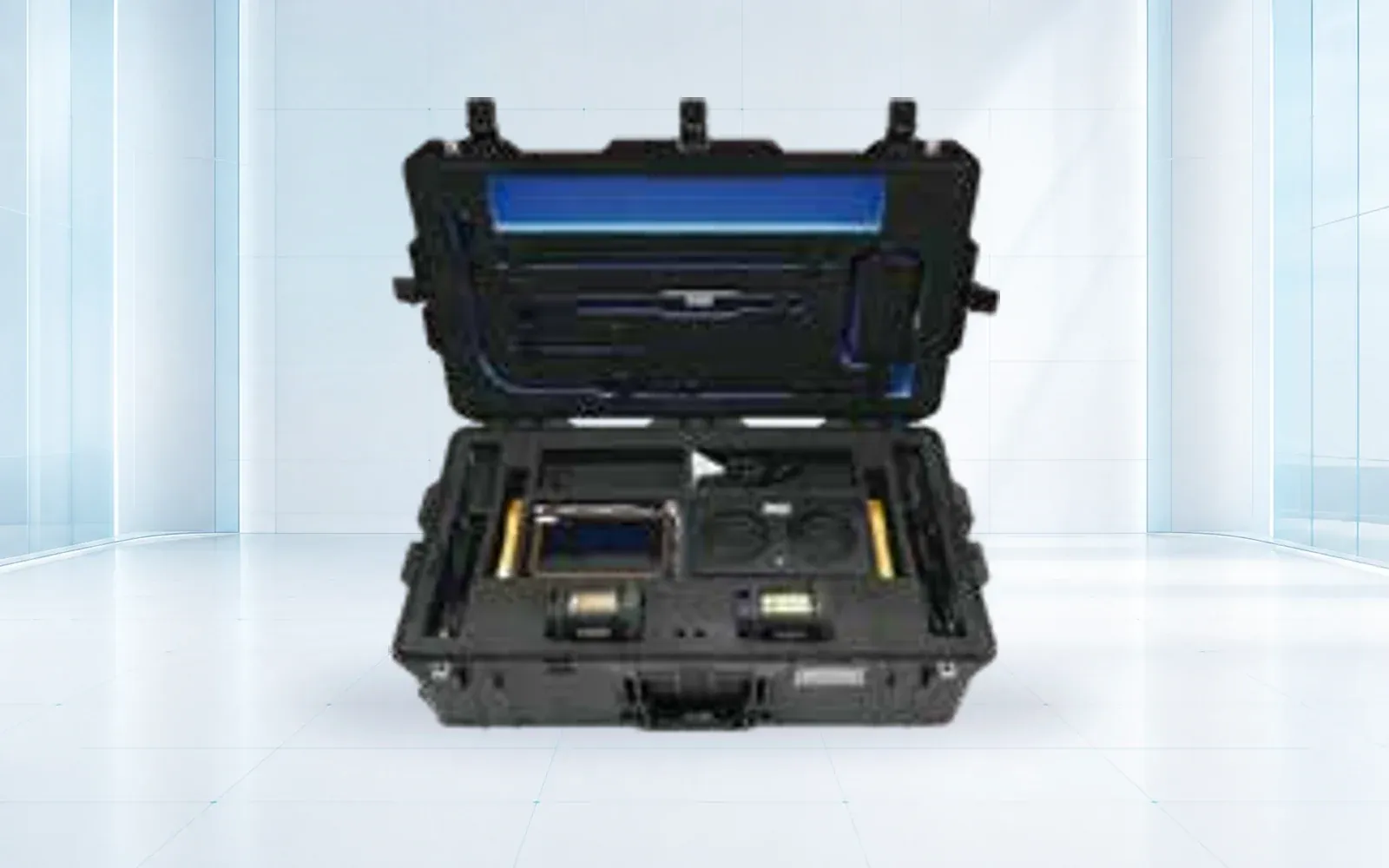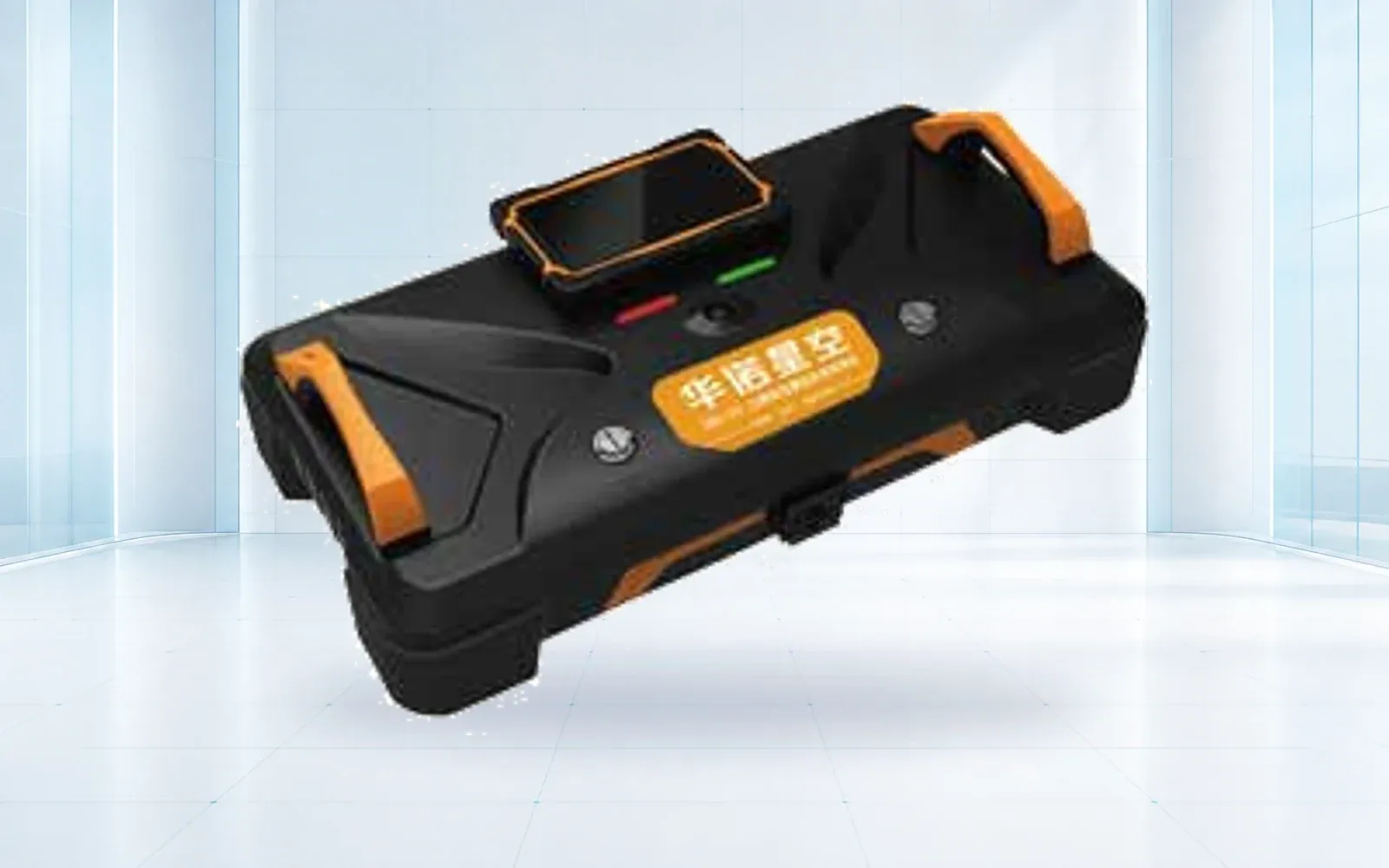
A radar life detector should be accepted as part of a technical-search workflow, not from one clear demonstration. Testing must include representative barriers and voids, moving and still targets, no-target trials, machinery and responder artifacts, repeat scans, blinded operator decisions, location and confidence records, and handoff to independent confirmation.
Table of Contents
Define the Claim as an Observable Test Result
Separate presence indication, motion detection, range estimate, direction or location, multi-target display, breathing-related signature, and operator conclusion. State which output the delivered system is expected to produce and under which materials, distances, target states, and environmental conditions.
Do not use “finds survivors” as a pass/fail line. Define repeatable observations and the next action: rescan, change position, quiet the scene, deploy another sensor, mark a search area, or inform the technical-search leader.
DHS’s operational field assessment of a presence-of-life radar used multiple stations, tasks, evaluators, and structured user feedback. That model is more informative than a single supplier-operated positive target.
Build a Barrier-and-Target Matrix
Select scenarios from the agency’s actual mission profile and training facilities. Record wall or rubble material, thickness, reinforcement, layers, moisture, air gap or void, target distance and posture, sensor standoff and angle, obstructions, and other moving sources.
| Test dimension | Required variation | Acceptance evidence |
|---|---|---|
| Barrier | Representative materials, layers, reinforcement and moisture | Measured description and photographs |
| Target state | Moving, minimal movement, position changes and no target | Blinded truth timeline |
| Geometry | Standoff, angle, height, void and target location | Surveyed or measured setup |
| Artifact | Responders, vehicles, fans, pumps, water, vibration and animals as relevant | Controlled source log |
| Operator task | Setup, baseline, scan, repeat, confidence, mark and report | Rubric, timestamps and exported data |
| Handoff | Camera, acoustic, canine, visual, second radar position or rescue team | Recorded confirmation and disagreement |
Include conditions the system is not expected to resolve. A credible acceptance record identifies the operating boundary instead of hiding unfavorable materials or target states.
Create Blinded Truth and Control the Scene
Keep the operator unaware of target presence or location for scored trials. Use a safety controller to manage targets and conditions. Synchronize truth, radar, video of the test setup where appropriate, operator statements, and event markers. Randomize positive, negative, and ambiguous trials so the operator cannot infer the answer from a fixed pattern.
Control responder motion, radios, vehicles, fans, generators, tools, water flow, and animals, then introduce selected artifacts deliberately. Record quieting time and whether an indication persists when a source stops. The goal is not an unrealistically silent site; it is understanding which scene controls are necessary.
NIST’s through-barrier program notes that performance testing is affected by operator skill, evolving scenarios, and test variability. Treat the operator and procedure as tested parts of the system.
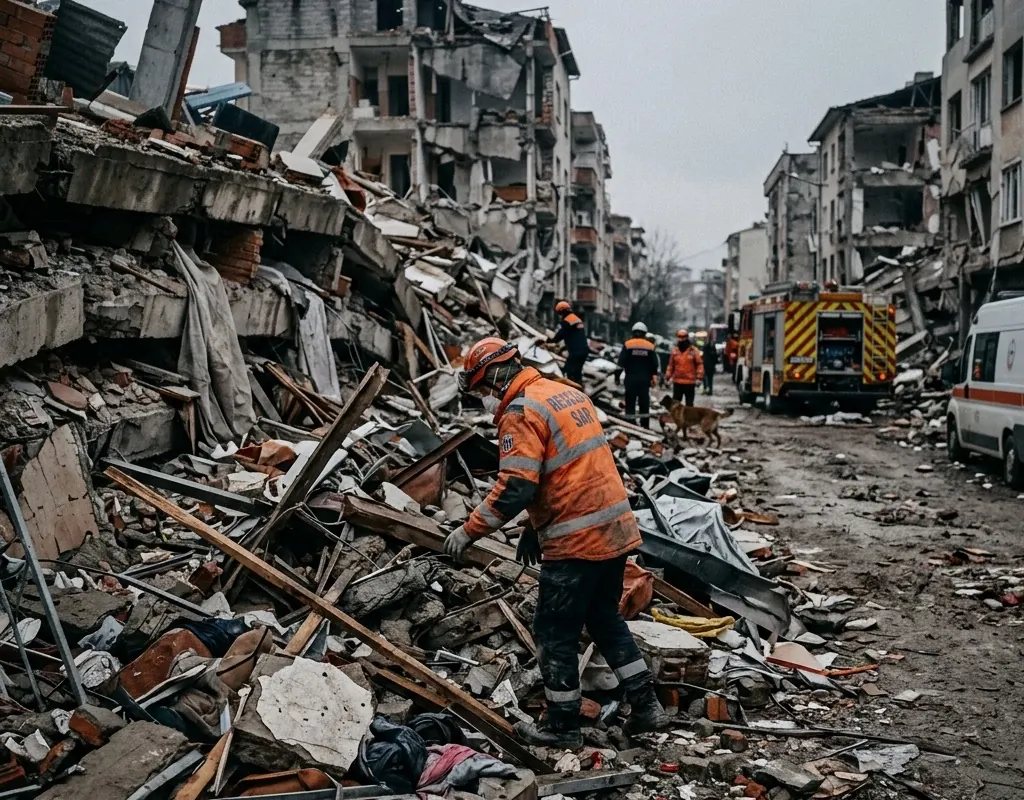
Score Repeatability, Denial, and Handoff
Record whether the operator reached the correct state, how long setup and interpretation took, number of positions, repeated-scan agreement, location error where claimed, confidence calibration, false indication, missed indication, unusable result, evidence completeness, and handoff quality.
Reward a correct “insufficient evidence” outcome when conditions exceed the accepted envelope. A system that forces a positive or negative answer from poor data can be less useful than one that exposes uncertainty.
FEMA resource typing places search cameras, listening devices, mapping, GPS, and other victim-locating equipment within a broader technical-search capability. Test radar handoff to the agency’s actual corroboration tools and command structure.
Inject Equipment and Workflow Failures
Test low battery, interrupted power, lost data export, clock error, incomplete baseline, sensor movement, contaminated setup, blocked access, failed storage, and operator changeover using safe procedures. Confirm that degraded states are visible and that a new scan is not mistaken for a continuation of an earlier position.
Preserve configuration, software, operator ID, training state, setup, barrier, truth, raw export, interpretation, confidence, and final disposition. Establish retest triggers for firmware, algorithm, antenna, display, procedure, training, battery, or intended environment changes.
Accept the Search System, Not a Promise
Use the operator-training guide to build the competency rubric and the evidence-led search workflow to integrate indications with sector control and confirmation.
Evaluate the DN-III radar life detector, DN-IV 2D system, and DN-VI multimodal system against the actual matrix. The life-detection portfolio, disaster-response solution, and resource center support the complete acceptance file.
FAQs
Can a radar life detector confirm that a person is alive?
It can provide an indication associated with motion or other configured signal features, but the result requires interpretation, repeat scanning, scene control, corroboration, and the incident command's confirmation process.
What barriers should be included in a life-detector acceptance test?
Use materials, thicknesses, layers, void geometry, moisture, reinforcement, debris, access distances, and target positions representative of the intended search environments, plus known unsupported conditions.
Why should an acceptance test include no-target scenarios?
No-target trials reveal indications caused by responders, vehicles, fans, machinery, animals, water, vibration, multipath, setup errors, or processing behavior and test whether operators can deny a finding.
Should acceptance measure operator performance as well as radar output?
Yes. Setup, baseline, scene control, repeatability, interpretation, confidence, marking, communication, evidence export, and correct escalation are part of operational effectiveness.