
Operational Guide
Traffic Sensor Calibration: Maintain Zones, Clocks, Counts, and Confidence
Maintain traffic sensors with a controlled baseline, scheduled checks, truth samples, zone and clock verification, fault isolation, and retesting.
OMNI UXV Technical Insights · 101 articles
Practical guidance for selecting, integrating and operating unmanned, sensing and security systems—from mission definition and procurement to compliance, acceptance and lifecycle support.
Technical editorial archive
Showing 1–9 of 101
Maintain traffic sensors with a controlled baseline, scheduled checks, truth samples, zone and clock verification, fault isolation, and retesting.

Validate vehicle classification with a declared schema, synchronized truth, stratified sampling, confusion matrices, unknown labels, lane slices, and repeatable QA.
Design vehicle detection zones from the traffic action, then specify coordinates, lanes, dwell, latency, occlusion, event semantics, fail states, and commissioning.
Integrate life-detection tools into mine rescue using command authority, last-known locations, sector cards, noise control, repeat scans, and corroboration.
Accept radar life detectors with representative barriers, target states, no-target trials, movement artifacts, truth data, repeat scans, and rescue handoffs.
Build through-wall radar operator competence with authority checks, material surveys, baselines, scene control, repeat scans, no-target drills, and clear handoffs.
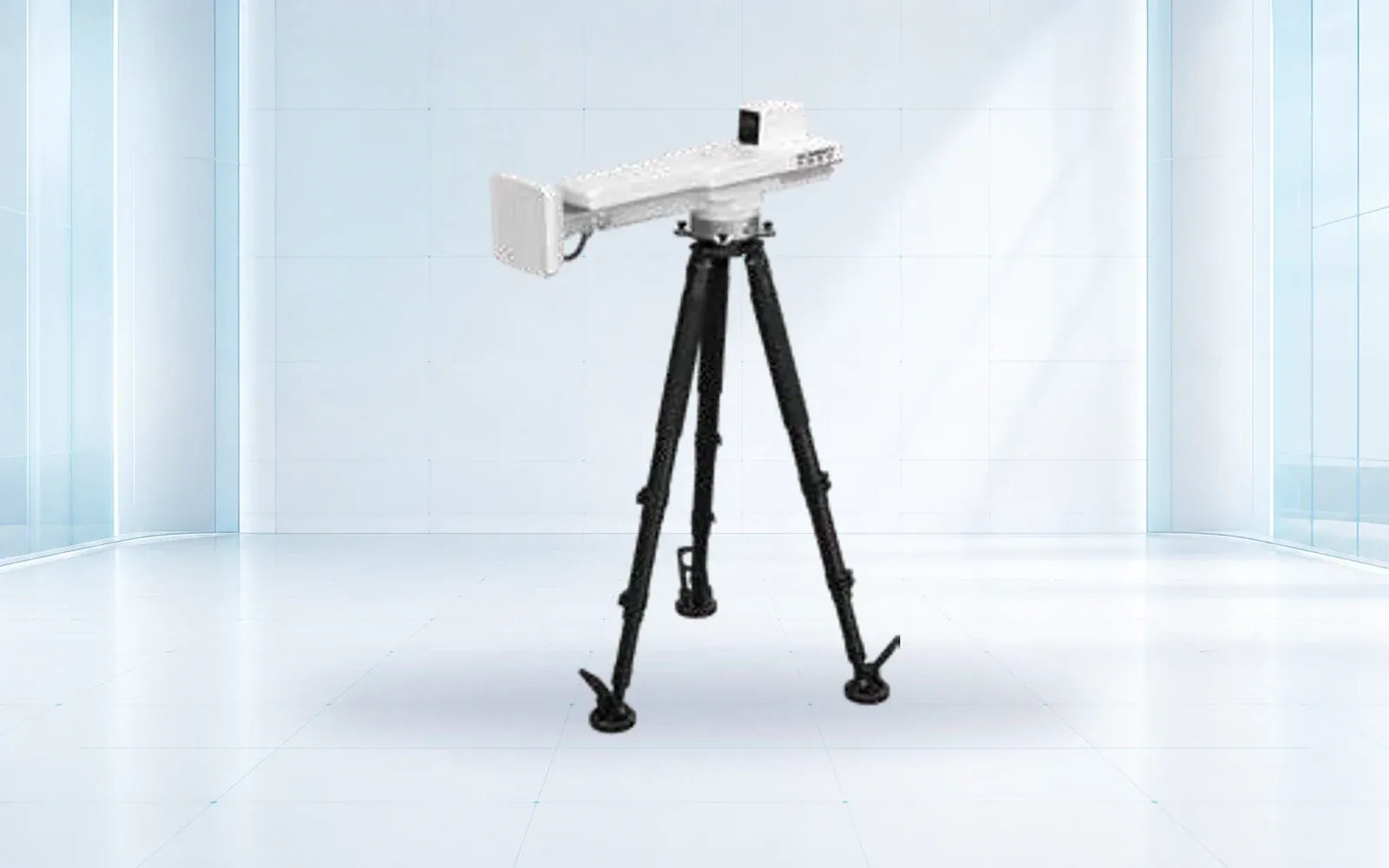
Compare InSAR and ground-based radar by coverage, revisit, latency, line-of-sight, coherence, reference, deployment needs, warning use, and handoff.
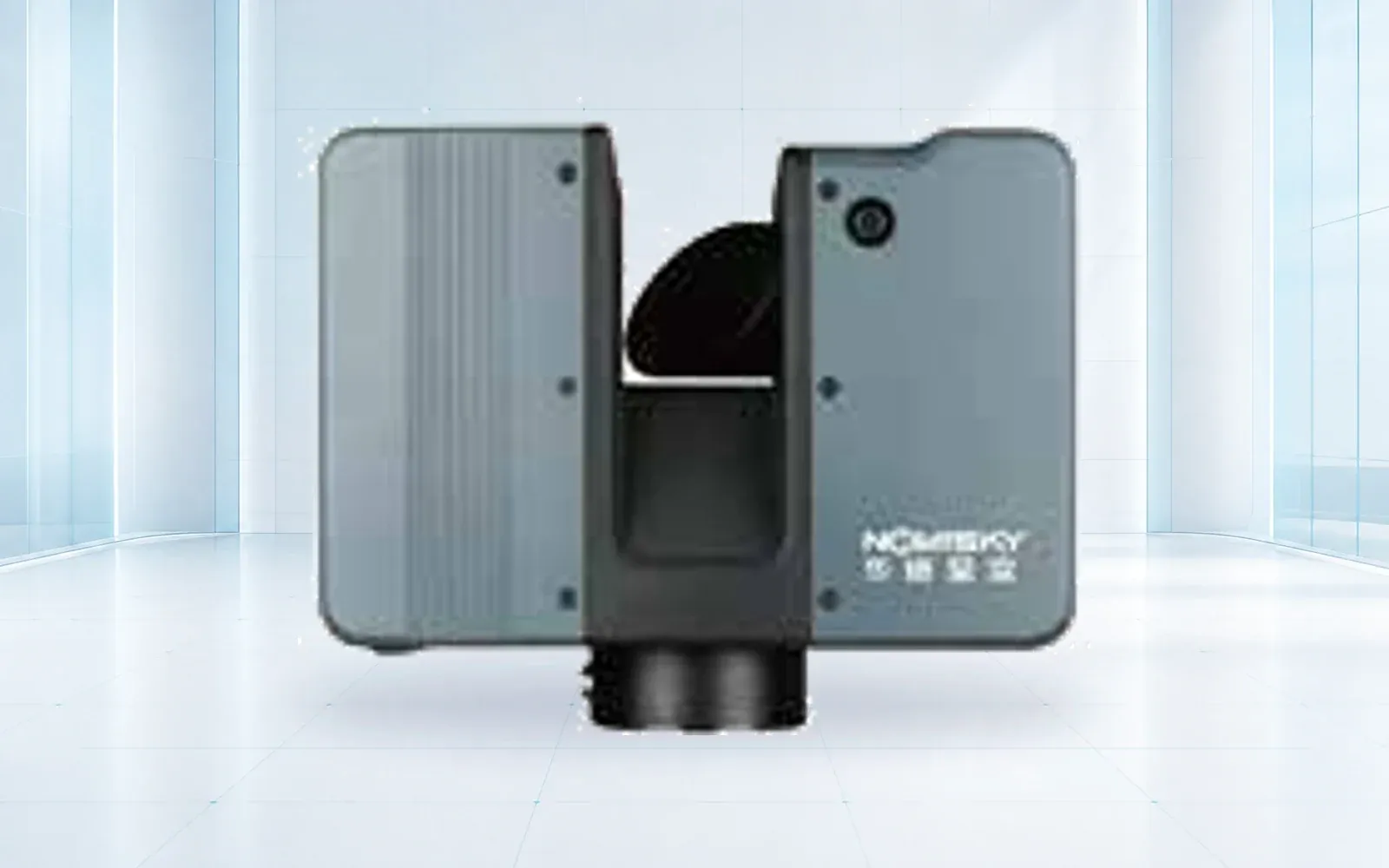
Compare laser scanning and monitoring radar by observed quantity, coverage, revisit, reference, weather, uncertainty, alarm use, and combined workflow.
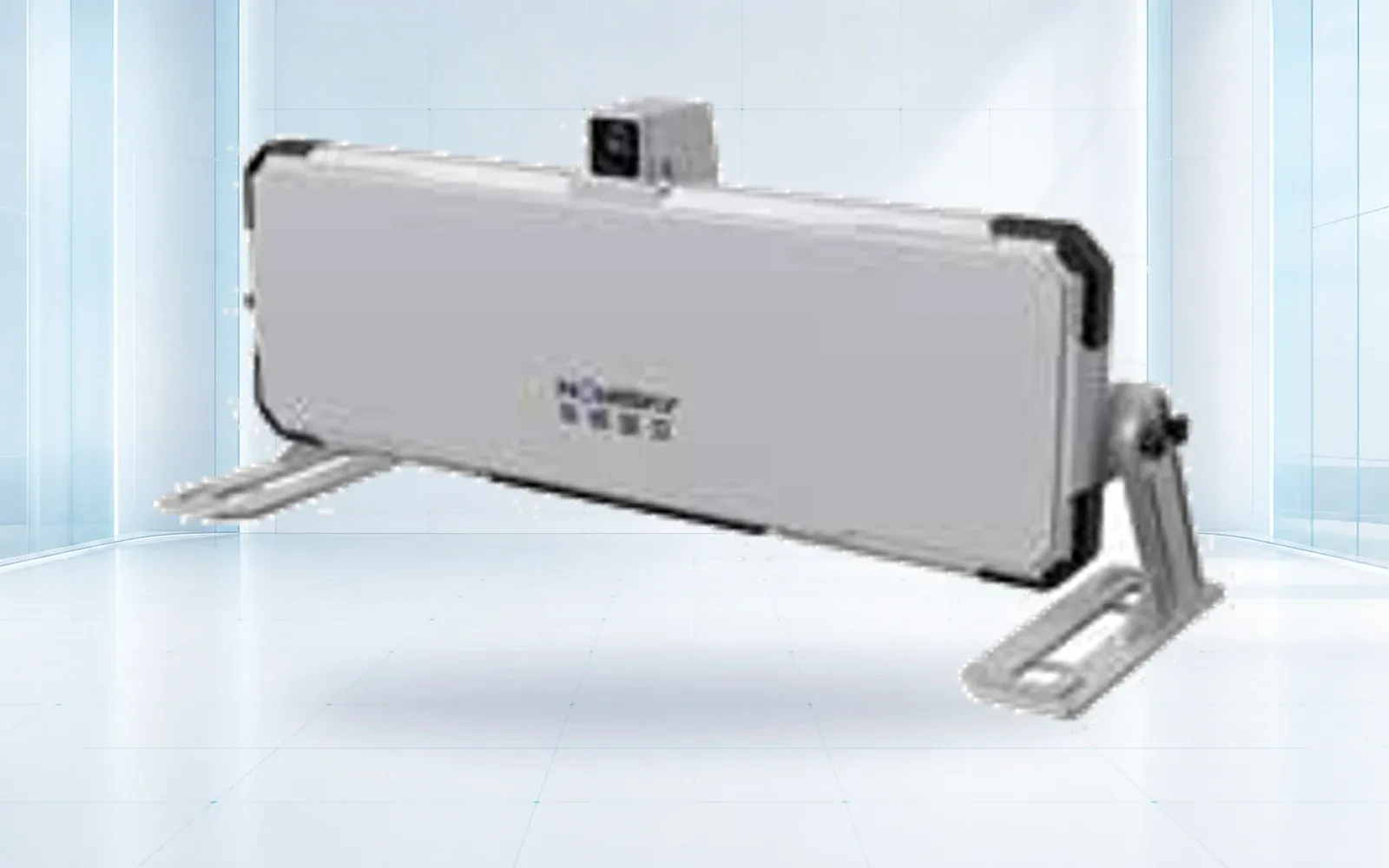
Compare slope monitoring radar, GNSS, prisms, laser scanning, inclinometers, and piezometers by measurement, coverage, timing, and response use.
Content hierarchy
Categories keep the editorial library navigable as it grows. Each article links to its parent product category, relevant solution architecture and supporting resources.
System architecture, sensing, interfaces and acceptance methods.
Selection frameworks that turn datasheet claims into testable requirements.
Field workflows, alarms, evidence and human decision-making.
Current policy signals and their practical implications for procurement.
Transaction due diligence, classification and documentation workflows.
Use the guides to frame the operating problem, then send us the mission, site and destination for a traceable equipment review.
Discuss your requirements