Through-wall radar training should teach operators to manage uncertainty, not merely navigate a display. Competence includes authority and policy checks, barrier and scene survey, stable setup, baseline collection, motion control, repeated scans, artifact recognition, confidence language, location marking, evidence preservation, and a disciplined decision to confirm, deny, or stop.
Table of Contents
1. Establish Authority, Purpose, and Denied Uses
Before device controls, teach who may authorize use, for which mission, against which location or barrier, under what policy, and how privacy, evidence, disclosure, retention, and safety requirements apply. Include scenarios where the correct action is not to deploy the system.
The NIJ best-practices guide for through-wall sensors emphasizes policy, training, wall effects, metal, scene control, and confirmation. Agencies should apply their current law and policy; technical capability is not authority.
Define the device as a sensor that produces interpreted radio-frequency measurements. It does not provide an ordinary optical view, determine intent, certify a space safe, or replace incident command.
2. Teach Barrier and Scene Survey
Operators should identify accessible wall surfaces, likely layers, thickness, reinforcement or metal, utilities, moisture, doors, windows, corners, adjacent rooms, target distance, sensor standoff, and objects that may move. Record uncertainty rather than guessing hidden construction.
Map controllable motion: responders, occupants, fans, curtains, water, vehicles, elevators, machinery, animals, and movement behind adjacent walls. Establish a quieting and communication plan. Repeat the survey after a structural, tactical, or environmental change.
NIST studies through-barrier performance using representative wall materials and motion targets because barrier properties and target motion shape detection. Training facilities should include varied, documented barriers rather than one easy wall.
3. Standardize Setup, Baseline, Scan, and Repeat
Use a short spoken or written sequence so critical steps survive stress:
| Competency step | Observable behavior | Common failure |
|---|---|---|
| Position | Selects stable, documented sensor location and orientation | Hand-held motion or unknown standoff |
| Baseline | Confirms required initialization and quiet scene | Starts while responders or machinery move |
| Scan | Maintains approved contact/position and observes quality state | Chases a display indication by moving unpredictably |
| Repeat | Repeats from the same position, then a planned second view | Changes several variables at once |
| Interpret | Separates indication, location estimate and confidence | Announces a person as a confirmed fact |
| Mark/report | Uses stable position/sector ID and communicates limitations | Passes an unlocatable verbal message |
Include equipment inspection, battery, storage, time, software/configuration check, cleaning, fault recognition, and export. Train operators to stop when setup or data quality is invalid.
4. Practice Positive, Negative, and Ambiguous Trials
Run blinded exercises with moving targets, minimal movement, multiple targets where within the system claim, no target, conductive barriers, corners, layered walls, variable standoff, and deliberate artifacts. Randomize the sequence and require a confidence statement before revealing truth.
Score false confidence as well as missed indication. An operator who appropriately reports “unresolved—another position or method required” may be performing better than one who always chooses a definitive answer.
Use the radar life-detector acceptance guide to structure barrier, target, and artifact matrices. Keep product acceptance and operator qualification linked but distinct.
5. Train Communication and Corroboration
Require a standard report: operator, time, device/configuration, scan position and orientation, barrier description, scene controls, indication type, estimated area, repeat result, confidence, artifacts, limitations, media or record ID, and requested next action.
Practice handoff to a second scan position, another operator, camera, acoustic device, canine team, visual search, technical-search leader, or authorized tactical process. Record disagreement instead of forcing unlike sensors into a single answer.
DHS’s presence-of-life assessment used operational evaluators and task-based trials, illustrating why usability and user interpretation belong in field assessment.
6. Qualify, Debrief, and Revalidate
Use a rubric that scores safe and authorized setup, barrier survey, baseline, device handling, artifact control, repeat scans, interpretation, confidence, marking, communication, evidence, fault response, and correct denial or stop. Include both individual and team performance.
Conduct after-action review with truth playback and event timing. Capture which cues helped, which assumptions failed, and whether the procedure or training environment needs revision. Revalidate after significant device, software, algorithm, procedure, policy, environment, or role change.
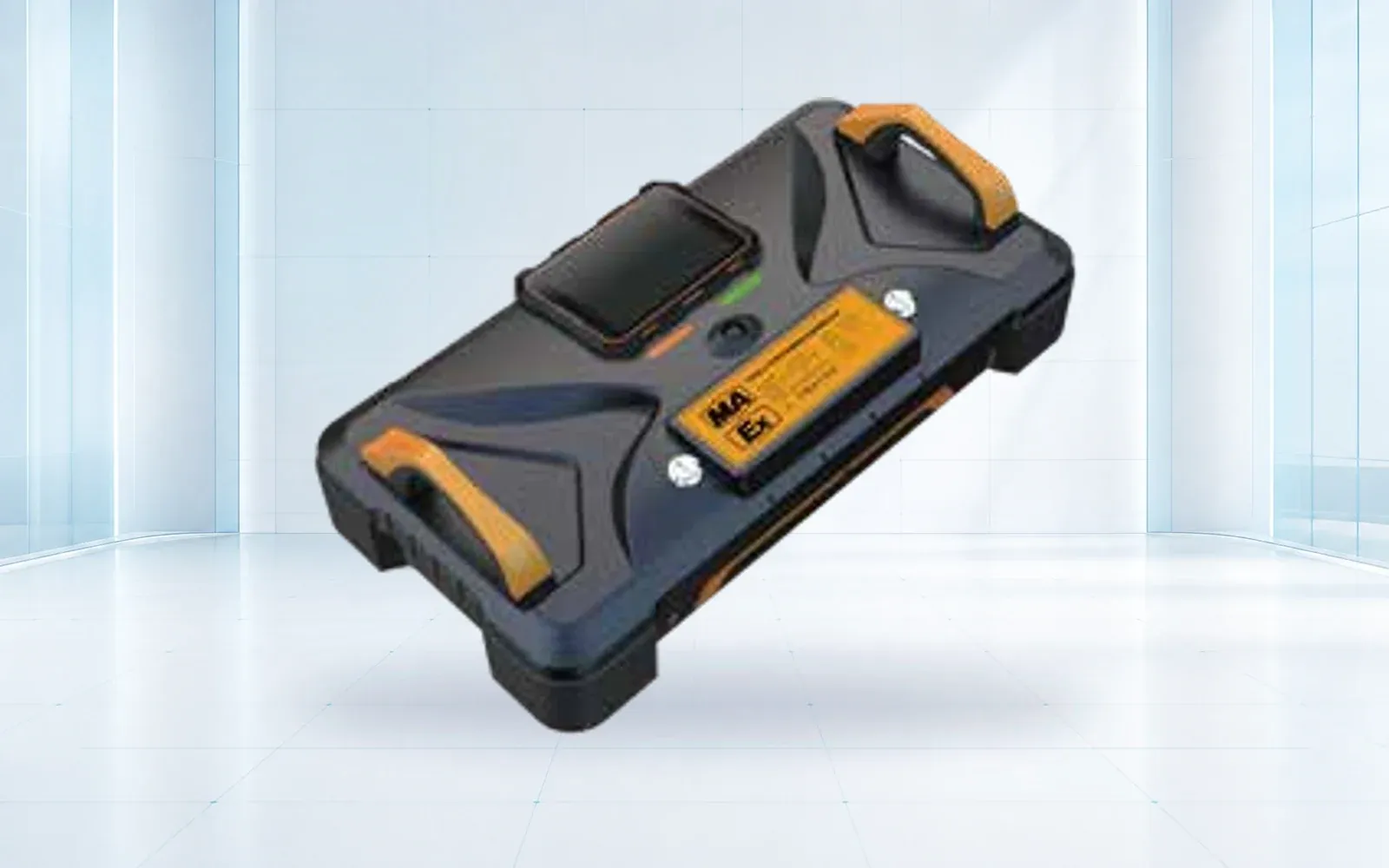
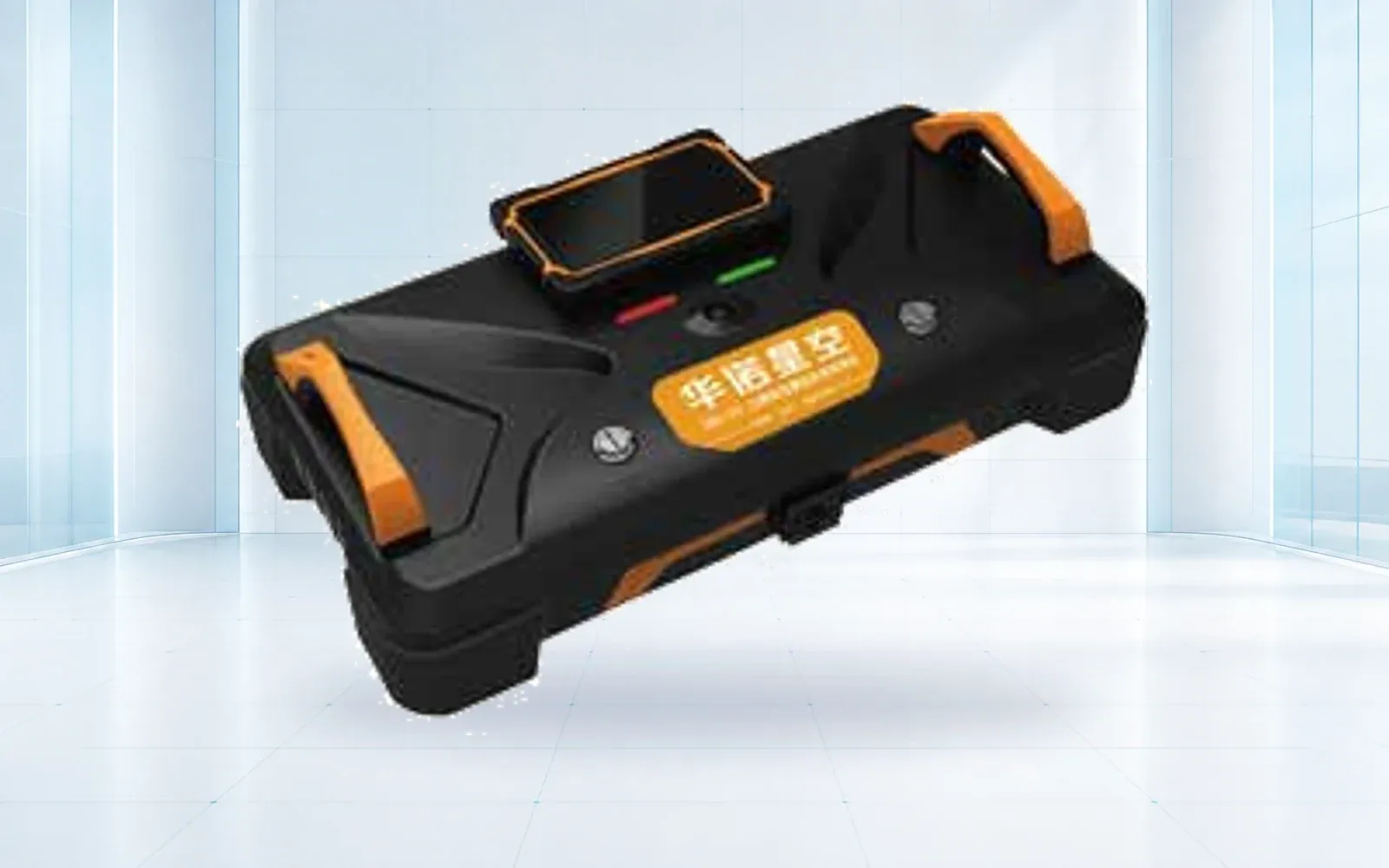
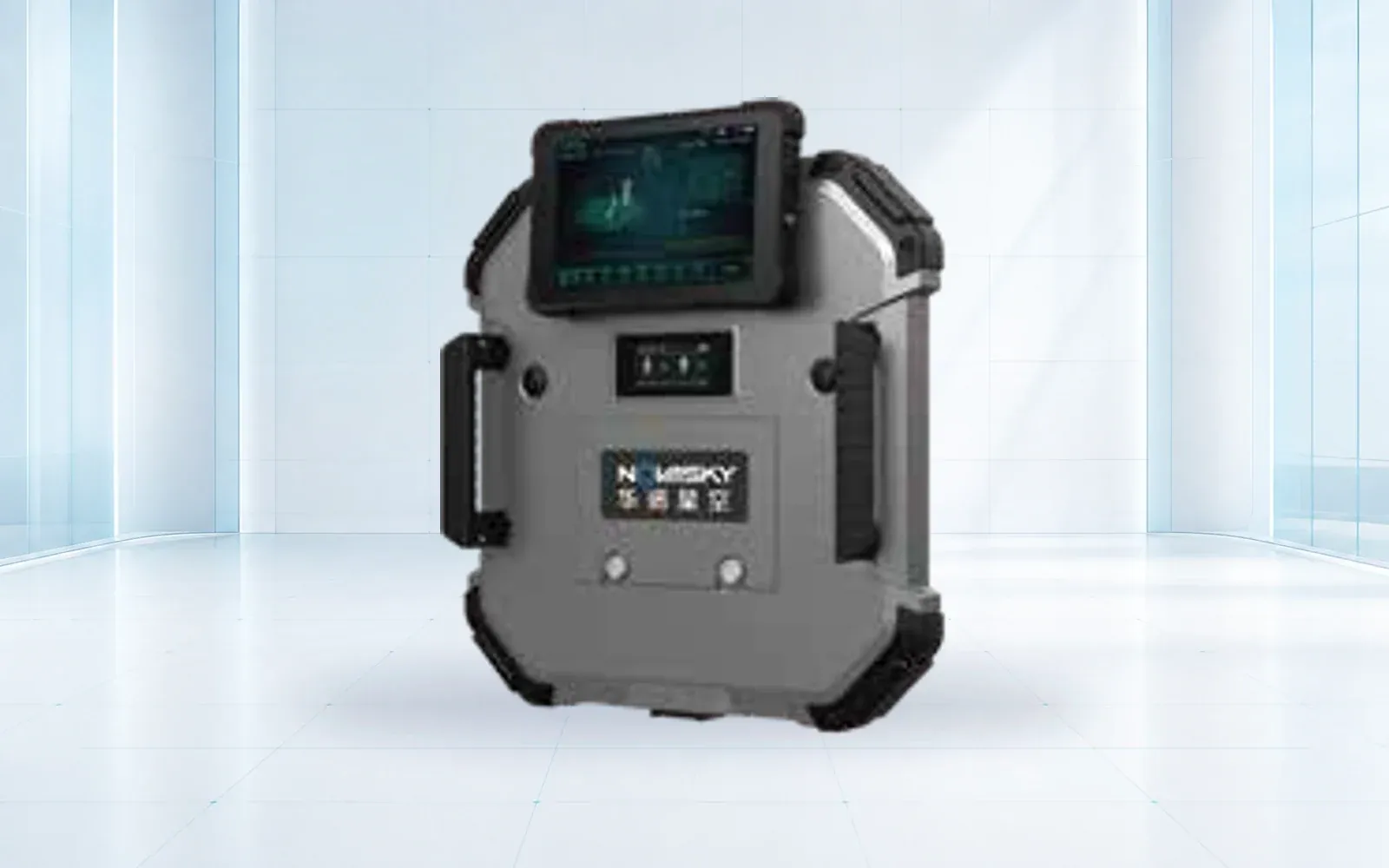
Review the CEM100 handheld radar and CEM400 3D system as exact configurations to train and qualify. The life-detection category, public-safety solution, and resource center support curriculum and record control.
7. FAQs
What should a through-wall radar operator learn first?
Begin with authorized use, sensor output and limits, barrier effects, scene control, setup geometry, baseline and repeat-scan procedure, confidence language, marking, corroboration, and stop conditions.
Can classroom training qualify a through-wall radar operator?
Classroom instruction is useful, but competency should include hands-on, blinded, no-target, ambiguous, artifact, failure, communication, and evidence exercises in representative environments.
How often should through-wall radar operators retrain?
Set intervals and triggers from agency policy, skill decay, use frequency, incidents, after-action findings, software or hardware changes, new barriers, procedure changes, and failed proficiency checks.