A counter-UAS procurement should begin with protected zones, target classes, decision time, and legal authority—not a bundled product name. Radar, RF, EO/IR, command software, and any mitigation equipment must each own a measurable role, with handoffs that can be tested at the real site.
Table of Contents
Define the Protected Decision Zones
Counter-UAS range matters because it creates time for a decision. Divide the site into early-awareness, verified-track and consequence zones, then state what operators must know and may do in each one.
The threat definition should include aircraft size, speed, altitude, autonomy, radio behavior, navigation mode, swarm or single-target activity and likely approach paths. It should also identify non-targets such as birds, authorized aircraft and nearby drone operations.
| Zone | Required decision | Evidence | Typical response |
|---|---|---|---|
| Awareness | Is an object or drone signal approaching? | Radar or RF observation with uncertainty | Monitor or cue another sensor |
| Verification | Is it a drone and is it authorized? | Correlated track, Remote ID/RF and EO/IR context | Notify, dispatch or escalate |
| Consequence | Is there a credible threat to the protected asset? | Sustained track, behavior and authority record | Authorized protective action |
This structure prevents a maximum-range detection from being mistaken for identification or legal grounds to act.
Give Every Component One Primary Role
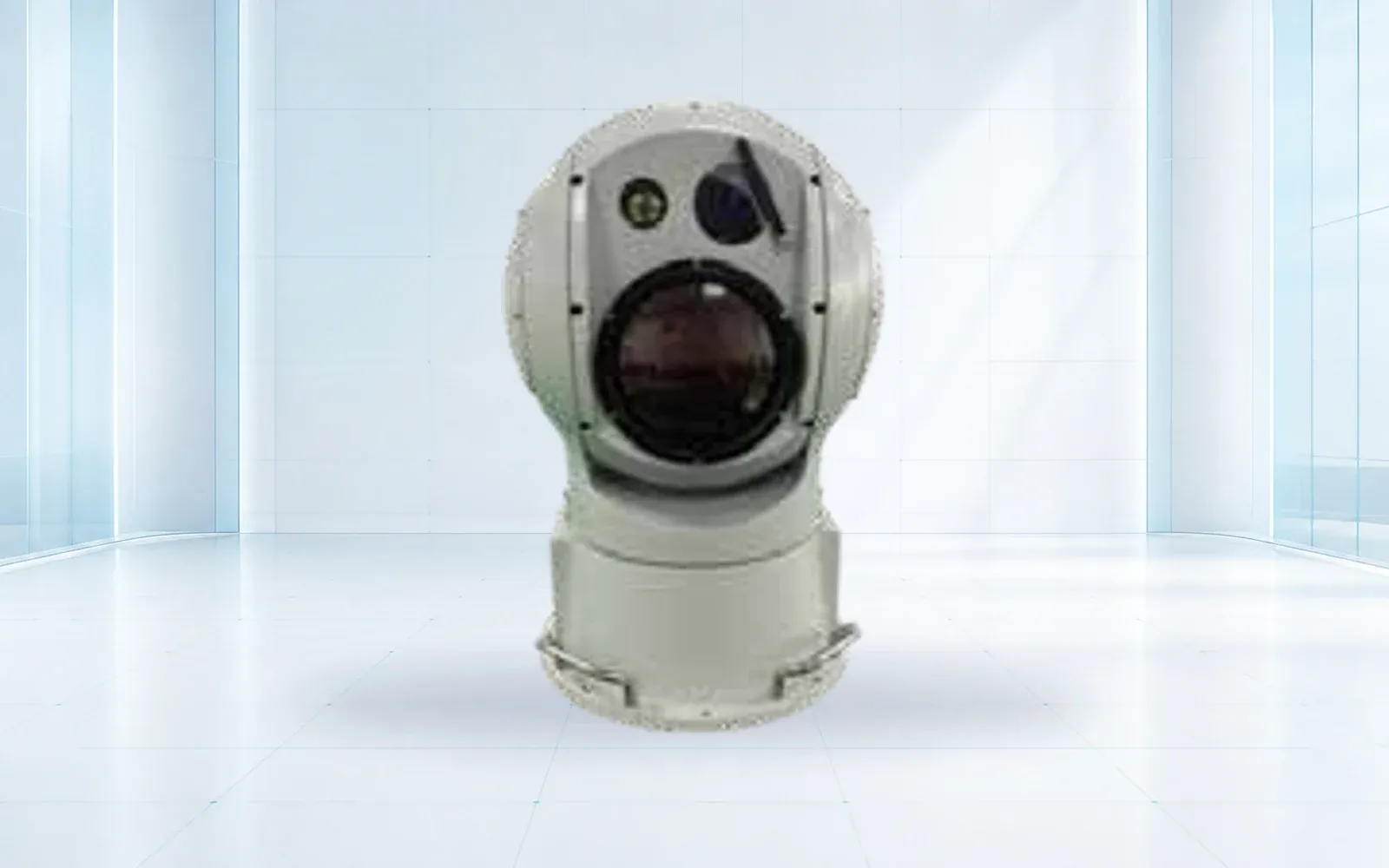
Radar observes motion and can track aircraft that emit no control signal. RF systems observe compatible transmissions and may identify protocol or controller direction. EO/IR provides visual context after cueing. The command platform aligns these observations and records the operator decision. Effectors transmit or apply force and therefore sit under a different legal and safety regime.
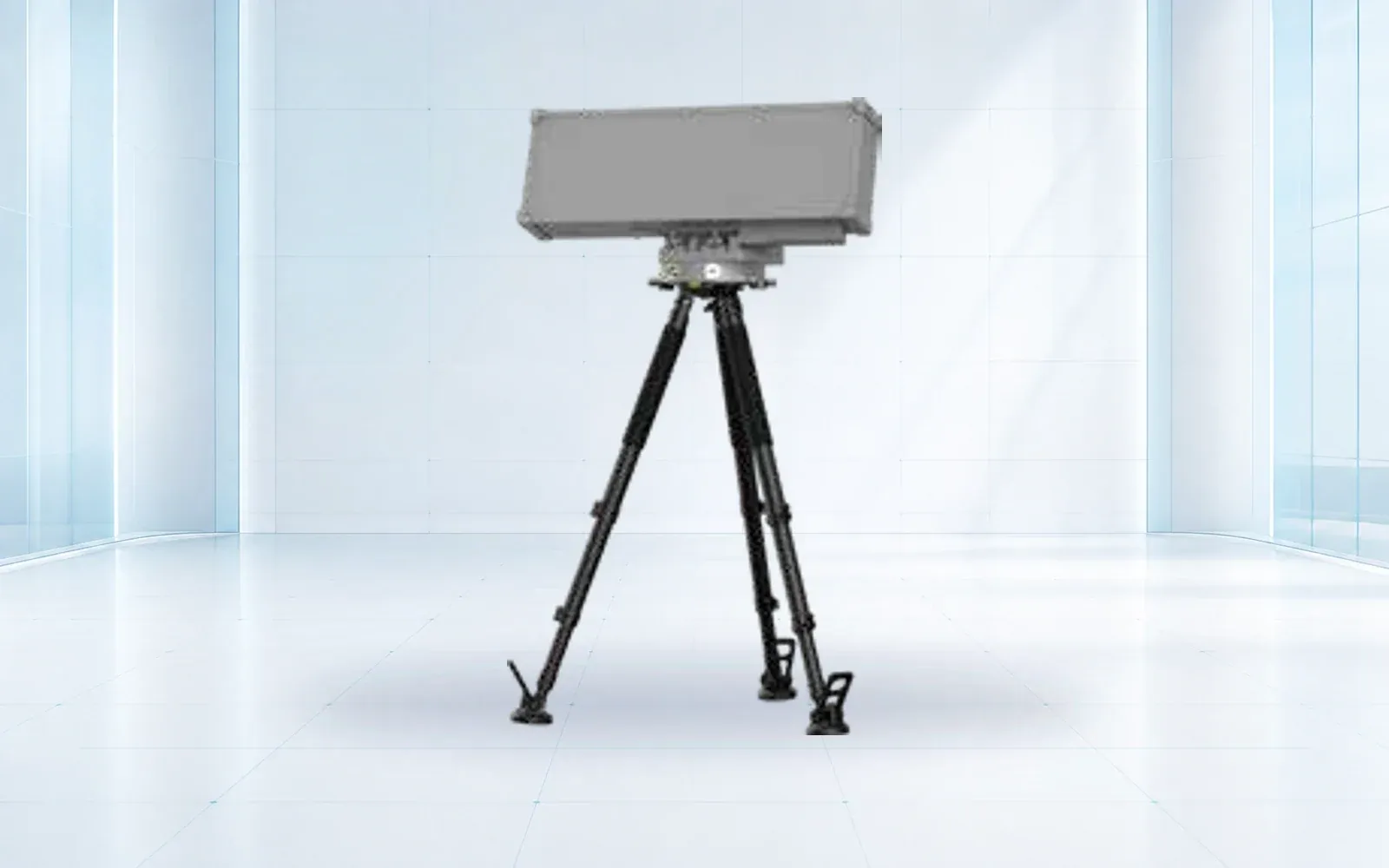
The drone detection technology comparison examines individual sensor failure modes. At the system level, procurement should focus on how the NI-R5000 radar, an RF layer and EO tracking exchange track identity, time and coordinates.
Do not require every modality at every site. Add a component only when it closes a documented target or evidence gap.
Survey Geometry and Spectrum
Map rooflines, trees, cranes, terrain, water, moving machinery and public approaches from each proposed sensor position. Record nearby radio activity and lawful drone operations. A site with strong RF congestion may need different classification and antenna placement; a site with blocked horizons may need distributed radar or relocated sensors.

The survey deliverable should include coverage assumptions and excluded areas. Where aviation, telecommunications or facility safety systems may be affected, coordinate before installation and testing.
Legal Authority Shapes the Architecture
Detection, interception of communications, location, seizure, jamming, spoofing and physical mitigation are not one legal category. Authority varies by country, agency, site, technology and operator.
U.S. buyers should use current agency sources. The FAA detection and mitigation guidance warns airports about operational and legal considerations. For qualifying U.S. law-enforcement agencies, the July 2026 DHS/DOJ SAFER SKIES rule sets certification, authorized-technology, coordination, privacy and reporting conditions.
Write the authority matrix before adding an effecter to the bill of materials. Software should enforce roles and preserve approvals rather than rely on an informal operator understanding.
Specify the Command and Evidence Layer
Require one event identifier, synchronized time, original sensor records, track history, operator actions, configuration versions and an export that can be reviewed outside the live console. Alarm rules should be versioned and tied to zones and authorized activity.
Test cueing latency and identity continuity: a radar track that opens the wrong camera or becomes a new incident at every handoff is not integrated. During a network outage, the system should expose lost coverage and preserve local data where designed.
The platform should also distinguish sensor confidence from threat assessment. Measurements can support an assessment; they should not be overwritten by it.
Use the counter-drone lifecycle cost model to price installation, integration, operators, testing, and refresh. Where the concept requires mobile RF awareness, the portable detector buyer guide adds carrying, battery, logging, and blind-trial requirements.
Budget by Capability and Lifecycle
Compare architectures by accepted coverage and workflow, not hardware count. Include survey, mounts, power, network, integration, software, storage, training, recurrent authorization, exercises, spares, maintenance and technology refresh.
A phased program is sensible when each phase has value. Detection and evidence can operate before an authorized mitigation capability, provided known gaps are recorded. Avoid a low-cost first phase that cannot integrate with the later architecture.
Use payment milestones for the coverage map, sensor tests, cross-cueing, evidence export, operator workflow and observation period. The critical-infrastructure protection solution provides a system context for these deliverables.
Acceptance Under Real Operating Conditions
Test defined drone classes and profiles where lawful, including hover, low approach, autonomous or non-emitting behavior, and authorized-drone discrimination. Measure probability of detection, nuisance alarms per operating time, track continuity, verification rate, cue time and operator workload.
Run device failure, clock drift, network interruption and restart scenarios. Keep the system under observation long enough to encounter routine birds, vehicles, weather and radio activity. Final acceptance should state what the site can and cannot detect and what response remains authorized.
Use the counter-UAS portfolio and resource library to prepare a component and evidence matrix. For a site-specific architecture review, contact OMNI UXV with the threat classes, protected zones and authority boundary.
FAQs
Should a private facility buy active drone-mitigation equipment?
Only after qualified legal and spectrum review confirms who may possess, test, and operate the exact capability. In many jurisdictions private operators can deploy awareness and evidence systems but cannot lawfully jam, spoof, seize, or damage aircraft.
What is the most important counter-UAS site-survey output?
A target-specific coverage and response map showing obstructions, spectrum conditions, sensor positions, protected zones, decision times, nuisance sources, communications, and the authorized action at each stage.
How should a counter-UAS command platform be accepted?
Test track correlation, camera cueing, common time, operator roles, alarm rules, evidence export, audit logs, device failure, network loss, recovery, and the workflow used to notify or dispatch the authorized responder.
Can a counter-UAS acceptance test be completed in one demonstration day?
A demonstration can confirm basic functions but cannot characterize nuisance alarms, weather, spectrum variation, operator workload, or system availability. Final acceptance should include representative target flights and a longer observation period.