A portable drone detector should be selected around the operator’s decision, movement, observable signals, evidence needs, and response workflow. A successful vendor demonstration does not prove that a handheld or backpack system will detect every relevant drone in the buyer’s RF and terrain environment.
Table of Contents
Define the Operator Decision
Decide who carries the system, where they move, what event triggers an alert, and what happens next. A patrol officer at a temporary event, a correctional perimeter team, a convoy, and a critical-site response unit have different setup time, display, evidence, communications, and handoff needs.
Write the operational question: detect a possible drone, identify a supported transmission, estimate bearing, find the controller where legally and technically supported, build an incident record, or cue another sensor. Do not combine these into one “detection range” requirement.
Map patrol routes, observation points, terrain, buildings, RF congestion, weather, battery duration, communications gaps, and safe operating posture. Portable equipment trades permanent coverage for flexibility; the concept must explain where the operator will be when an event occurs.
Understand What the Device Can Observe
RF detectors observe emissions. Performance changes with protocol, frequency, waveform, antenna, target and controller behavior, line of sight, interference, and the detector’s library or classification method. An autonomous or non-emitting aircraft may not present the expected control link.
Remote ID is a distinct observable. The FAA explains the U.S. Remote ID framework, including standard broadcasts, modules, and recognized operating areas. A Remote ID receiver can support awareness of compliant broadcasts; it does not make every aircraft visible or determine hostile intent.
Radar, optical, infrared, and acoustic sensors observe different signatures and may be used to corroborate an RF alert. A portable RF unit should state its blind conditions and cueing role rather than implying that protocol recognition is a complete air picture.
| Portable form | Operational strength | Main trade | Acceptance emphasis |
|---|---|---|---|
| Handheld | Fast issue, direct operator use, light movement | Smaller battery/display/antenna and operator workload | One-hand workflow, alert clarity and patrol endurance |
| Backpack | More power, antenna area and integrated processing | Weight, setup, heat and movement burden | Don/doff, sustained patrol, redeployment and team roles |
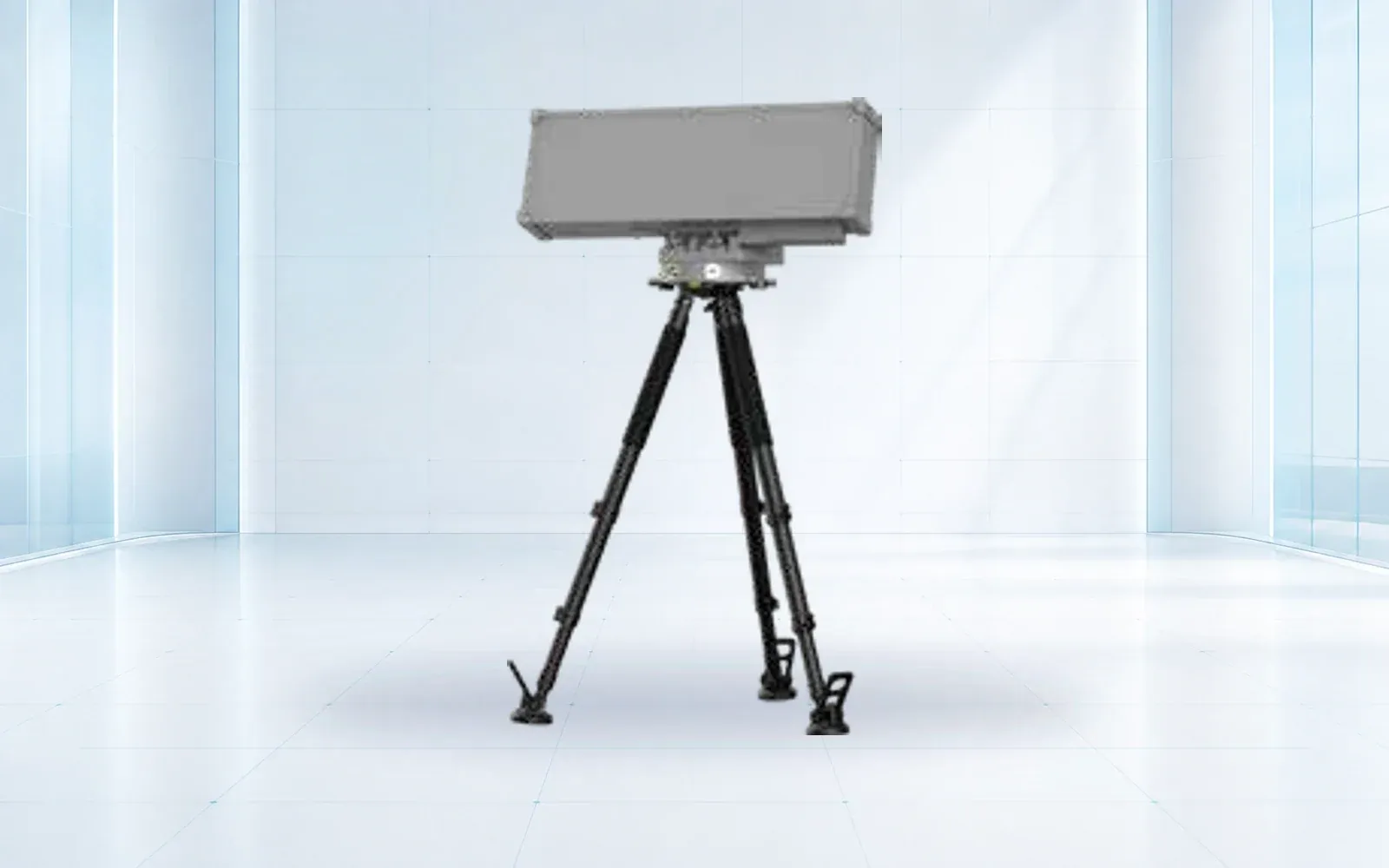
| Portable case/tripod | Stable temporary post and network interfaces | Slower movement and site setup | Setup time, mast/antenna geometry and remote monitoring |
| Vehicle-supported kit | Power, communications and wider accessory set | Vehicle masking, access and dependency | Coverage while moving/stopped and antenna placement |
Choose Handheld, Backpack, or Deployable Form
Test the real carrying system with body armor, seasonal clothing, radios, weapons or other issued equipment where applicable. Measure total mass, balance, heat, controls, screen visibility, glove use, rain protection, audio/haptic alerts, and the ability to move safely while interpreting an event.
Specify cold start, warm start, self-test, antenna setup, library loading, time to first alert, battery change, export, and pack-up. A device that starts quickly on a bench may require additional network, clock, or antenna steps in the field.
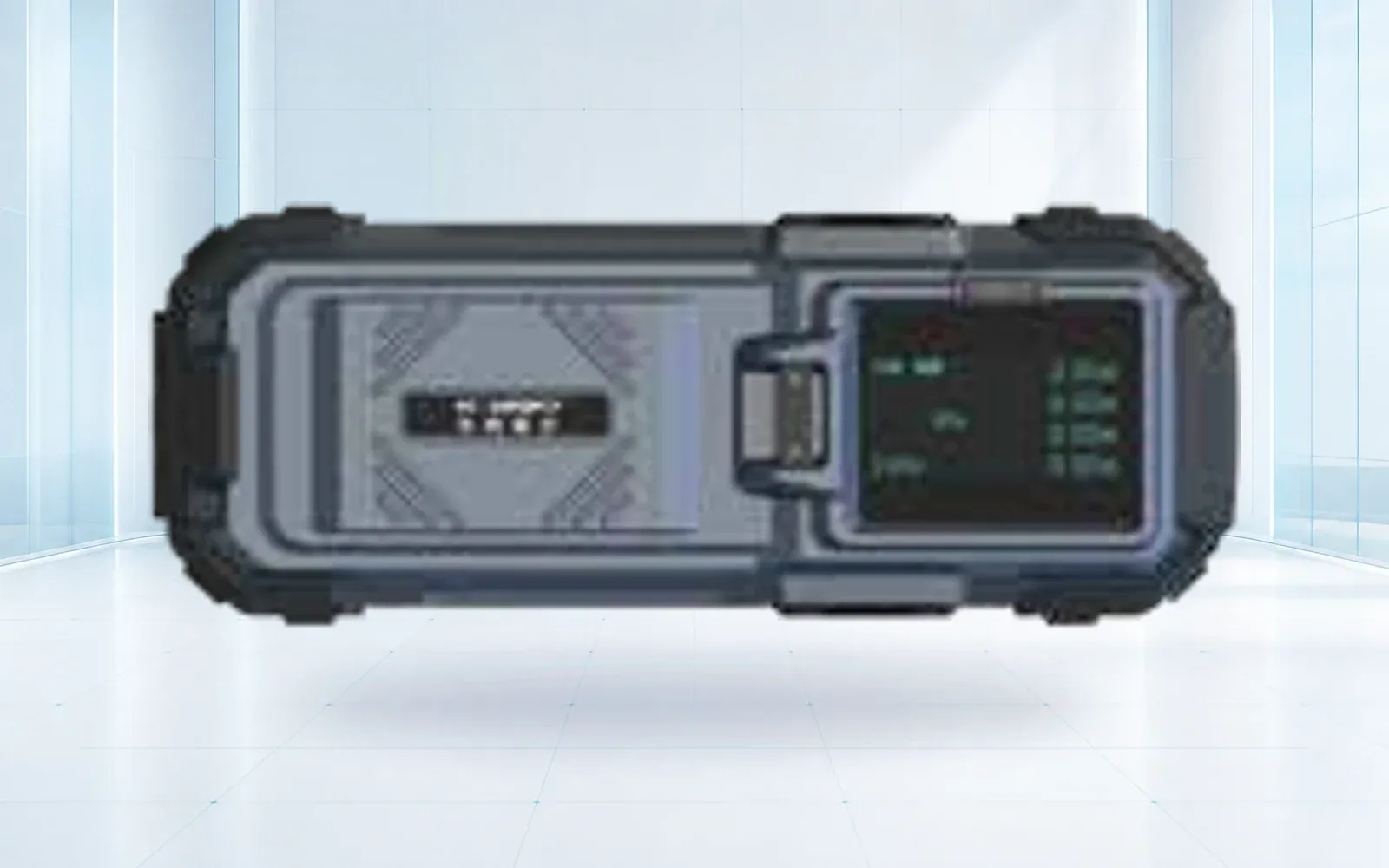
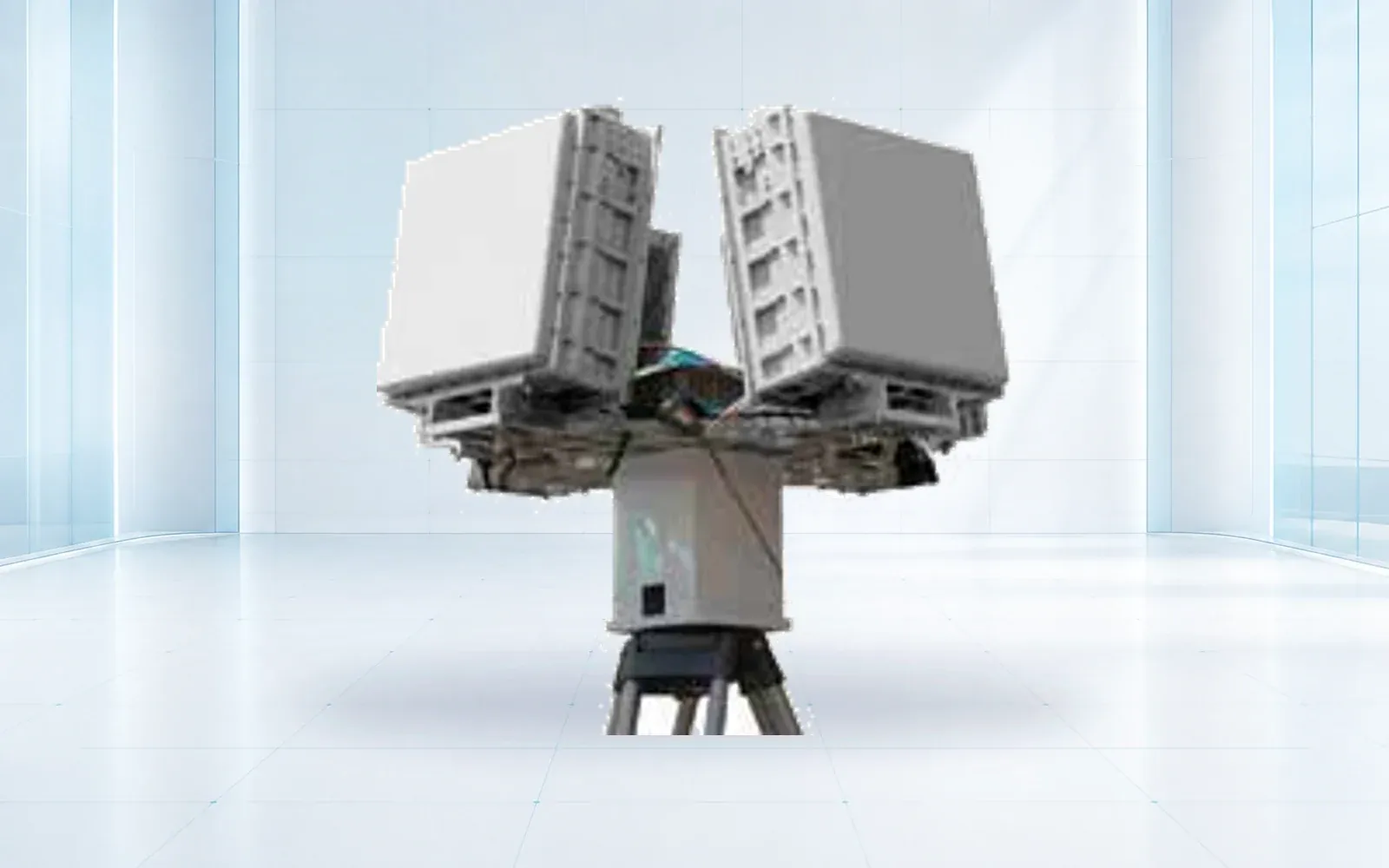
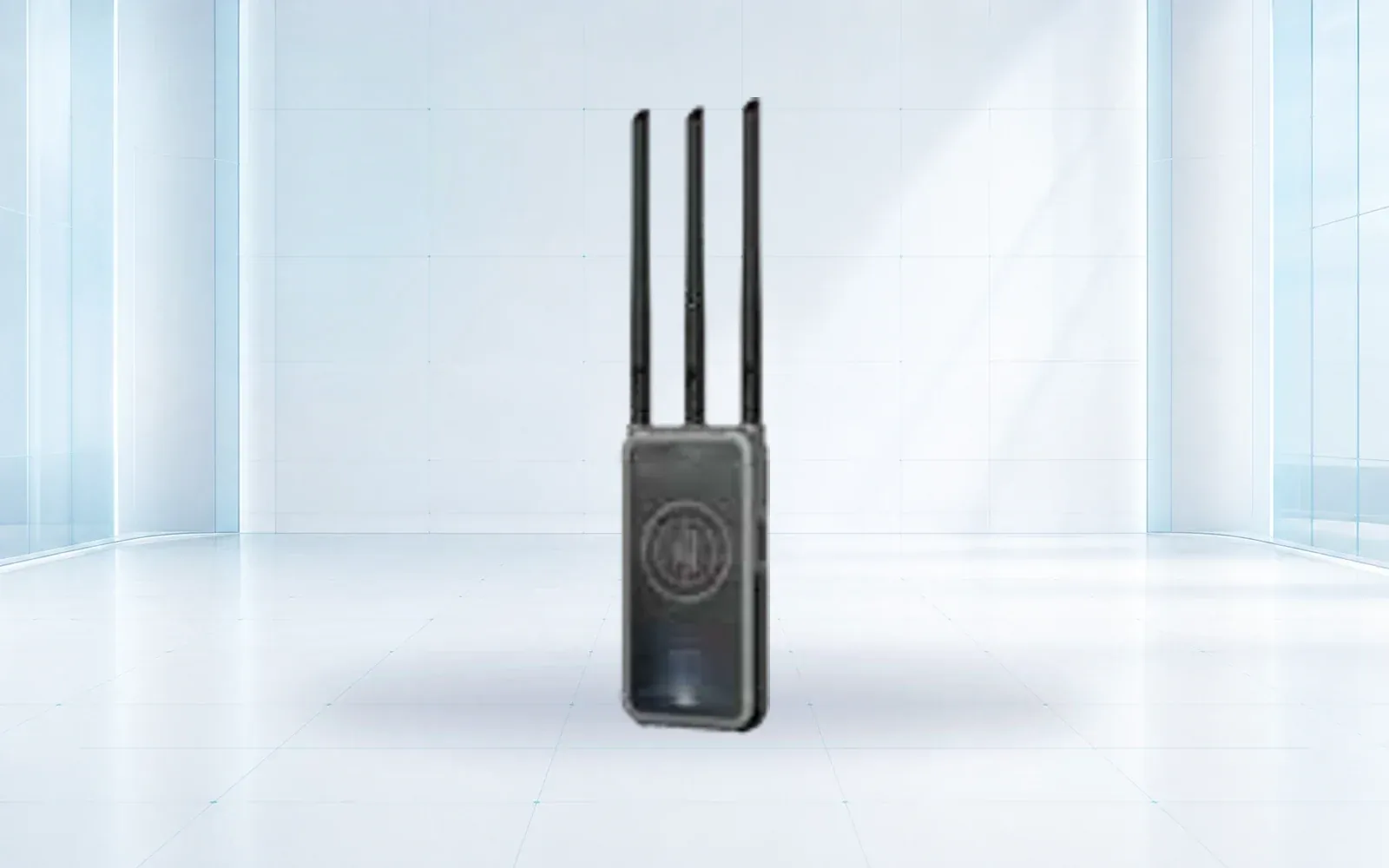
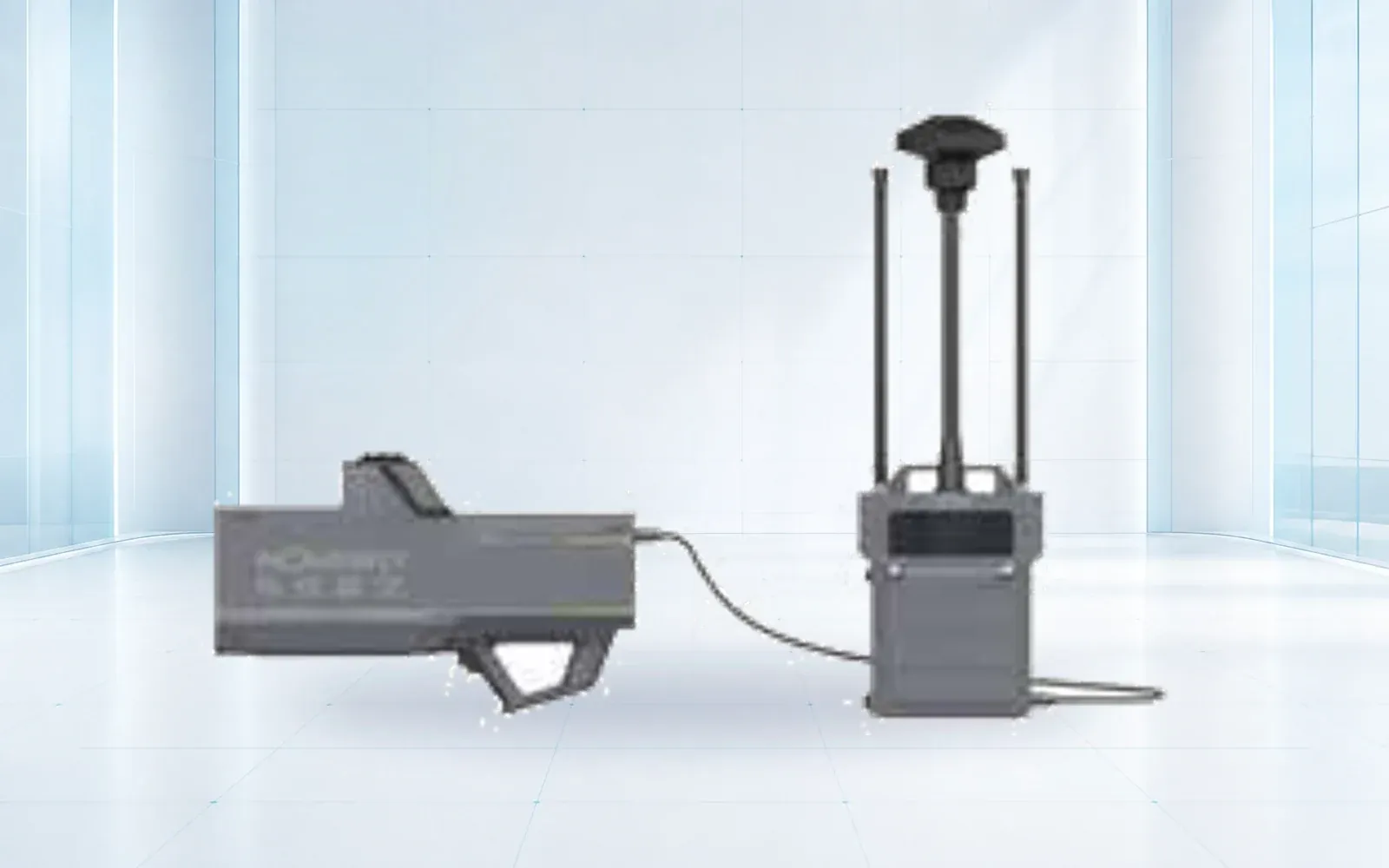
The NI-S2000H handheld locator and NI-SJG2000B backpack system illustrate two deployment forms. Select only after checking verified observable coverage, legal use, operator burden, logging, and blind-trial performance.
Specify Field Usability and Endurance
Battery claims should include display brightness, processing, networking, temperature, alert activity, and aged packs. Price enough batteries and chargers for the duty cycle, transport and storage rules, health checks, and replacement. Require graceful low-power behavior and preserved event records.
Alerts need priority, confidence or evidence, time, observable type, location or bearing when supported, and recommended operator action. Avoid a design that forces the user to stare at a map during a safety-sensitive patrol. Test sunlight, darkness, noise, gloves, rain, and high alert volume.
Require health status for antennas, receiver, storage, clock, network, GPS, and software. An operator should be able to distinguish “no drone detected” from “the detector is degraded, masked, unsupported, or offline.”
Require Evidence, Logging, and Integration
Define the event record: time source, sensor state, observed signal or classification, confidence, frequency or protocol metadata where lawful, bearing or location and uncertainty, operator action, correlated visual evidence, export, and audit trail. Retain raw or minimally processed evidence when policy and technology permit.
For networked use, specify API, message format, map, roles, authentication, encryption, offline buffering, time synchronization, and duplicate-event handling. Portable units moving between teams need device identity, configuration control, software/library version, and chain of custody.
The RF detector field-evaluation guide covers protocol, interference, geometry, and scenario testing in more depth. Use it to build the target matrix, while this guide owns the procurement and human-workflow decision.
Check Legal, Privacy, and Response Boundaries
Detection technology can implicate communications, surveillance, aviation, privacy, and data-handling rules. The DOJ interagency advisory provides a framework for issues to examine, but buyers need current counsel for the exact sensor, captured information, operator, site, and use.
Detection does not authorize mitigation. The FAA’s current detection and mitigation page distinguishes the functions and stresses coordinated response in the airport environment. A portable product description should never be used as authority to interfere with an aircraft or radio link.
If an authorized organization is separately evaluating active mitigation, keep that work in a distinct authority and safety file. The drone jammer verification guide begins at that legal gate; it is not a feature-upgrade path for a detector purchase.
Write retention, access, sharing, redaction, public-records, evidentiary, and deletion rules before deployment. Train operators to report what the system observed, not to infer intent or identity beyond the evidence.

Run Blind Field Acceptance and Sustainment Tests
Pre-register the scorecard so the test cannot be redefined after seeing results:
| Scorecard dimension | Report by | Minimum retained evidence |
|---|---|---|
| Detection opportunity | Drone/protocol, route, geometry, distance band and background | Truth log and detector timestamps |
| Alert utility | Time, observable, confidence, class and operator action | Screen/event export plus observer record |
| Direction or location | Claimed method and uncertainty by geometry | Surveyed positions and error distribution |
| False-alert burden | Clean time, representative emitters and alerts per hour | RF/background log and disposition |
| Field readiness | Startup, battery duty, redeployment, weather and carried configuration | Timed task sheet and configuration ID |
| Evidence/integration | Export completeness, clock alignment, API and incident handoff | Reconstructable incident package |
Do not tell the detector operator exactly when, where, and what the test drone will fly. Use a controller who randomizes representative drone types, protocols, emission states, routes, altitudes, ranges, backgrounds, and clean periods within an approved safety plan. Include friendly drones and RF activity that could cause confusion.
Score detection by scenario, time to alert, classification quality, bearing or location error where claimed, track continuity, missed targets, false alerts per hour, operator decision time, record completeness, battery endurance, redeployment time, and integration success. Report unsupported and degraded conditions explicitly.
Retest after library, receiver, antenna, firmware, device, or major RF-environment changes. Portable capability ages quickly if updates, training, batteries, and exercises are not funded.
Review the counter-UAS portfolio, law-enforcement and public-safety solution, and technical resources, then contact OMNI UXV with the patrol concept, target matrix, legal boundary, duty cycle, and blind-test plan.
FAQs
Can a portable drone detector detect every drone?
No. RF-based devices depend on observable transmissions, supported protocols, geometry, interference, and system sensitivity; Remote ID receivers see compliant broadcasts; other sensors have their own target and environmental limits.
Can a phone be used as a reliable drone detector?
A phone may receive some Remote ID or network information with suitable hardware and software, but it is not a universal detector and should not be assumed to provide the range, protocol coverage, evidence, or rugged workflow of a validated system.
Should a buyer choose handheld or backpack equipment?
Handheld units favor rapid, light deployment; backpack systems can support larger antennas, batteries, processing, and integrated functions. Test the actual carrying, setup, alert, logging, and redeployment workflow.
How should a portable detector be accepted?
Use blind trials with representative drones, controllers, routes, emissions, clutter, clean periods, operator movement, battery duration, and event handoff, then score scenario-level detection and false alerts.