A counter-drone system price is meaningful only after the protected outcome, site geometry, detection and response authority, sensor layers, integration, acceptance targets, staffing, and lifecycle support are defined. A hardware subtotal rarely represents the operational cost.
Table of Contents
- Define the Protected Outcome and Operating Concept
- Separate Detection, Identification, and Mitigation Scope
- Build the Installed Sensor and Infrastructure Budget
- Price Integration and Daily Operations
- Add Legal, Spectrum, Aviation, and Privacy Work
- Normalize Quotes to One Commercial Basis
- Validate Cost and Capability Together
- FAQs
Define the Protected Outcome and Operating Concept
Start with the asset, event, airspace, consequence, and response decision. A prison, energy facility, airport, temporary event, border area, and mobile public-safety team do not need the same coverage, target set, retention, authority, or operating tempo. Draw the protected zones, approach sectors, nuisance sources, blind areas, operator locations, and handoff agencies.
State what the system must enable: awareness, track continuity, visual confirmation, incident logging, dispatch, airspace coordination, or an authorized mitigation decision. A “detect all drones at maximum range” requirement is not measurable across target size, altitude, speed, emission behavior, clutter, terrain, and weather.
Define target and scenario classes without promising intent classification. The FAA notes in its airport detection and mitigation guidance that detection systems do not determine intent or threat level. Human procedures and corroborating information remain part of the decision chain.
Separate Detection, Identification, and Mitigation Scope
Detection may combine radar, radio-frequency sensing, Remote ID awareness, optical or infrared confirmation, and sometimes acoustic sensing. Each layer observes a different physical signal and fails differently. Price coverage by scenario and geometry, not by adding nominal ranges.
Mitigation is a separate legal and technical workstream. In the United States, current authority depends on the entity, facility, training/certification, technology, and governing law. The DOJ UAS policy hub reflects 2026 changes for qualified state, local, tribal, and territorial law-enforcement programs; it is not blanket authorization for every agency or site.
Keep detection-only, response integration, and authorized mitigation as separate cost lines and contract options. This makes legal review visible and prevents an unauthorized feature from being treated as an ordinary accessory.
| Cost package | Main drivers | Evidence before pricing |
|---|---|---|
| Passive awareness | RF/Remote ID environment, protocols, antenna sites | Recorded target set and blind-condition statement |
| Active detection | Radar coverage, clutter, elevation, target RCS and track rule | Site model and scenario-level detection test |
| Confirmation | EO/IR range, cue accuracy, light/weather and background | Image criteria and handoff latency |
| Command integration | Interfaces, maps, identity, alarms, retention and roles | API/ICD, cybersecurity and workflow test |
| Authorized mitigation | Legal authority, approved effect, collateral risk and coordination | Written authority and controlled test approval |
Build the Installed Sensor and Infrastructure Budget
Include sensors, mounts, towers, foundations, enclosures, power conditioning, backup power, network, fiber or radio links, lightning protection, environmental control, site surveys, permits, installation, commissioning, and restoration. Rooftop and tower access, cable routing, grounding, and maintenance reach can dominate a “small” installation.
Coverage may require more than one sensor or location. Terrain, structures, trees, moving machinery, weather, RF congestion, and the need to see low approaches change the design. Price alternate geometries before procurement so a single nominal-range circle does not become an expensive field redesign.
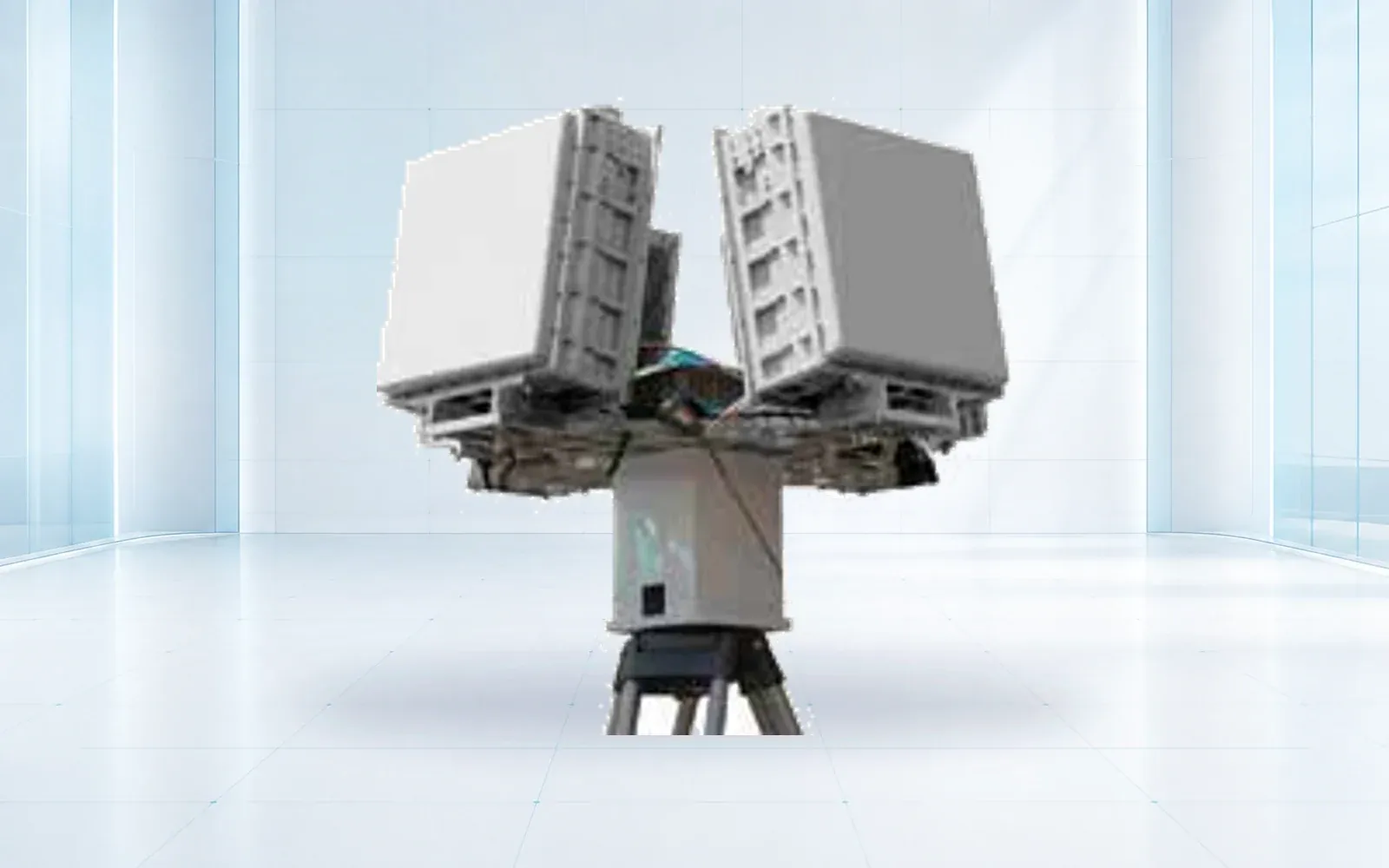
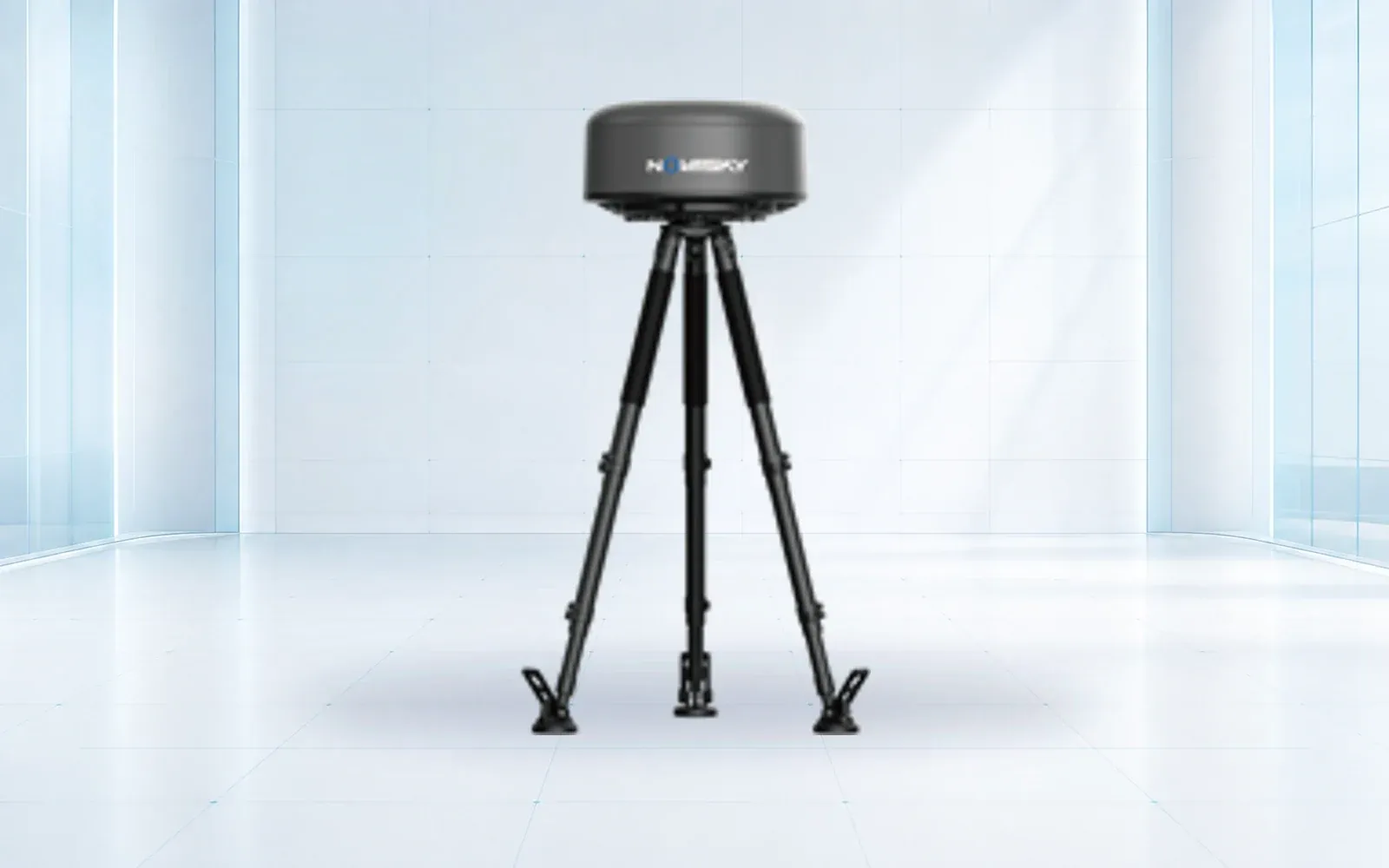
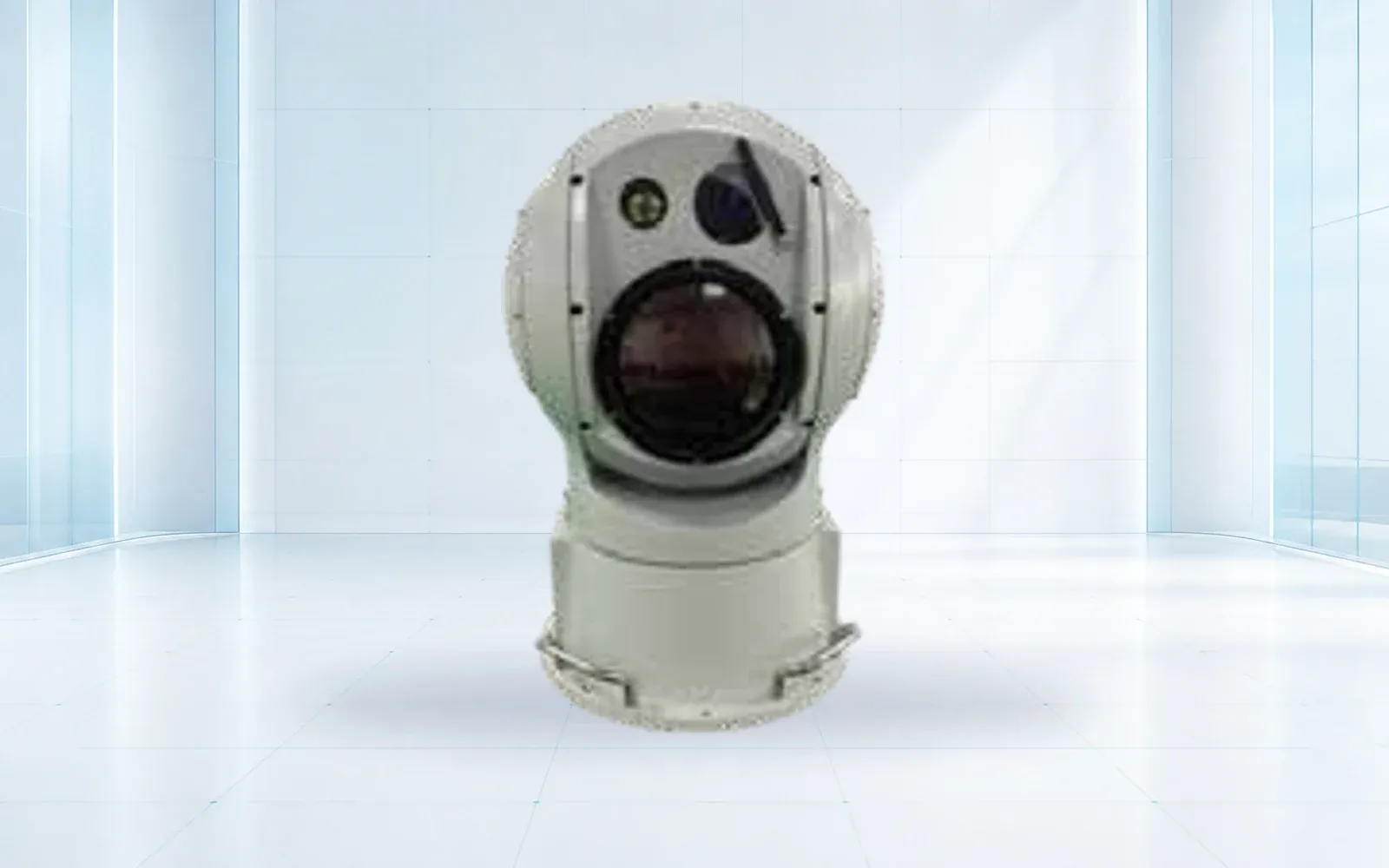
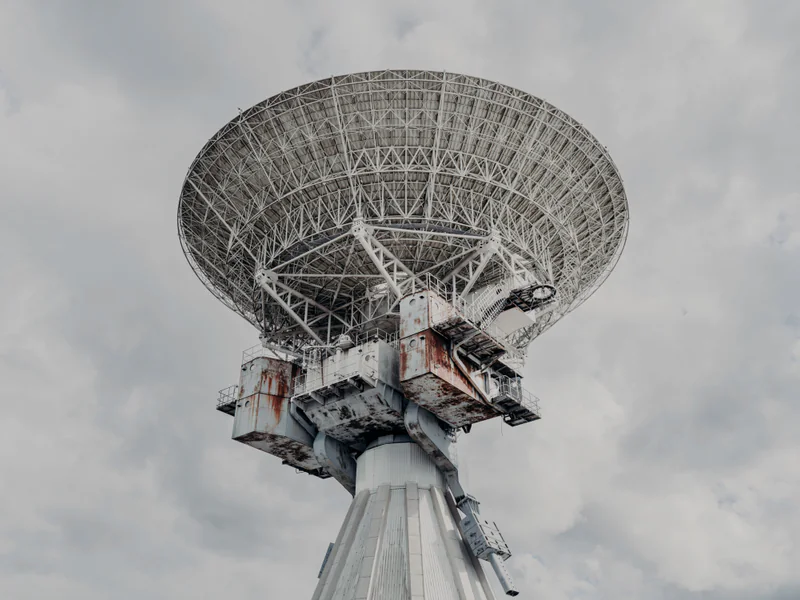
The NI-R5000+ radar, NI-S3000 RF detector, and NI-C3000 optical tracker illustrate radar, RF, and confirmation layers. Use their verified interfaces and installed performance in the actual site design; do not sum brochure ranges.
Price Integration and Daily Operations
Budget command software, maps, server or cloud infrastructure, user roles, API work, time synchronization, event records, evidence export, cybersecurity review, identity management, software licenses, and change control. Define whether the buyer, integrator, or sensor vendor resolves interface failures after an update.
Operational cost includes coverage hours, staffing, training, exercises, alert review, escalation, maintenance, health monitoring, data retention, reporting, false-alert analysis, and liaison with security, aviation, law enforcement, and communications teams. A system that operators mute or cannot interpret has little protection value.
Model alert workload with representative nuisance activity. A low unit price can be overwhelmed by recurring analyst labor or unnecessary dispatch. Include a tuning and governance period after commissioning, with controlled changes and regression tests.
Add Legal, Spectrum, Aviation, and Privacy Work
The interagency legal advisory explains that some detection and mitigation technologies may implicate aviation, communications, surveillance, and criminal laws. Although authorities have evolved since the advisory, buyers still need current counsel for the exact technology, data, site, operator, and action.
At airports, FAA coordination addresses safety, electromagnetic interference, airspace review, response procedures, and return to normal operations. Elsewhere, similar discipline is useful even when the formal path differs. Budget site and agency coordination as project work with deliverables and owners.
Privacy and civil-liberty controls affect RF data, identifiers, imagery, retention, access, sharing, and audit. Include policy design, documentation, training, and review. A legal opinion or operating authority should be configuration- and use-specific, not a generic vendor letter.
Normalize Quotes to One Commercial Basis
Give bidders the same site model, operating concept, target/scenario matrix, coverage probability definition, interfaces, data policy, support period, and acceptance protocol. Require each line to be included, optional, buyer-supplied, or excluded, with assumptions.
Separate non-recurring engineering, hardware, installation, licenses, service, training, spares, test equipment, target operations, travel, taxes, and renewal. Identify end-of-life and refresh assumptions for fast-changing drone protocols and tactics. Price retesting after material updates.
The counter-UAS systems selection guide explains layer choice. Use it before this cost model; otherwise procurement may optimize a price before deciding which observable and response path the site needs.
Validate Cost and Capability Together
Use factory tests for configuration, interfaces, records, health monitoring, and controlled functions. Use site acceptance across representative target types, routes, altitudes, speeds, emissions, backgrounds, clutter, day/night, and weather within the intended envelope. Include clean periods and nuisance sources.
Score scenario detection and track continuity, cue/confirmation success, location error, latency, alert workload, logging, operator decision time, response handoff, availability, and recovery. For any mitigation test, require written authority, approved procedures, spectrum and aviation coordination, boundaries, aborts, and collateral monitoring before operation.
Translate measured staffing, maintenance, tuning, and retest needs back into the lifecycle budget. To prepare a site-specific estimate, review the counter-UAS portfolio, critical infrastructure solution, and technical resources, then contact OMNI UXV with the site model, target matrix, authority boundary, interfaces, and acceptance scenarios.
FAQs
How much does a counter-drone system cost?
There is no defensible universal price. Coverage, clutter, target set, sensor layers, installation, command integration, testing, authority, staffing, support, and refresh cycles determine the delivered lifecycle cost.
Is a detection-only system less expensive than a mitigation system?
It can have fewer technical and authorization costs, but detection still requires site work, integration, trained operators, validation, response procedures, records, and ongoing tuning.
Which counter-UAS costs are commonly omitted?
Common omissions include towers and civil work, power and network, command-platform integration, legal review, spectrum or aviation coordination, test targets, operator staffing, false-alert analysis, software support, spares, and capability refresh.
How should vendor quotes be compared?
Use one site model, target and scenario set, coverage definition, interfaces, legal assumptions, service period, acceptance protocol, and lifecycle horizon, then separate compliant capability from optional or roadmap features.