Radar, RF, Remote ID, EO/IR, and acoustic sensors do not detect the same property of a drone. They observe motion, transmissions, cooperative broadcasts, imagery, or sound; the best comparison therefore starts with which target states each modality can observe and how the site will verify a detection.
Table of Contents
Compare the Observable Signal
| Modality | Observes | Strongest contribution | Blind spot or ambiguity |
|---|---|---|---|
| Radar | Reflected radio energy and motion | Non-cooperative aircraft tracking | Birds, clutter, multipath and small-target classification |
| RF detection | Control, telemetry or video transmissions | Protocol clues and possible controller direction | Autonomous or unsupported links, spectrum congestion |
| Remote ID receiver | Required cooperative broadcast | Rapid identification of participating aircraft | Missing, invalid or deliberately absent broadcast |
| EO/IR | Visible or thermal image | Visual classification and evidence | Line of sight, weather, background and small pixel count |
| Acoustic array | Propeller and motor sound | Local confirmation without relying on RF emission | Wind, machinery, traffic and short practical range |
No row can be declared “best” without the target and environment. Radar covers RF-silent flight but does not inherently identify a pilot. RF can associate a recognized transmission quickly but observes nothing when that transmission is absent. Acoustic is independent of RF emission, yet shares a different weakness: environmental noise.
Radar: Persistent Tracks With Clutter Work
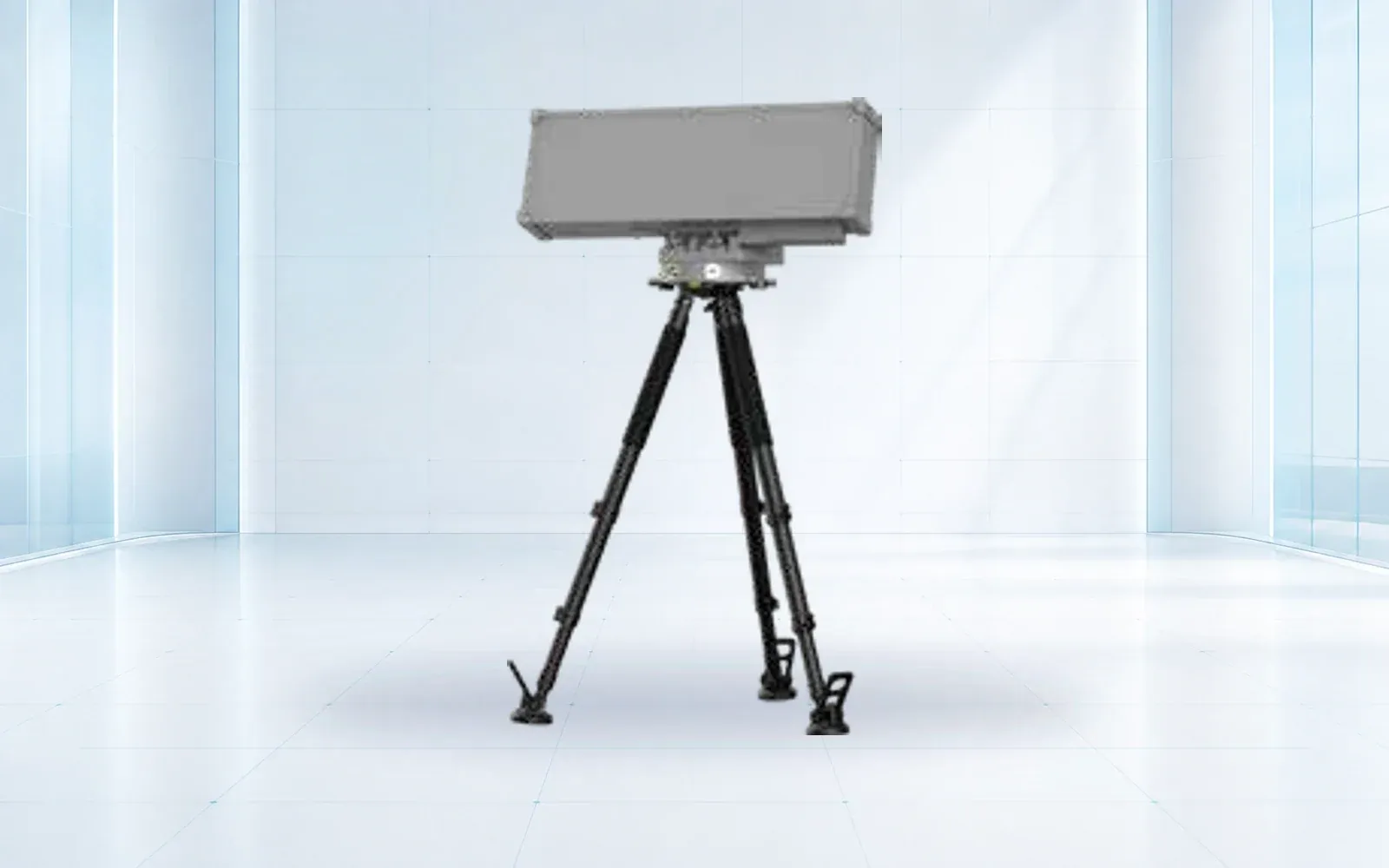
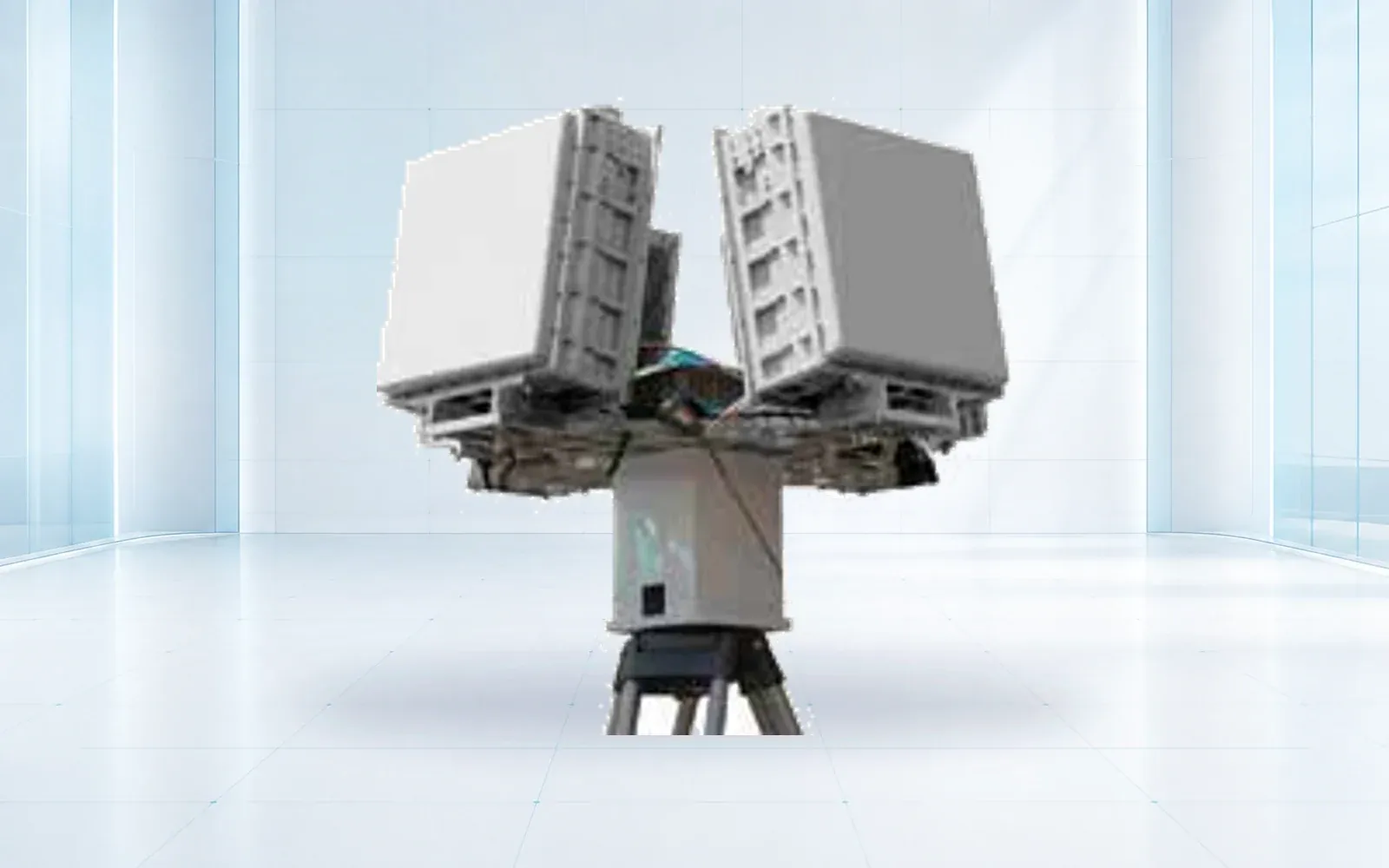
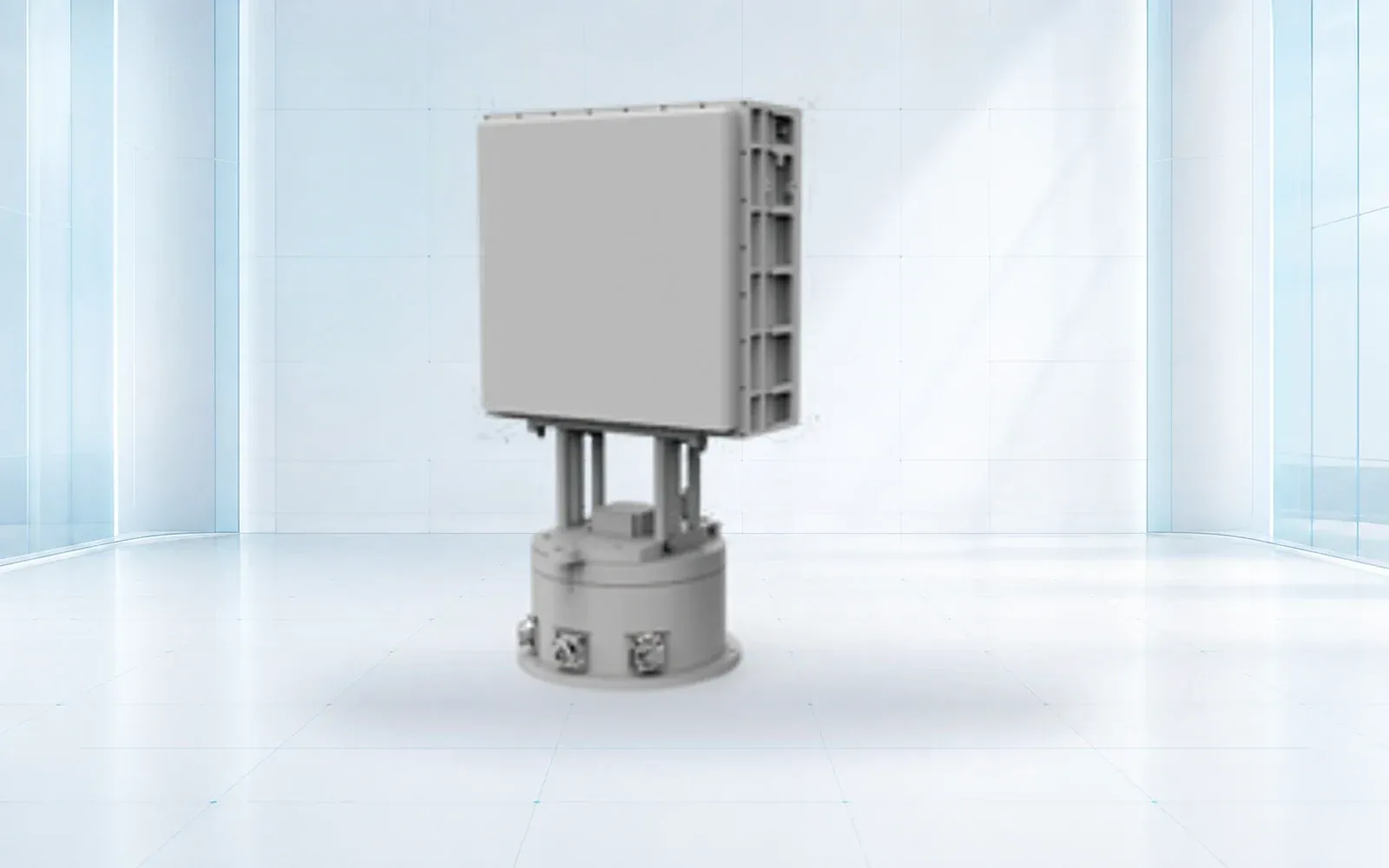
Radar measures range, velocity and angle according to its design. It can observe pre-programmed and non-emitting aircraft, which makes it the usual persistent layer for higher-consequence sites.
Small drones can resemble birds or occupy clutter near trees, buildings and ground traffic. Micro-Doppler and track behavior can improve classification, but performance remains target- and site-specific. A product such as the NI-R5000 should be tested against named aircraft classes and nuisance sources from its installed position.
Ask for initial detection, sustained track and classification separately. A momentary plot at long range is not the same as a track that reliably cues a camera.

RF and Remote ID: Rich Identity, Conditional Availability
RF detection can classify supported links, estimate bearing and in some systems infer aircraft or controller position. Remote ID provides structured information from participating aircraft. These sources can reduce the time needed to determine whether a flight is expected.
Their coverage is conditional. Frequency hopping, proprietary or unfamiliar protocols, cellular control, weak geometry and heavy ISM-band traffic affect RF results. A pre-programmed aircraft may not maintain an observable command link. Remote ID can be absent or misleading and should not be the only evidence at a protected site.
Test a representative library of authorized and unauthorized aircraft. Record missed protocols, location error, duplicate reports and how the system marks uncertain identity.
The RF drone detector field-evaluation guide expands this modality into Remote ID, protocol, spectrum and direction-finding test cases without implying that RF can observe a silent target.
EO/IR and Acoustic: Verification Near the Site
EO/IR should normally receive a cue rather than scan the entire sky at narrow field of view. Identification performance depends on focal length, target pixel size, stabilization, background, haze, rain and lighting. Thermal imaging can help at night, but warm backgrounds and weather still affect contrast.
For civil-site visual confirmation, the radar-to-camera handoff evaluation separates cue interpretation, image acquisition, reacquisition and operator evidence without extending the scope to active countermeasures.
Acoustic arrays listen for motor and propeller signatures. They can support local coverage where terrain blocks another sensor and may hear an autonomous drone, but roads, HVAC equipment, industry and wind can dominate the signal. Treat acoustic sensing as a defined close layer rather than a cheap substitute for wide-area radar.
For both modalities, request detection and false-event results from the actual acoustic and visual environment.
False Alarms and Misses Need Separate Metrics
False alarms consume operator attention; missed detections create coverage gaps. A threshold that improves one often worsens the other. Require results per operating hour and per target opportunity, broken down by modality, target class and site condition.
Test birds, authorized drones, vehicles, cranes, radio traffic, weather and day/night changes. Preserve the original sensor observations so teams can determine whether a bad alert came from the sensor, classifier, fusion logic or site configuration.
The counter-UAS architecture guide explains how these observations should hand off into command and response without turning this modality comparison into a full system design.
A Fair Comparative Trial
Define the protected volume and aircraft set, then give every sensor a representative mounting position and current configuration. Test approach, crossing, hover, departure, low-altitude masking, authorized-drone discrimination and non-emitting behavior where lawful. Use a common reference track and clock.
Report:
- probability and range of initial detection by target class;
- sustained-track and cueing performance;
- identification or protocol coverage;
- nuisance alarms by cause and operating time;
- location and timestamp error;
- health, outage and recovery behavior.
The counter-UAS product portfolio provides current modality options, while the resource library can hold the trial matrix. For a sensor comparison tied to a real site, contact OMNI UXV with the target set, geometry and verification requirement.
FAQs
Can acoustic sensors detect an autonomous RF-silent drone?
Potentially, because acoustic sensing depends on the drone's sound rather than its radio link. Practical range and classification are constrained by wind, traffic, machinery, echoes, and the target's acoustic signature, so it is usually a local supporting layer.
Does RF detection identify every drone controller?
No. Results depend on the transmitted protocol, library support, antenna geometry, signal conditions, and whether a control or video link is active. Some systems estimate direction or location; buyers should test the exact aircraft and link types in scope.
What belongs in a drone-detection range claim?
The target model or measurable class, aspect, altitude and speed, sensor mounting, environment, probability of detection, nuisance-alarm condition, and whether the number is initial detection, sustained track, classification, or visual identification.