A radar track becomes useful visual evidence only when the camera finds the same object, keeps enough detail and preserves the association for the operator. Evaluate an electro-optical tracking system as a radar-to-camera handoff, not as a standalone zoom specification. This guide covers civil-site detection and visual confirmation, not weapon control or active countermeasures.
Table of Contents
- A Radar Track Is Not Yet Visual Identification
- Specify the Cue and the Camera as One Interface
- Make uncertainty visible to the operator
- Separate Finding the Object from Obtaining Detail
- Judge Visible and Thermal Evidence by the Decision
- Test the Handoff Under Representative Conditions
- Preserve a Record the Operator Can Explain
- FAQs
A Radar Track Is Not Yet Visual Identification
Detection, tracking and identification answer different questions. A detection indicates that a sensor has observed something meeting its criteria. Tracking associates observations over time. Visual confirmation adds imagery that may help an operator understand what was observed.
The distinction matters at an industrial site. A moving radar return might correspond to a drone, a bird or another object. A camera can add useful evidence, but a distant image may still be insufficient to resolve the type confidently.
NPSA’s counter-UAS guidance places technology within a site-specific operational requirement. Its guidance for detect, track and identify requirements is a useful starting point for defining the decision that the sensing system should support.
For this article, that decision is civil-site awareness and visual review. A camera handoff does not establish hostile intent, legal authority or a basis for an automated harmful response. Active countermeasures and weapon-control functions are outside the scope.
The broader drone detection system comparison addresses sensor roles. The narrower question here is whether one sensor can hand a useful observation to another.
Specify the Cue and the Camera as One Interface
A useful cue includes more than a pair of coordinates. The receiving system needs to understand the position reference, observation time, track identity and available quality information. The project interface document should define these meanings consistently.
Check the camera mounting reference and the configured site model. A coordinate convention mismatch, stale position or installation error can leave the object outside the initial image even when both devices work independently.
Test the interface using the installed software versions. Distinguish the source observation time from the time the camera receives the cue. When a cue becomes too old for its intended use, the system should expose that limitation rather than presenting an apparently precise association.
Track identity needs continuity. If the radar creates a new identifier after losing an object, the platform should not silently join unrelated video to the old track. Record how the integration handles a lost, split or re-established track.
Make uncertainty visible to the operator
The display should distinguish a suggested camera cue from a confirmed visual association. Show when the camera is searching, has a likely match, has lost the object or cannot observe the relevant area.
Those states prevent a camera tile from implying more certainty than the evidence supports. They also make field testing easier: the team can see where the handoff failed instead of describing every failure as “poor tracking.”
Separate Finding the Object from Obtaining Detail
A wider field of view can help the camera acquire an object, while a narrower view may provide more detail once the association is established. Increasing magnification before acquisition can make a pointing error or delayed cue more consequential.
Evaluate acquisition, sustained observation and reacquisition as separate tasks. The system may find an object successfully in open sky but lose it behind a structure or against a complex background.
Define how camera availability is managed. A camera already used for another incident cannot necessarily provide a second view at the same time. The interface should show that resource constraint and preserve the unresolved cue for operator review.
Obstructions belong in the site design. Map buildings, vegetation and other limitations relevant to the intended observation areas. A maximum optical range does not remove a physical obstruction.
Judge Visible and Thermal Evidence by the Decision
Visible-light and thermal cameras provide different information. Their usefulness changes with illumination, contrast, weather, background and the particular sensor and lens configuration.
Do not use “day/night” as shorthand for guaranteed identification. A thermal image may show an object without resolving the features needed to classify it. A visible image may provide useful detail in one condition and little in another.
Write the required visual task in plain language. For example, the operator may need to distinguish an apparent small aircraft from a bird, or preserve a reviewable clip associated with the radar track. The evidence needed for those tasks differs from merely noticing a point in the image.
Specify recording quality and display conditions as well as live camera performance. Compression, resizing and export settings can remove detail that appeared on the local monitor. Test the evidence the reviewer actually receives.
Test the Handoff Under Representative Conditions
Use authorized, controlled trials within the site’s safety and aviation arrangements. Define the observation tasks, test conditions and success criteria before reviewing the results.
A useful test includes ordinary non-drone objects and unsuccessful acquisitions. Selected clips of easy passes cannot establish the frequency of missed or incorrect associations.
| Handoff stage | Failure to look for | Evidence to retain |
|---|---|---|
| Cue interpretation | Wrong reference, time or identity | Source cue and receiving-system record |
| Initial acquisition | Object absent from the camera view | Synchronized video and acquisition state |
| Visual association | Camera follows a different object | Track history and independent test annotation |
| Continued observation | Loss at an obstruction or background transition | Loss event, visibility conditions and video |
| Reacquisition | Wrong object selected after interruption | New association and operator confirmation record |
| Evidence export | Clip detached from its track or degraded beyond use | Exported package, timestamps and configuration |
Measure the time from a valid cue to useful imagery, the proportion of cues producing a correct association, the duration of useful observation and the handling of loss. Report the conditions and sample size rather than presenting a single best result as a universal range.
The objective-driven evaluation research on drone detection, tracking and identification discusses the need to relate evaluation to the intended objective. It provides methodological context, not certification of an OMNI product or a substitute for a site trial.
Preserve a Record the Operator Can Explain
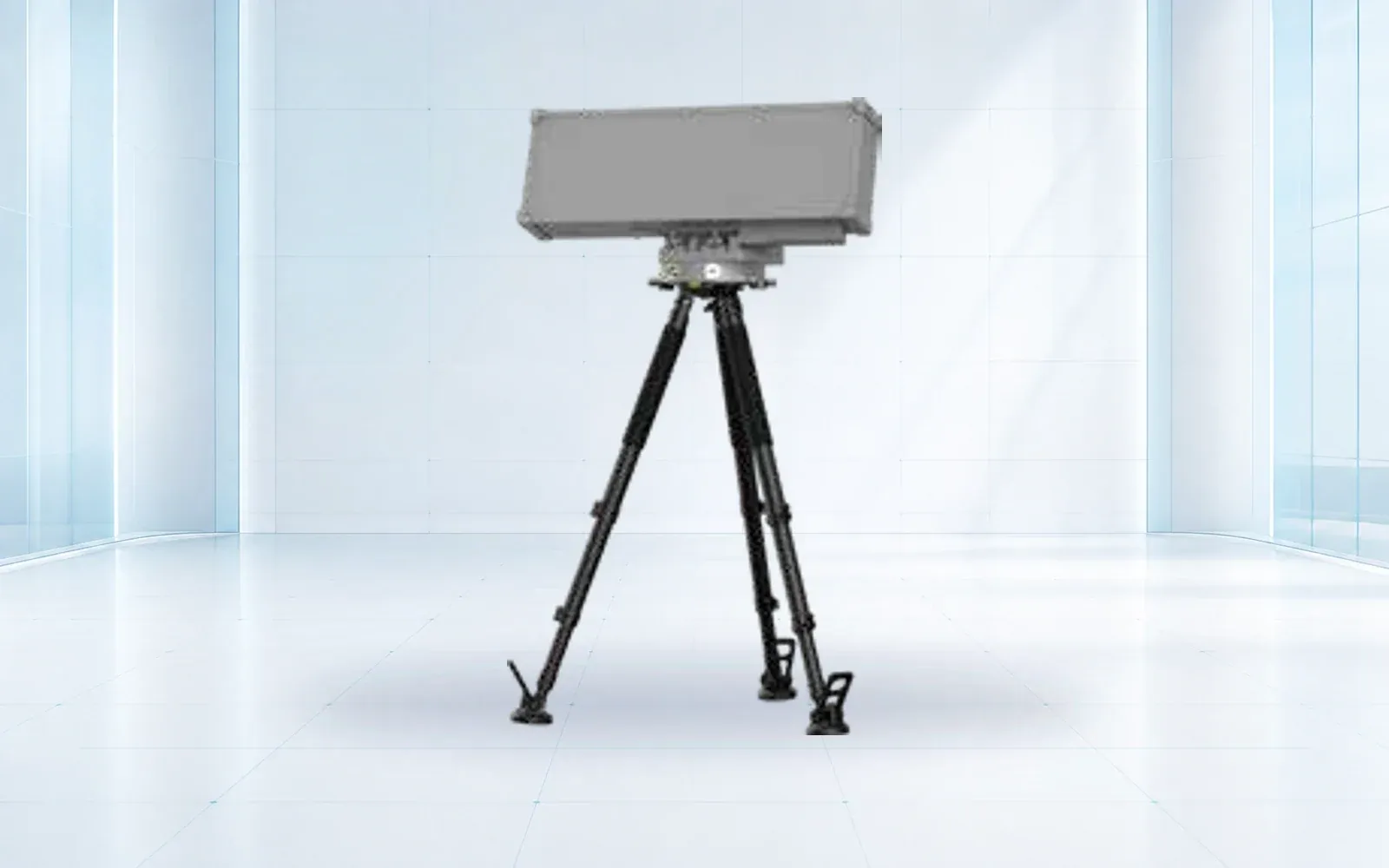
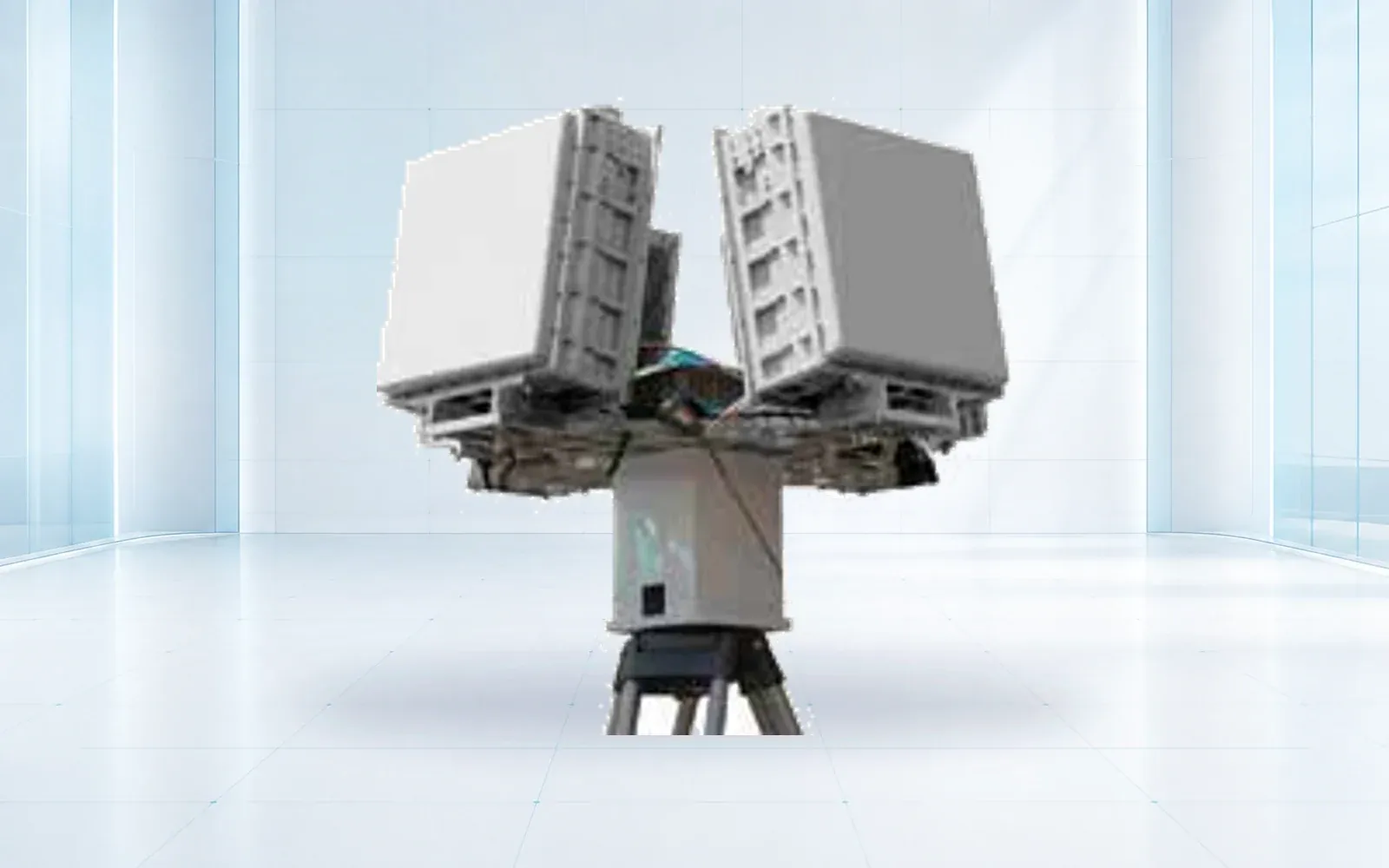
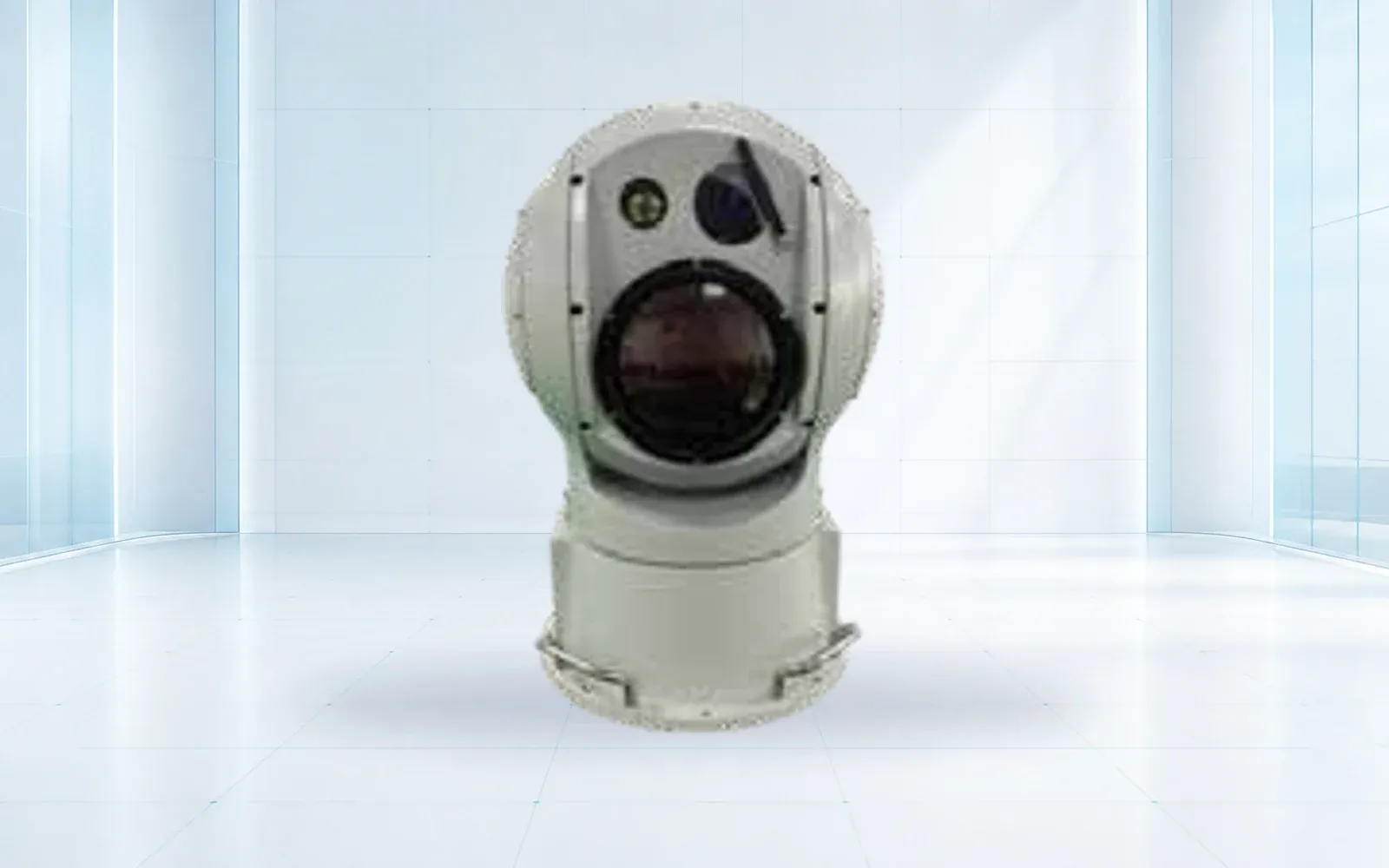
The NI-C3000 electro-optical tracking system provides a candidate visual-confirmation role, while the NI-R5000 active radar provides a candidate track source. Confirm the actual camera options, radar interface, software versions and site integration before treating them as an accepted pair.
Keep permissions and retention aligned with the purpose of the deployment. Restrict unnecessary viewing or export, record operator actions and preserve the association between the track and the relevant imagery. Applicable privacy and surveillance requirements need a jurisdiction-specific review.
The acceptance record should identify demonstrated conditions, known blind areas, unresolved limitations and the operator procedure when visual confirmation is unavailable. An uncertain observation should remain uncertain in the record.
The counter-UAS product category and critical-infrastructure protection solution provide system context. For a civil-site visual-confirmation scope, use the product catalog and send OMNI UXV the observation areas, existing track interface and required operator evidence.
FAQs
Is a radar detection the same as visual identification?
No. Radar can provide a track that directs attention to an object, while a camera may provide imagery for classification or review. Neither a track nor an image alone establishes the object's intent or the authority to take an enforcement action.
Why can a long-range camera fail to acquire a radar-cued object?
The handoff can fail because of coordinate or timing errors, mounting alignment, obstructions, a narrow field of view or an incorrect track association. A lens specification alone does not test those interfaces.
Does thermal imaging guarantee identification at night?
No. Thermal imagery depends on target-background contrast, weather, sensor and lens configuration, and the detail needed for the decision. Detecting a warm object is not the same as identifying its type.
What evidence should a radar-to-camera acceptance test retain?
Retain the cue and track records, synchronized video, acquisition and loss events, operator decisions, configuration and test conditions. Include unsuccessful handoffs and representative non-drone objects, not only selected successful clips.