An underwater drone price becomes comparable only after the buyer defines the water, depth, current, visibility, tether route, inspection evidence, tooling, launch and recovery, crew, data deliverable, spares, and support. The vehicle alone is not the working ROV system.
Table of Contents
- Define the Mission Class and Water Environment
- Price the Working System, Not Only the Vehicle
- Size Tether, Navigation, and Sonar as One Architecture
- Add Launch, Recovery, Crew, and Data Cost
- Model Spares, Maintenance, and Downtime
- Normalize Supplier and Service Quotes
- Accept the Complete System in the Water
- FAQs
Define the Mission Class and Water Environment
List the asset, question, water body, depth, current, visibility, temperature, salinity or contamination, access, launch height, stand-off, route, and required evidence. An observation dive around a quay wall, a dam intake survey, a hull intervention, and a subsea tool task do not belong in one price band.
State the decision the data must support and the smallest feature or action that matters. Then define video, stills, sonar, measurement, positioning, annotation, and report requirements. “4K camera” does not establish visible target detail through turbid water at the planned distance.
Set operating and survival limits separately. Include maximum planned depth and current with reserve, tether angle and drag, entanglement sources, biological growth, debris, magnetic or acoustic interference, and the consequence of losing propulsion, visibility, navigation, or communications.
Price the Working System, Not Only the Vehicle
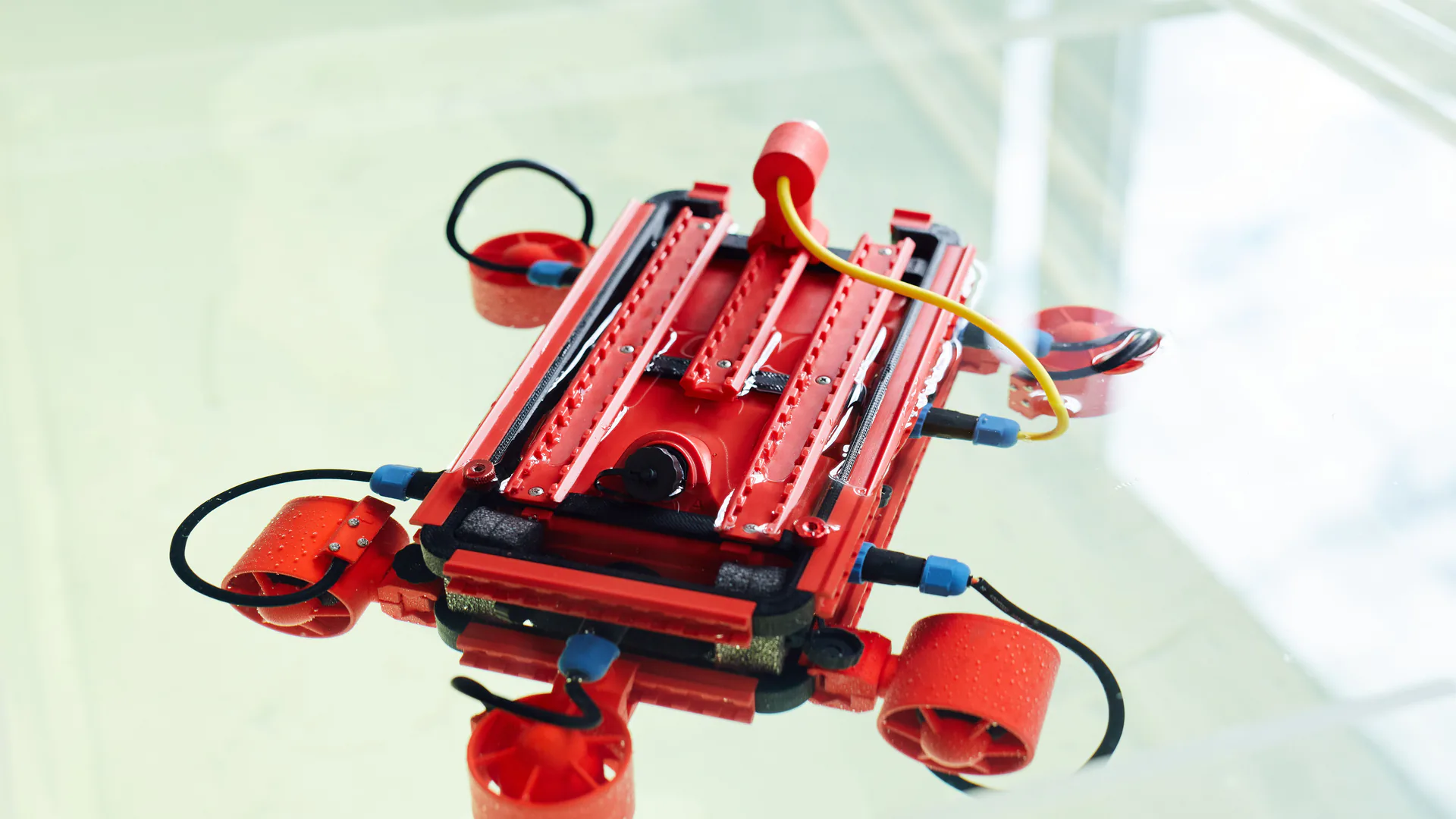
The delivered system can include the ROV, thrusters, cameras, lights, control electronics, tether, tether management, surface power, batteries where used, console, displays, controller, cases, launch hardware, spares, tools, software, and data storage. Require serialised configuration and state what the vehicle can carry while meeting the agreed performance.
Payload integration includes mechanical mount, buoyancy and trim, power, communications, software control, timing, metadata, calibration, and hydrodynamic effect. A tool or sonar price without integration and wet-test responsibility is incomplete.
| Mission package | Minimum system questions | Major price drivers |
|---|---|---|
| Visual observation | Target detail, standoff, lights, stability and recording | Camera, lighting, control, tether and console |
| Low-visibility inspection | Navigation, target reacquisition and imaging geometry | Imaging sonar, positioning, mount and operator display |
| Light intervention | Force, manipulator reach, tool feedback and station keeping | Tooling, vehicle power, buoyancy, spares and training |
| Cleaning | Surface, fouling, contact load, debris and recovery | Cleaning head, flow/power, wear parts and containment |
| Survey/mapping | Coverage, trajectory, georeferencing and deliverable | Sonar, navigation, processing, control and QA |
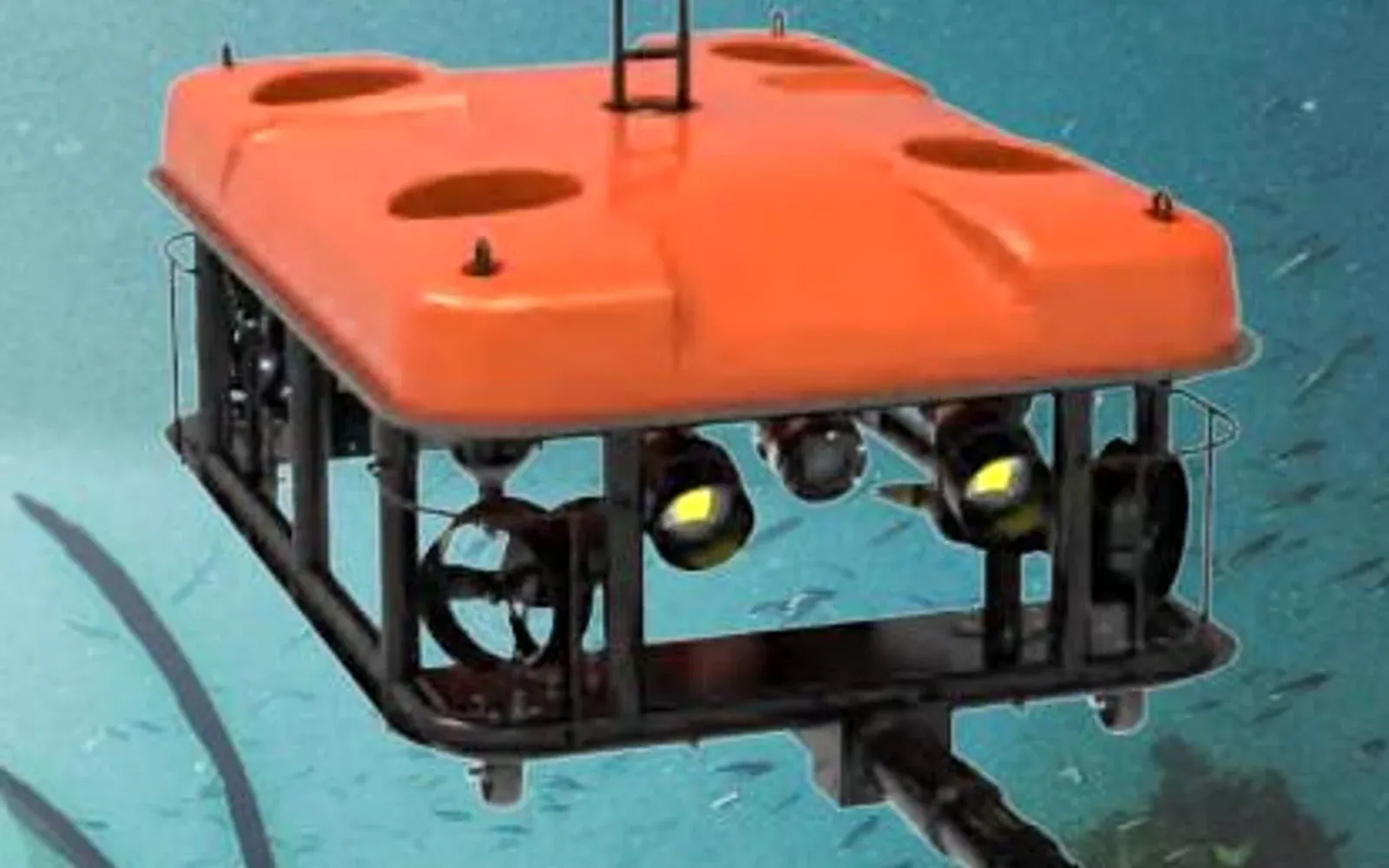
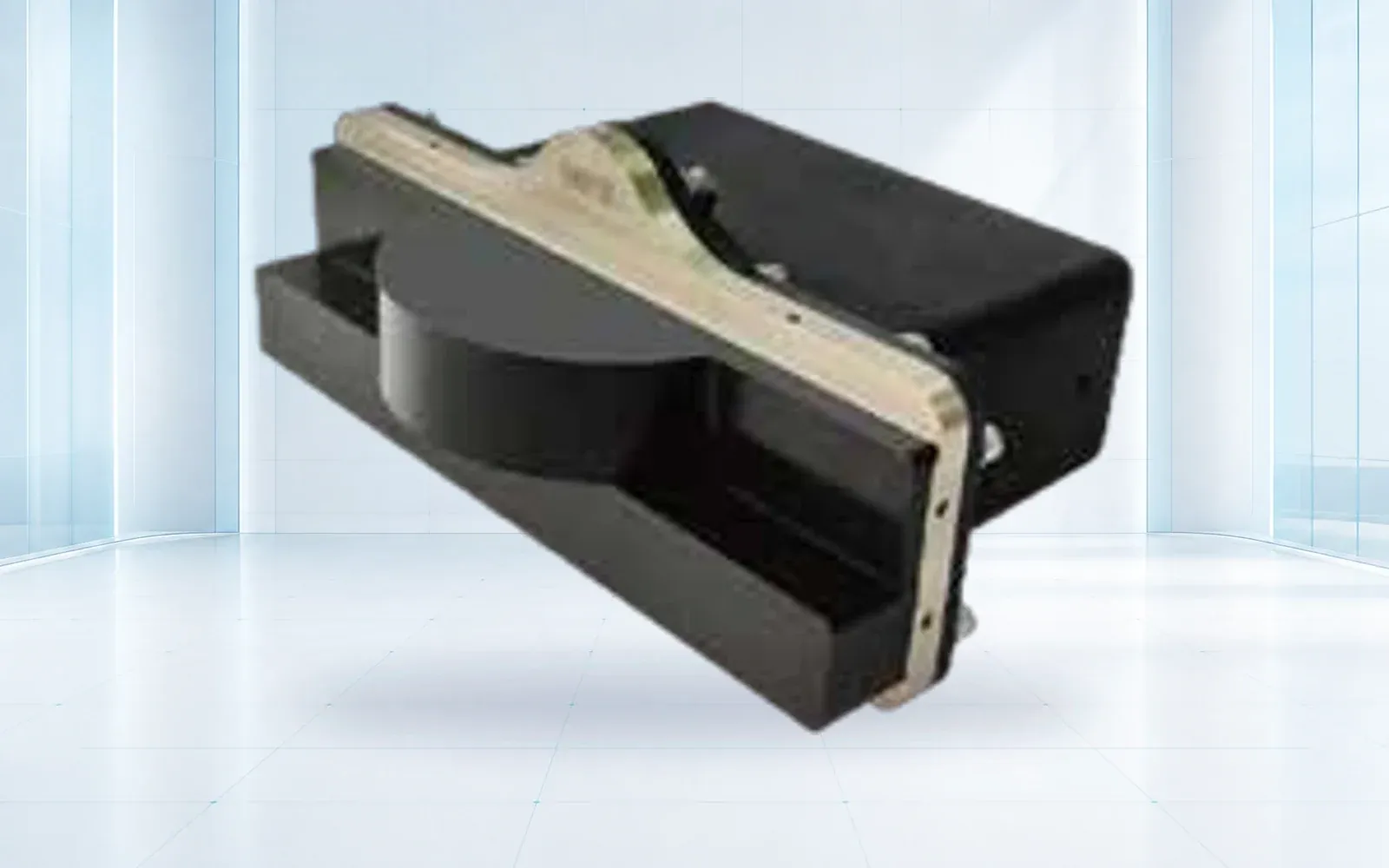
The G70 observation and light-work ROV and SNR-C400 imaging sonar show how vehicle and sensing choices combine. Price their verified installed configuration against the mission rather than assuming every listed option can be used simultaneously.
Size Tether, Navigation, and Sonar as One Architecture
Tether length must cover the three-dimensional route from the selected launch point with service loops and recovery reserve. It also creates drag, snag exposure, handling effort, storage, connector wear, and influence on vehicle control. Specify diameter, buoyancy, strength, bend limits, data/power, terminations, inspection, and repair.
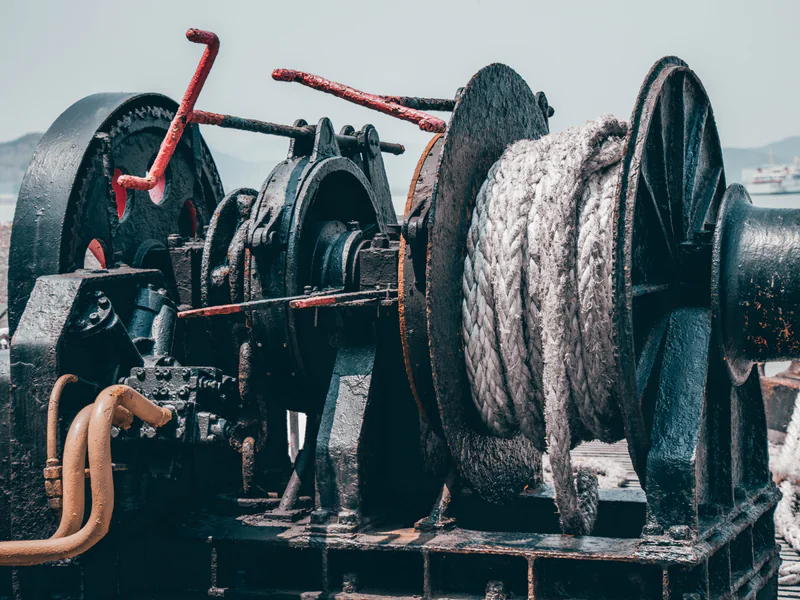
Select a reel, powered TMS, cage, sheave, fairlead, or manual procedure appropriate to the load and deck. Model the worst credible current and route around structures. The tether operator and vehicle pilot need a shared plan for paying out, taking in, crossing edges, and aborting.
Sonar can support navigation and inspection where cameras lose range. NOAA describes side scan, multibeam, and other hydrographic survey equipment; an inspection ROV may instead need forward-looking or imaging sonar for local awareness. Choose by required field of view, range, resolution, update, mount, acoustic environment, and deliverable.
Add Launch, Recovery, Crew, and Data Cost
Price the launch site, vessel or platform, davit or crane where required, deck power, shelter, barriers, fall protection, traffic control, permits, vessel crew, ROV pilot, tether handler, engineer or inspector, safety support, and standby. Weather and access delays can outweigh vehicle depreciation on short campaigns.
Define the data product and review labor: original video, synchronized sonar, stills, voice or event log, asset/zone index, track, annotations, contact sheet, defect register, model, report, and maintenance import. Include storage, transfer, backup, cybersecurity, and client revision.
BSEE’s SCAMP program uses ROVs, side-scan and sector-scanning sonar, underwater imagery, positioning, and evidence controls as complementary tools. That is a useful model for pricing an evidence package rather than a single sensor feed.
Model Spares, Maintenance, and Downtime
List seals, lubricants, connectors, tether terminations, thrusters, propellers, lights, cameras, domes, guards, tooling wear parts, filters, control hardware, and test equipment. Define freshwater rinsing, decontamination, pre/post-dive checks, pressure-related inspection, calibration, storage, and service intervals.
Estimate downtime by failure class and repair route. Include diagnostic support, remote assistance, parts location, customs, factory return, loaner availability, and mobilization loss. On a vessel or outage window, one unavailable connector can cost more than a spare kit.
Budget training and currency for pilot, tether, launch/recovery, data review, emergency recovery, and task-specific tooling. Where diving or confined-space interfaces exist, define safe coordination; buying an ROV does not transfer authority or competence automatically.
Normalize Supplier and Service Quotes
Give bidders the same asset register, environment, route, current, target, deliverable, crew and launch assumptions. Require lines for vehicle, payload, tether/TMS, surface system, launch equipment, software, integration, training, spares, documentation, freight, commissioning, support, and wet acceptance.
Compare an owned system, rental, and inspection service on the same accepted-output unit. Include mobilization, vessel, personnel, standby, processing, rework, data rights, and reporting. A daily service rate includes cost that an equipment quote leaves with the buyer.
The ROV and sonar selection guide explains which tool fits an evidence problem. Use that decision before optimizing price, especially when a broad-area sonar survey and close ROV inspection may be complementary phases.
Accept the Complete System in the Water
Bench tests confirm configuration, controls, files, sensors, tools, health indicators, and records. Wet acceptance must use representative visibility, depth, current or a justified simulation, tether route, structures, targets, launch/recovery, crew, and data workflow.
Test station keeping, target approach, standoff, visual detail, sonar interpretation, tool action where applicable, tether handling, navigation, loss of visibility, degraded thruster, lost video or sonar, emergency recovery, and repeat deployment. Score task completion, evidence quality, location repeatability, operator workload, setup, recovery, and data delivery.
BSEE’s completed 2026 ROV-enabled subsea inspection research demonstrates why sonar perception, manipulation, control, and inspection method must be validated as one workflow. Use the same principle at the scale of the purchased system.
Review the underwater systems portfolio, port and water security solution, and technical resources, then contact OMNI UXV with the asset, water conditions, route, payload, launch plan, deliverable, and wet-test targets.
FAQs
How much does an industrial underwater drone cost?
There is no useful universal price. Depth, current, tether, navigation, camera, sonar, tooling, launch and recovery, control station, spares, training, data workflow, and support determine the delivered system.
Is a long tether always better?
No. Extra tether adds drag, handling, storage, snag exposure, power or data considerations, and crew workload. Size and manage it for the real route, current, launch point, reserve, and recovery plan.
Does an inspection ROV need sonar?
Sonar is valuable in turbid water, for navigation, standoff, target reacquisition, and geometry, but the type should match the evidence question. It does not automatically replace visual or contact inspection.
How should two ROV prices be compared?
Normalize depth/current assumptions, installed sensors and tools, tether and management, launch and recovery, crew, deliverables, spares, support, training, and a representative wet acceptance test.