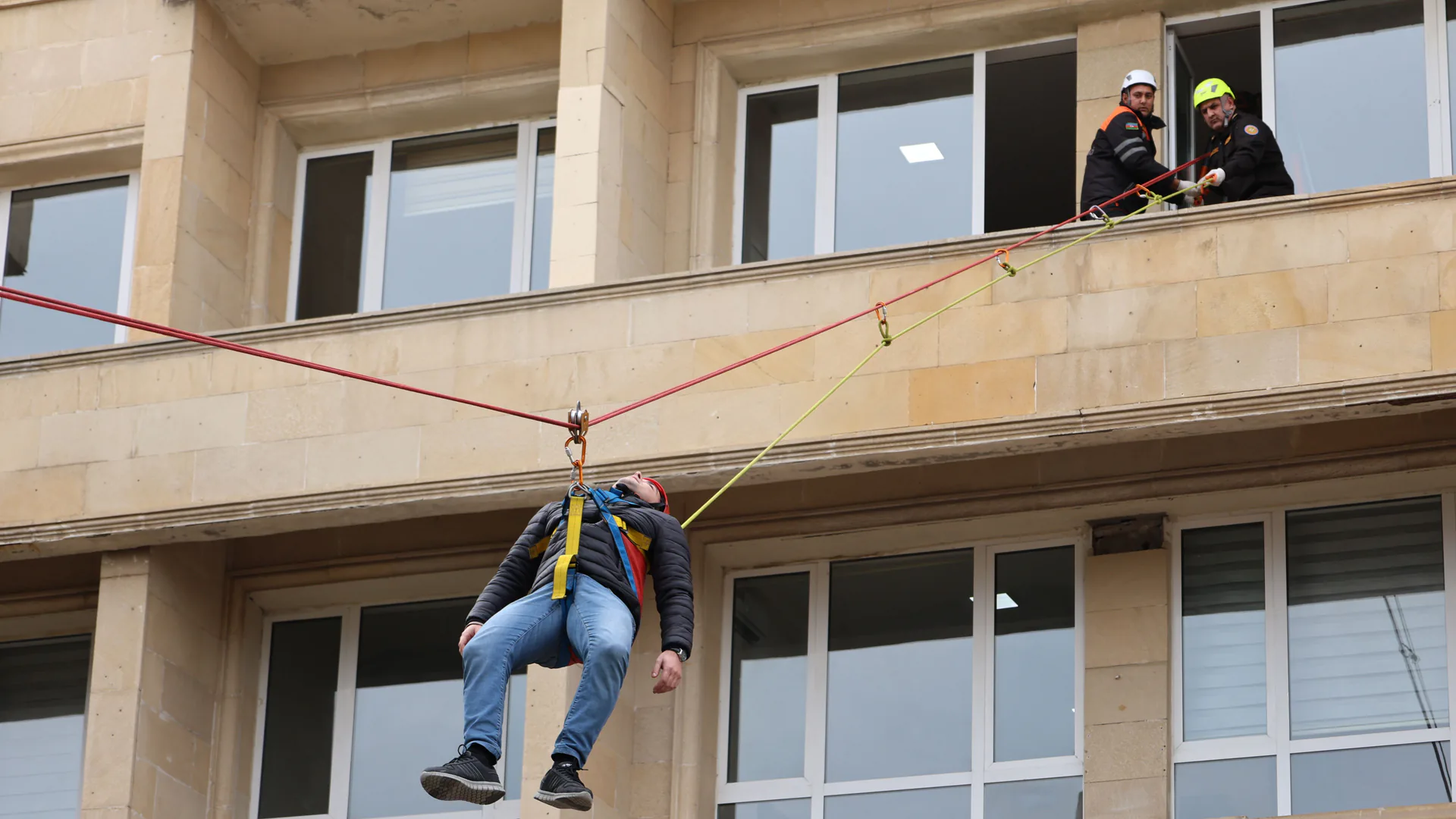
A through-wall radar price is meaningful only when the quote defines the authorized mission, warranted output, wall and target conditions, delivered hardware, software, training, support, and acceptance test. Low-cost listings often mix presence sensors, spatial systems, research devices, and unrelated ground-penetrating radar.
Table of Contents
- Define What a Through-Wall Radar Quote Must Include
- Separate Presence, Range, Count, and Spatial Display Capabilities
- Compare Handheld and 3D-Oriented Configurations
- Add Training, Authorization, Software, and Support Costs
- Normalize Quotes With a Delivered-Capability Matrix
- Test Wall Types, Negative Cases, and Operator Interpretation
- Build the Business Case Around Authorized Outcomes
- FAQs
Define What a Through-Wall Radar Quote Must Include
Use the through-wall imaging radar selection guide first when the unresolved question is whether the mission needs presence, range, count or spatial output. This page begins after that capability boundary is chosen: its job is to normalize the delivered commercial package and prove that the quoted output survives training and blind wall tests. Keeping those two decisions separate prevents both pages—and both procurement stages—from competing for the same task.
Begin with a lawful, authorized use case and a narrow operational question: whether movement or presence is indicated, approximate range, estimated count, or spatial display. State the wall types, expected standoff, room depth, target states, setup time and environmental limits. A quote should warrant only the outputs that will be tested.
Require a line-item delivered configuration: sensor head, antennas, display, controller, batteries, chargers, cases, mounting, cables, software, licenses, updates, manuals, initial training, support, warranty, repair path, shipping and acceptance. Record country or agency restrictions and equipment-authorization responsibilities for the intended market.
Do not use public marketplace prices as a budget benchmark until identity and provenance are verified. A low figure may refer to a component, prototype, presence alarm or unrelated ground-penetrating equipment; a high figure may include training and 3D visualization. The comparison unit is an accepted, supportable capability.
Separate Presence, Range, Count, and Spatial Display Capabilities
Through-wall radar systems may detect motion or micro-motion, estimate range, suggest the number of tracks, or display spatial cues. These are separate performance claims. A device can detect a moving person reliably and still have limited count accuracy when targets overlap. A sophisticated display does not itself prove measurement accuracy.
Ask for operating frequency and bandwidth, update behavior, integration time, field of view, wall offset, target assumptions and invalid-output logic. Test stationary, moving and transitioning people. Fans, machinery, pipes, movement outside the target room and structural vibration can create ambiguity.
| Output | Quote must state | Acceptance measure | Frequent misunderstanding |
|---|---|---|---|
| Presence/motion | Target state, wall and distance envelope | Detection and false-event rate | “No indication” means room is clear |
| Range cue | Reference point and error criterion | Error by wall and target position | Range equals a floor-plan location |
| Count/tracks | Separation and motion assumptions | Count accuracy and identity continuity | One display marker always equals one person |
| Spatial/3D display | Geometry, axes, resolution and refresh | Position error and operator interpretation | Rich graphics equal an optical image |
| Micro-motion | Target state and integration time | Controlled breathing-scale and no-target cases | Any periodic vibration is a person |
Keep pass/fail criteria independent. A single composite score can hide a critical weakness in the output the team actually needs.
Compare Handheld and 3D-Oriented Configurations
A handheld unit can favor rapid deployment, close access and a focused local question. A larger multi-antenna or 3D-oriented configuration may support wider or more structured spatial output but can require stable placement, setup, mapping and more operator interpretation. Compare deployment time, transport, power, display, wall offset, field of view, logging and crew size.
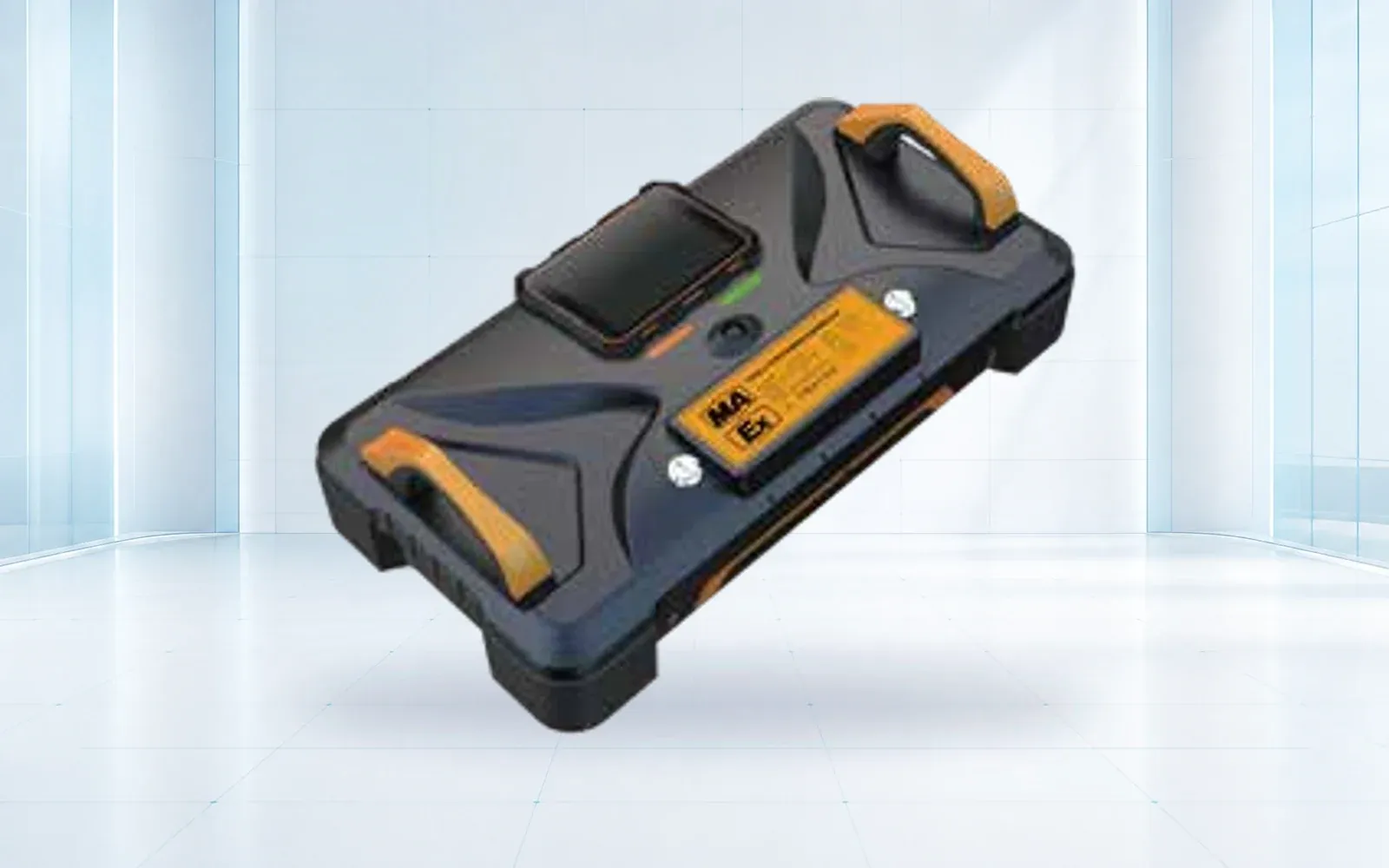
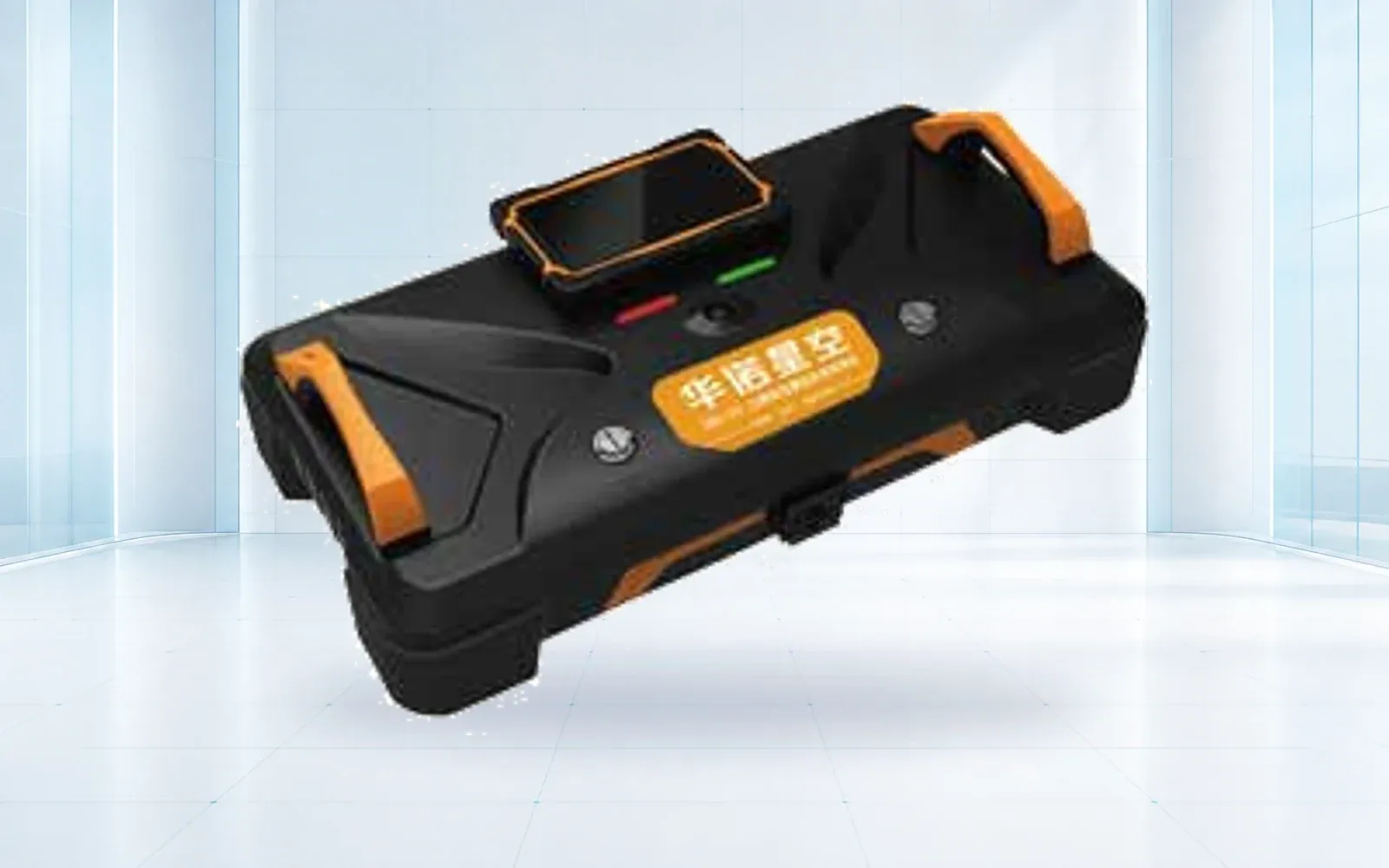
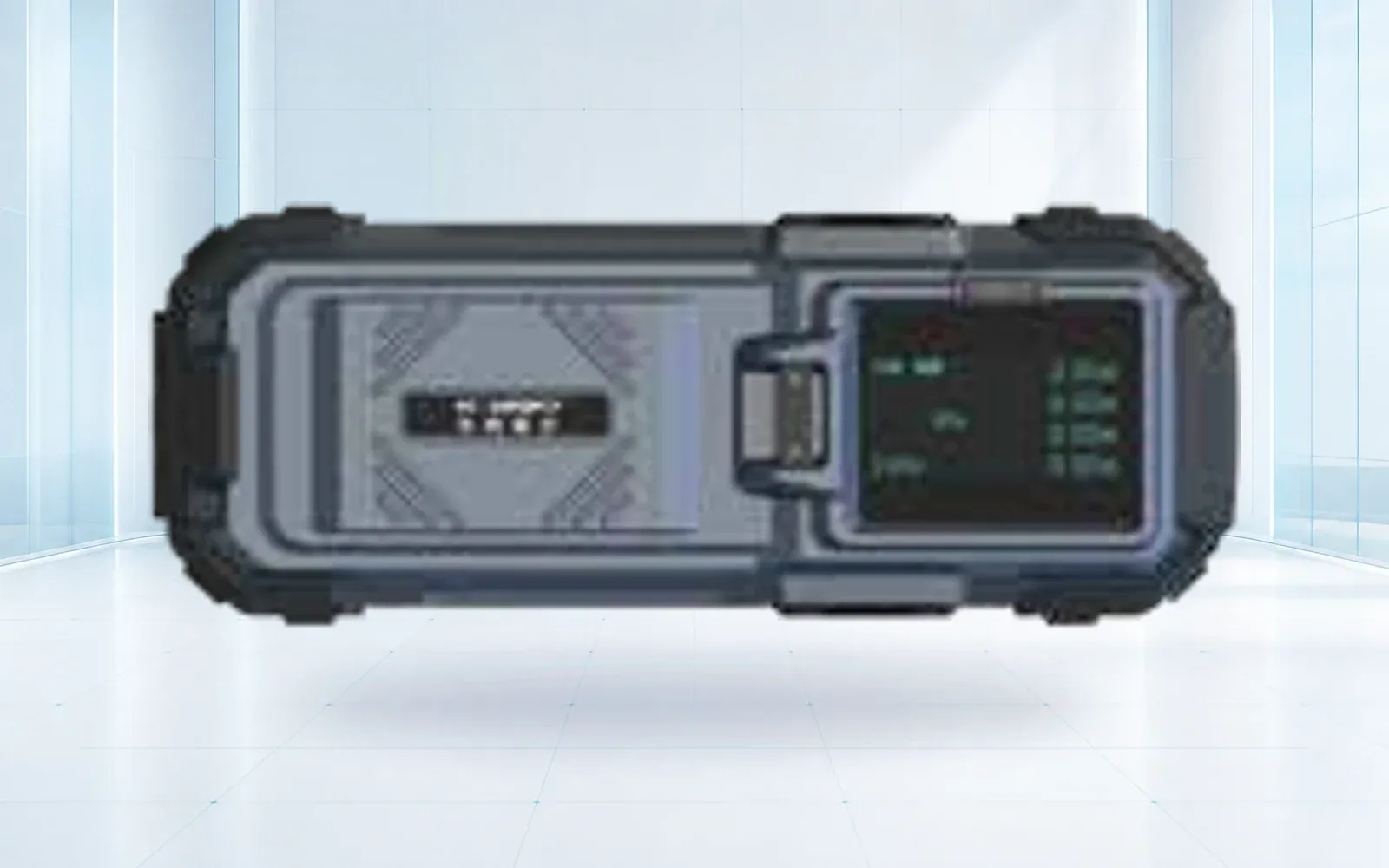
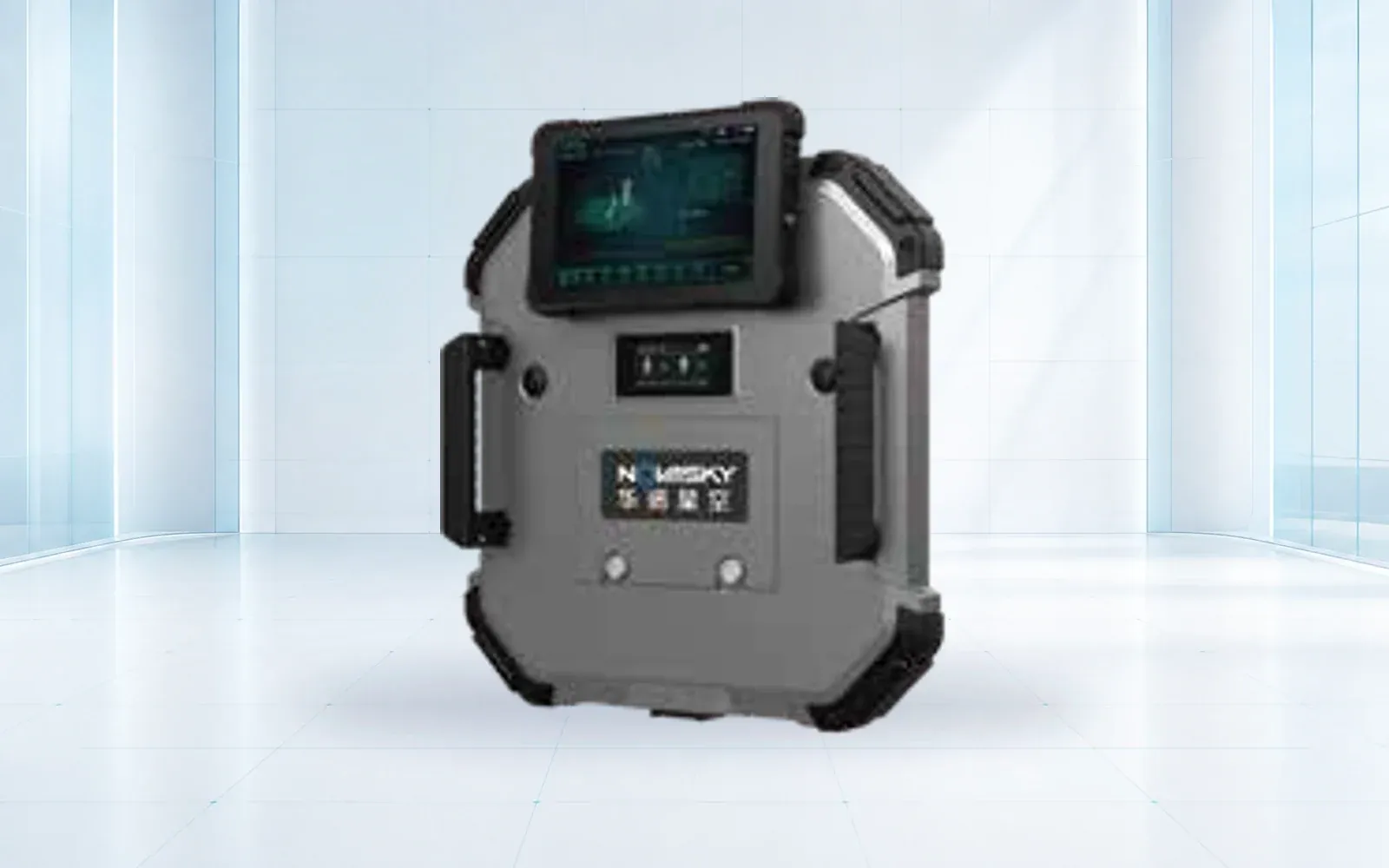
The CEM100 handheld through-wall radar and CEM400 3D through-wall radar are reference configurations. Confirm frequency, authorized market, output types, delivered accessories and evidence for the exact version. Do not infer that either configuration includes every presence, count, range or spatial claim.
DHS Science and Technology reported in June 2025 on testing technologies that help law enforcement see through walls. The useful procurement lesson is the role of operational testing; it is not an endorsement of every device sold under the same label.
Add Training, Authorization, Software, and Support Costs
Training should cover physics and limits, setup, wall assessment, interference, invalid results, scenario interpretation, evidence handling, safety, legal policy and secondary confirmation. Price initial users, instructors, refresher cycles, travel, training devices and consumables. Define who can certify internal competence.
Software cost may include the display, mapping, recording, export, user or device licenses and updates. Ask whether the system operates offline, how configurations are backed up, what happens when a license expires and whether updates change performance. Include controlled update testing.
Authorization is not an accessory. Equipment authorization, spectrum rules, agency authority, privacy, policy, record handling and evidentiary use must be reviewed for the jurisdiction and mission. This procurement framework does not grant permission to observe through a wall.
Normalize Quotes With a Delivered-Capability Matrix
Make the total reproducible instead of accepting a single “system price.” A practical five-year worksheet can use the following structure without assuming any market price:
| Cost block | Calculation basis | Evidence needed |
|---|---|---|
| Delivered equipment | Accepted quantity × configured unit price | Versioned bill of materials and exclusions |
| Readiness kit | Batteries, chargers, cases, displays, spares and test fixtures | Required duty cycle and replacement assumptions |
| Software and data | Initial term + renewals + controlled update testing | License metric, offline behavior and export rights |
| Competence | Initial users + instructors + refresher cycles + exercises | Training syllabus, pass criteria and recertification interval |
| Support and downtime | Support years + expected repair events + loaner or contingency plan | Response times, repair route, parts term and excluded labor |
| Authorization and acceptance | Legal/spectrum review + policy + wall library + blind trial | Named owner, jurisdiction, test plan and signed results |
Record low, expected and high cases for conditional items. The comparison output should be both five-year cost and cost per maintained, acceptance-qualified team; neither metric substitutes for lawful authority.
Use the same bill of materials, warranty term, user count, training level, software period, wall library and acceptance protocol for every vendor. Separate mandatory, optional and conditional costs. Request unit prices for batteries, display, replacement sensor, another trainee, annual support, software renewal, repair and loaner service.
Model five-year total cost across acquisition, operation and downtime. Include policy development, legal and spectrum review, secure storage, evidence system integration, exercises, recertification, updates, repairs and replacement coverage. A rarely used specialist system can still require continuous training and battery/support readiness.
The older NIJ through-wall sensor market survey is useful only as historical evidence of evaluation dimensions; it should not be used as a current catalog or price source. DHS also hosts a through-wall surveillance radar report that can help frame terminology and operational questions.
Test Wall Types, Negative Cases, and Operator Interpretation
Build a wall library representative of intended work: drywall assemblies, masonry, reinforced concrete, insulation, wet material, openings and metal interference. Document thickness and construction as far as practical. Include empty rooms, adjacent-room motion, outdoor movement, machinery, fans, one and several people, stationary and moving states, and partial occlusion.
Keep some target locations and room states blind. Score presence detection, miss, false event, range or position error, count result, time to understanding, repeatability and agreement between operators. Record invalid or ambiguous outputs and whether the procedure led to an appropriate secondary check.
Test startup, battery rotation, device placement, interference recognition, logging, export, cleaning, storage and software recovery. Define retest triggers after material hardware, antenna, signal-processing or display changes. The capability guide defines what output is needed; this article owns price normalization and commercial acceptance.
Build the Business Case Around Authorized Outcomes
Tie cost to a qualified scenario or trained team, not annual device hours. The business case may include faster assessment, reduced exposure, better search prioritization or improved evidence, but it should also state uncertainty, circumstances that require another sensor and occasions when the device must not be used.
Use the law-enforcement and public-safety solution for authorized operational context and compare reference devices in the life-detection category. The compliance library can hold the dated spectrum, policy and authorization evidence. For a delivered-cost matrix and blind wall test, contact OMNI UXV with authorized mission, wall types, required outputs, user count, training model and secondary-verification process.
FAQs
Why are online through-wall radar prices difficult to compare?
Listings may describe different outputs, frequencies, user restrictions, wall conditions, software, training and support, and some incorrectly mix through-wall sensing with ground-penetrating radar.
Is through-wall radar the same as ground-penetrating radar?
No. Ground-penetrating radar is generally used to examine subsurface materials, while through-wall systems are configured to sense motion or presence through building barriers under stated conditions.
What costs are commonly excluded from a through-wall radar quote?
Common exclusions include displays, batteries, cases, software, updates, training, train-the-trainer work, test walls, shipping, support, repair, calibration checks and site acceptance.
How should a buyer acceptance-test a through-wall radar?
Use representative walls, empty rooms, moving and stationary people, ambiguous motion, multiple targets and blind trials, then score each warranted output and operator interpretation separately.