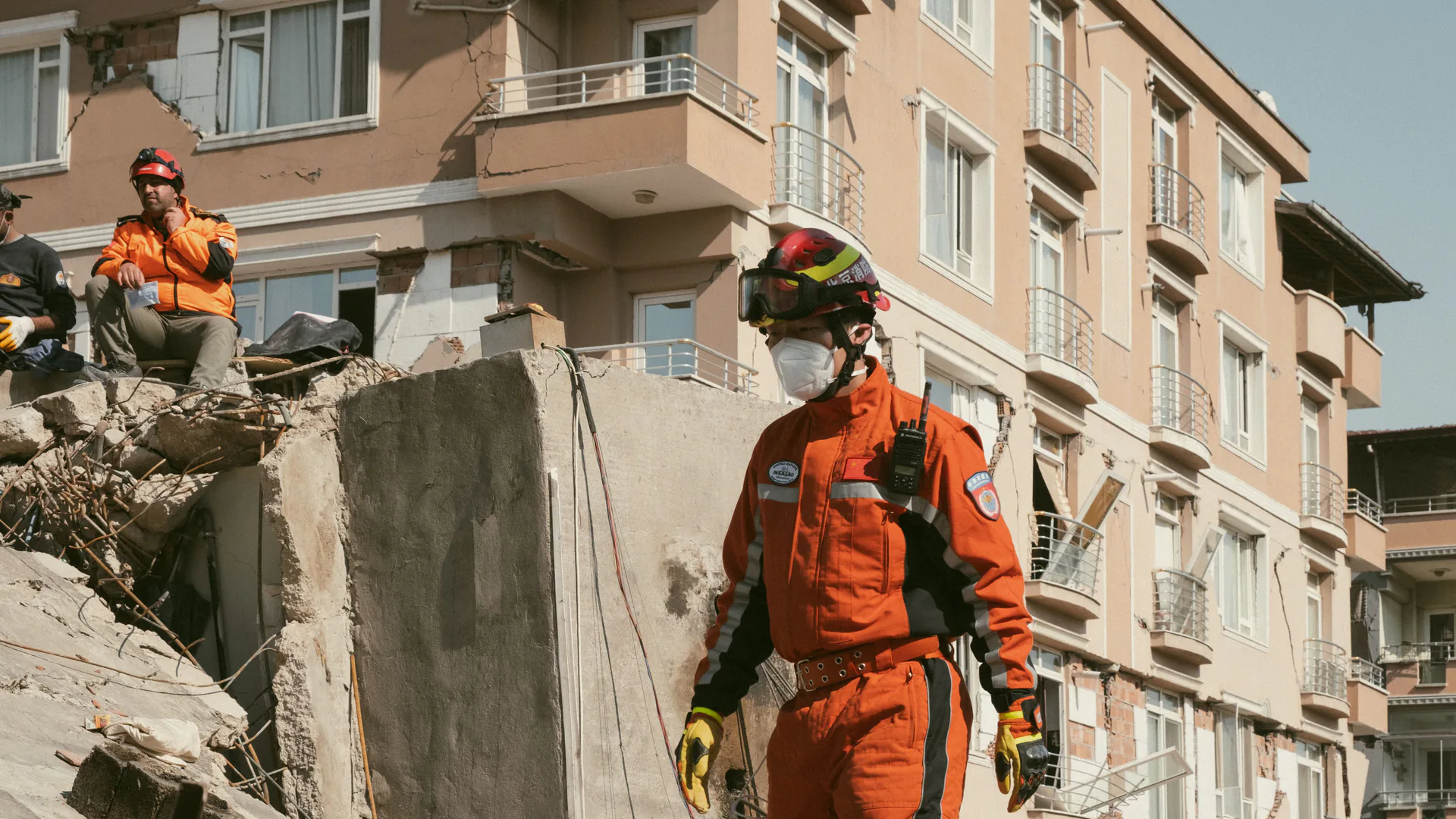
Through-wall imaging radar does not create an unrestricted clear picture of a room. It measures radio-frequency returns shaped by wall material, geometry, target motion, clutter and operating conditions; useful deployment also requires lawful authority, trained interpretation and independent verification.
Table of Contents
- Define the Operational Question Before the Radar Output
- Understand What Through-Wall Radar Can Actually Measure
- Model Wall Materials, Geometry, Clutter, and Target Motion
- Separate Presence Detection, Tracking, and Imaging Claims
- Apply Spectrum, Authorization, Privacy, and Evidence Controls
- Compare Handheld and 3D Reference Configurations by Mission
- Accept the System With Blind, Negative, and Ambiguous Trials
- FAQs
Define the Operational Question Before the Radar Output
Write the question that an authorized team must answer: is motion likely present in a defined room, at what approximate range, in which direction, how many distinct tracks are visible, or has an observed target stopped moving? The answer needed determines whether a simple presence display, range track or spatial view is appropriate.
Set the consequence of a false positive and a miss. A cue that changes a search plan requires different confidence and verification from a cue that supports a high-consequence tactical decision. State which other observations or procedures must confirm the result.
The National Institute of Justice’s best-practices report for through-the-wall sensors discusses operational use, training and limitations for law-enforcement readers. It should be combined with current local legal and agency requirements rather than used as blanket authorization.
Understand What Through-Wall Radar Can Actually Measure
The radar transmits a waveform and measures returned energy over time and, in some architectures, across several antenna positions. Processing can separate static background from changing returns, estimate delay as range and use antenna geometry to estimate direction or form a simplified image.
Breathing, limb movement and walking create different signal changes. A stationary person may be harder to distinguish from the static environment unless the system is designed and positioned for small-motion sensing. The display is an interpretation of RF measurements, not a direct optical view.
Require a definition for every output term. “3D” may refer to the display or estimated coordinate dimensions; “imaging” may represent tracks or intensity cells rather than recognizable anatomy. The offered evidence should show the output under named wall, range and target conditions.
Model Wall Materials, Geometry, Clutter, and Target Motion
Walls attenuate, reflect and refract energy. Conductive material can block or strongly reduce transmission; reinforced concrete, foil-backed insulation, wet material and layered construction can create complex propagation. Doors, windows and corners create alternate paths that may look like a target at another location.
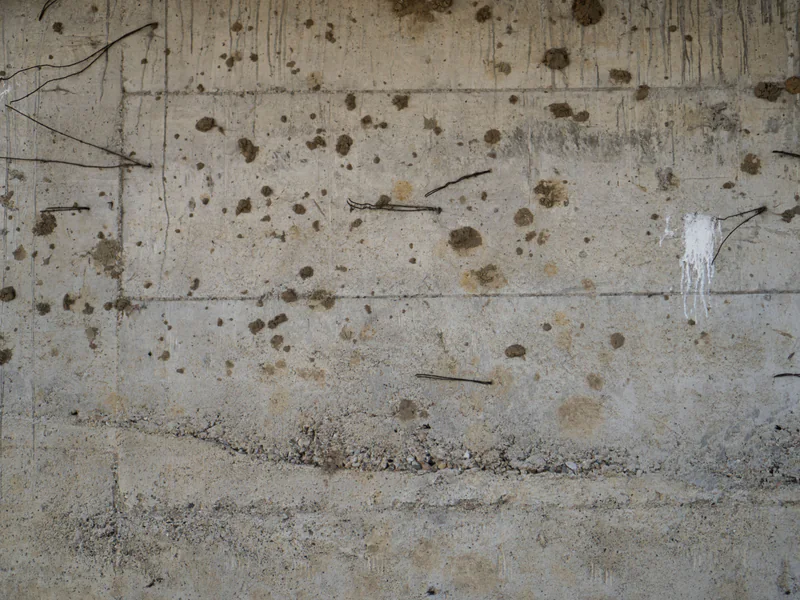
Survey likely construction and room geometry before relying on a display. Mark the sensor position and orientation. Where operationally safe and lawful, compare results from another wall or angle. Treat a result that changes dramatically with small sensor movement as ambiguous until it is explained.
Separate Presence Detection, Tracking, and Imaging Claims
| Claimed output | What must be defined | Minimum representative trial | Common confusion |
|---|---|---|---|
| Presence or motion | Motion class, range and decision threshold | Moving and stationary targets plus empty rooms | Motion outside the room or moving machinery |
| Range | Reference point, resolution and error statistic | Targets at known depths and oblique positions | Multipath return interpreted as direct range |
| Bearing or lateral position | Field of view and coordinate convention | Known left, center and right positions | Wall or antenna orientation error |
| Track count | Separation and persistence rule | Crossing, grouped and intermittent targets | One person split into tracks or people merged |
| 2D or 3D representation | Axes, update rate and displayed quantity | Known room layout and blind scoring | Display realism mistaken for measurement accuracy |
| Micro-motion cue | Target state and integration time | Controlled breathing-scale and no-target cases | Vibration, fan or structure motion |
Score each output independently. A system may detect motion reliably without counting people well, or estimate range without producing a useful spatial map. Procurement should preserve those distinctions.
Apply Spectrum, Authorization, Privacy, and Evidence Controls
In the United States, the current 47 CFR Part 15 Subpart F contains ultra-wideband rules. Sections 15.510 and 15.509 distinguish through-wall and wall-imaging categories and include technical and operational conditions. Confirm the current eCFR, equipment authorization and eligible use for the exact device.
Spectrum compliance does not decide whether a search is lawful. The agency must address authority, privacy, policy, training, record handling, disclosure and evidentiary use for its jurisdiction. This article is an engineering and procurement framework, not legal permission to observe through a wall.
Log operator, time, device, software, location, configuration and exported result where policy requires. Restrict access and preserve the original sensor record when a display or screenshot becomes part of a decision.
Compare Handheld and 3D Reference Configurations by Mission
A handheld unit favors rapid deployment and a simple local question. A larger multi-antenna or 3D-oriented system may provide wider or more structured spatial output but can require setup, stable placement and more interpretation. Compare transport, setup, user interface, wall offset, field of view, update rate, power, environmental limits and logs.
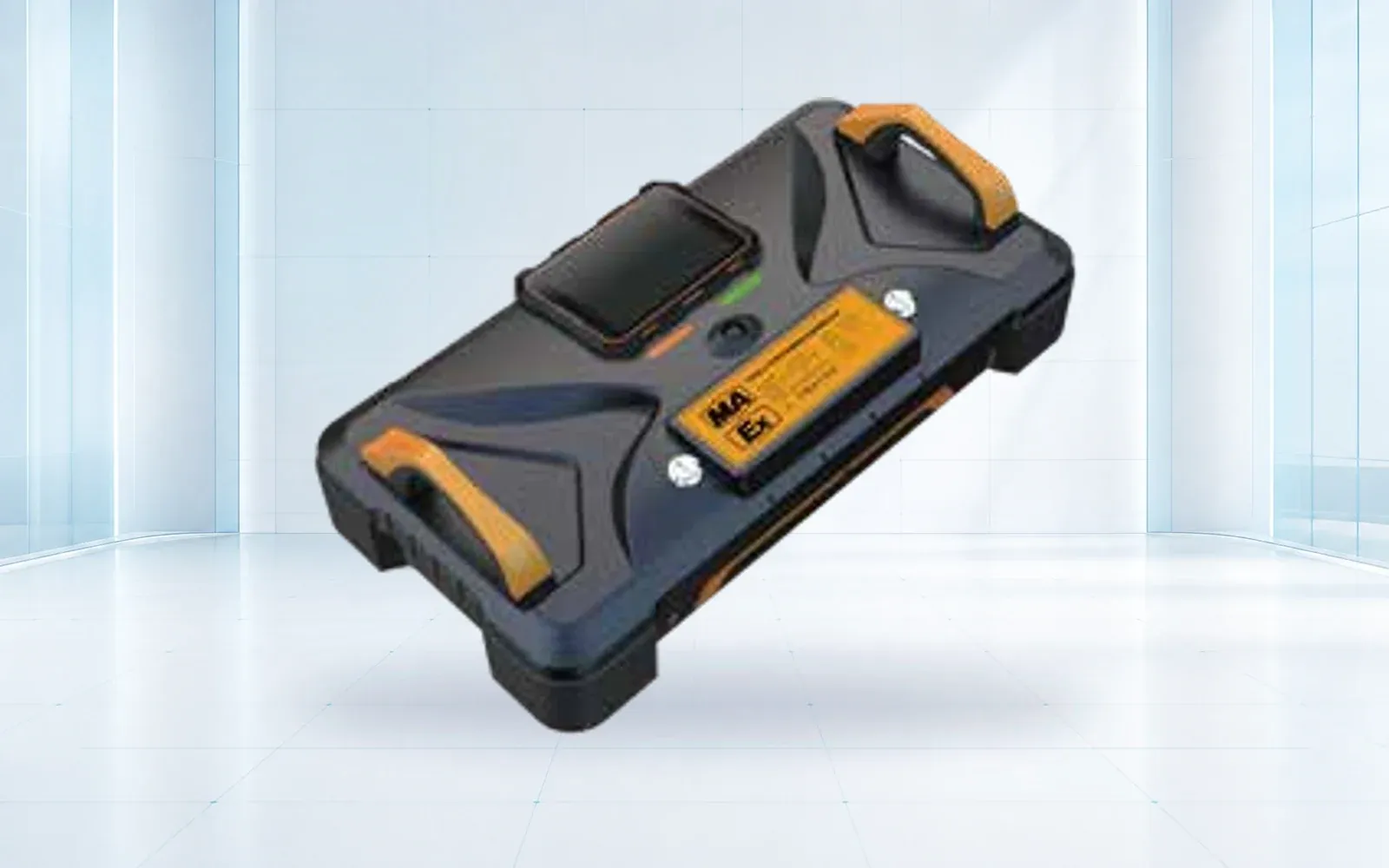
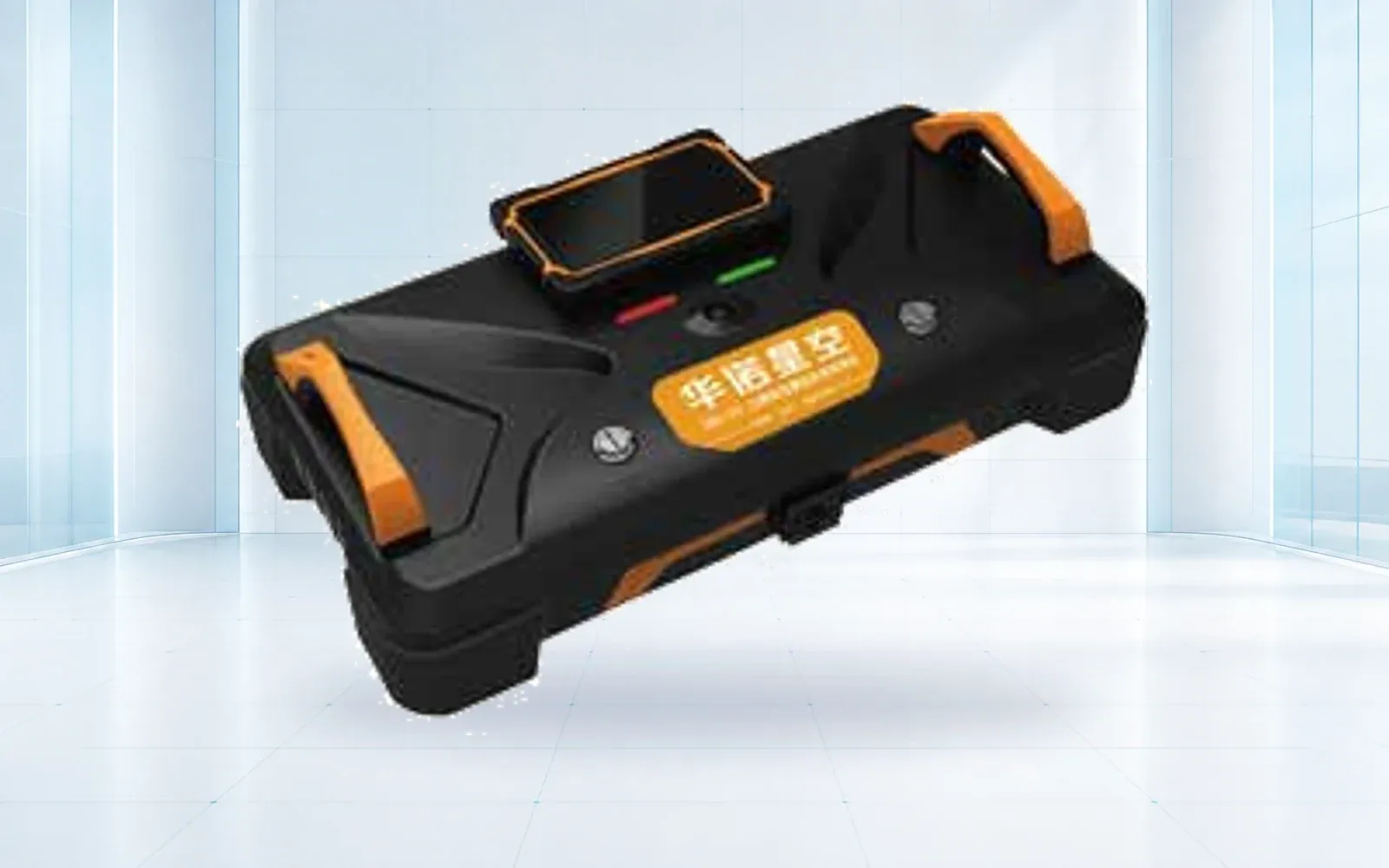
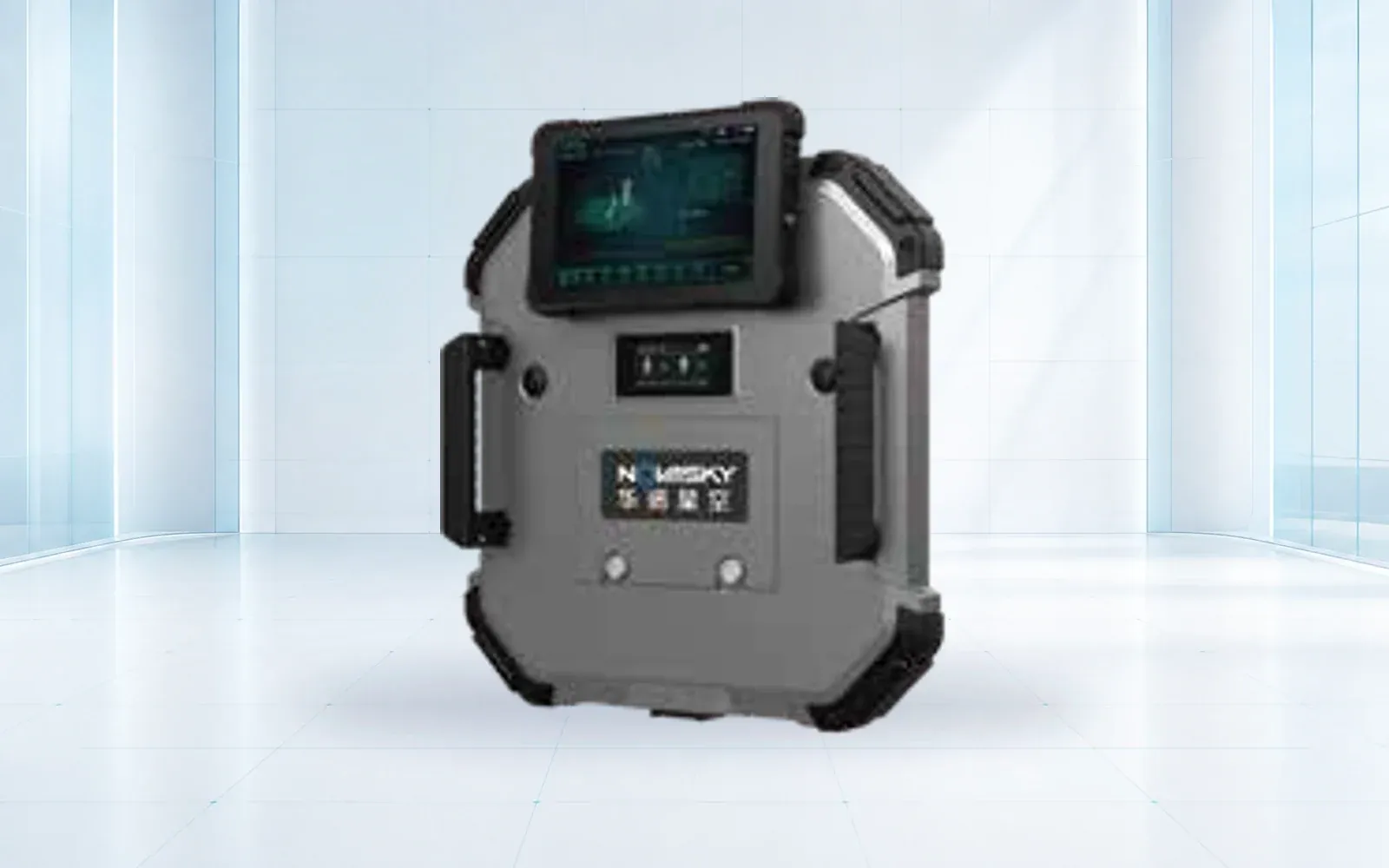
The CEM100 handheld through-wall radar and CEM400 3D through-wall radar are reference configurations. Confirm frequency, authorized market, output types and test evidence for the exact version; do not infer that one display includes every presence, count or imaging claim.
After capability fit is established, use the through-wall radar price guide to normalize delivered hardware, software, training, support, authorization work and the wall-library acceptance test.
For disaster search, integrate the radar as one cue in the life-detection evidence workflow. Building condition, rescue access and other sensing remain necessary.
Accept the System With Blind, Negative, and Ambiguous Trials
Build a wall library representative of actual work: masonry, reinforced concrete, drywall assemblies, insulation, openings, wet areas and metal. Use empty rooms, moving machinery, people outside the target room, single and multiple targets, stationary and moving states, different distances and partial occlusion.
Do not tell every operator where the targets are. Score detection, miss, false event, range or position error, count result, time to understanding, repeatability and agreement between operators. Record invalid or ambiguous outputs and whether the procedure led to appropriate secondary verification.
Test startup, battery, interference, software state, data export, cleaning, storage and training as well as sensing. Establish retraining and retest triggers after major software, antenna or display changes.
Use the law-enforcement and public-safety solution for authorized operational context and the compliance library for rule evidence. For a controlled evaluation plan, contact OMNI UXV with the authorized mission, wall types, required outputs and secondary verification process.
FAQs
Can through-wall radar create a clear image of a person?
Usually not in the photographic sense. Depending on the system and conditions, it may indicate presence, motion, range, direction, tracks or a simplified spatial representation. Buyers should define and test each claimed output separately.
Which wall materials limit through-wall radar performance?
Conductive layers, metal mesh or cladding, reinforced concrete, foil-backed insulation, wet materials, thick or multilayer construction and complex cavities can attenuate or distort signals. Openings, nearby metal and room clutter can also create multipath.
Who may operate a through-wall imaging radar?
The answer depends on the device authorization, spectrum rules, jurisdiction, agency authority, privacy and search law, and the mission. U.S. buyers should verify current FCC rules and obtain agency legal review before deployment.
What should a through-wall radar acceptance test include?
Use blind positive, negative and ambiguous trials across representative walls, rooms, target positions and movements. Score each output claim, false and missed results, repeatability, operator agreement, interference, logs and safe handling.