More light does not automatically produce better underwater evidence. In turbid water, useful ROV imagery depends on the feature being resolved, camera sensitivity and optics, light-to-lens geometry, standoff, beam shape, vehicle stability, motion, scale, surface preparation, and a defined point for switching to acoustic context.
Table of Contents
Define the Smallest Feature the Image Must Resolve
Do not start with camera resolution. Start with the decision: identify an obstruction, read a marker, distinguish a joint, document coating condition, locate a fastener, measure an opening with an approved scale, or guide another tool. Record the required feature size, view direction, field of view, allowable distortion, location confidence, and review format.
A wide scene helps navigation but spreads pixels across a larger area. A close view can resolve detail while losing context. Plan a sequence of context, approach, identification, and detail views, linked by asset and media IDs.
USACE guidance observes that murky water can limit ROV effectiveness. The response is not an unsupported enhancement claim; it is a controlled optical test and an alternate acoustic or contact method when the feature remains unresolved.
Manage Backscatter Through Geometry
Suspended particles between the lens and target scatter illumination. A light close to the lens axis can send much of that scattered energy back into the camera. Move lights laterally or vertically where the vehicle allows, aim beams to intersect at the target rather than directly in front of the port, and test output levels.
Shortening standoff often reduces the illuminated water volume, but safe clearance, current, tether, protrusions, sediment disturbance, and thruster wash constrain the approach. Record standoff with a known reference, altimeter, sonar, laser scale, or structure geometry appropriate to the task.
| Visibility state | First adjustment | Evidence check | Escalation |
|---|---|---|---|
| Bright particle veil | Separate light from lens axis and reduce forward scatter | Edge contrast on a known target | Shorter safe standoff or sonar context |
| Dark target | Adjust beam placement and exposure, not only power | Texture and clipping | Add controlled fill from another angle |
| Motion blur | Reduce vehicle motion or exposure time where possible | Fine-line target during hover and transit | Stabilize mechanically or change method |
| Lost scene context | Capture a wider orientation view | Asset landmark visible | Use imaging sonar for reacquisition |
| No optical path | Stop claiming visual coverage | Log unusable zone and conditions | Acoustic, contact, diver, or dewatered method |
Configure the Camera, Housing, and Recording Chain
Evaluate the camera with its actual port, lens, focus behavior, field of view, exposure controls, white balance or color policy, compression, bitrate, frame rate, overlay, clock, and topside display. A clear live monitor does not prove that the retained file preserves the same detail.
Inspect and clean the port using an approved method. Document scratches, condensation, leakage indicators, focus shift, cable condition, and recording health. Test the camera and lights at depth or pressure conditions appropriate to the mission, not only in air.
NOAA’s 2026 ROV shakedown program describes verifying sensors, cameras, sampling systems, navigation, and positioning as one complete vehicle. Small inspection ROVs benefit from the same integration mindset.
Control Vehicle Motion, Sediment, and Surface Preparation
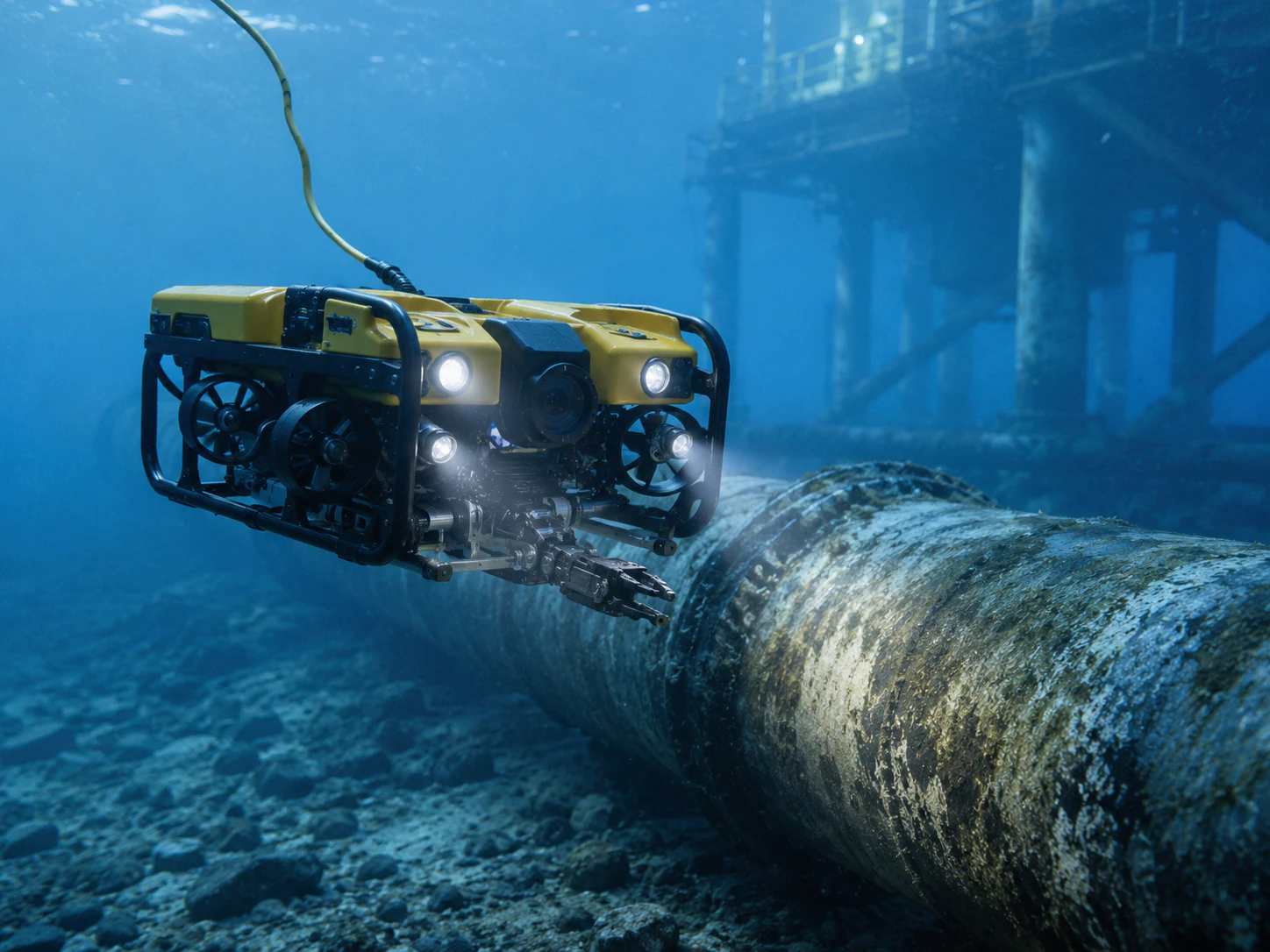
Approach against or across current as the approved plan requires, hold a stable heading, and avoid thruster wash that creates a new sediment cloud. Use slow, repeatable passes and deliberate pauses. Record the vehicle state and view direction so the same area can be revisited.
If cleaning is required to expose a surface, separate pre-cleaning and post-cleaning evidence. Define the permitted method, area, force, containment, coating risk, and owner approval. Cleaning can alter the appearance being documented and may not be appropriate for a potable-water or sensitive asset.
Add a scale only when its plane and position support the measurement. Twin lasers, rulers, known hardware, sonar range, or photogrammetric methods each have assumptions. A scale floating in front of an oblique surface does not automatically yield a defensible dimension.
Hand Off to Sonar Without Losing Location
Use imaging sonar when the camera cannot navigate, reacquire, or establish surrounding geometry. Synchronize the sonar and video clocks, record mount offsets and settings, and capture a context view before closing on the target. The ROV sonar inspection workflow provides the contact register and reacquisition method.
Sonar does not restore optical material detail; it changes the measurement. State which question the acoustic image answers and which remains for another method.
Accept the Configuration in Representative Water
Create a target panel or known asset features that represent line thickness, texture, contrast, color where relevant, scale, recessed geometry, and reflective surfaces. Test different standoffs, headings, lighting geometries, motion states, turbidity conditions, and sonar handoffs. Preserve both successful and unusable results.
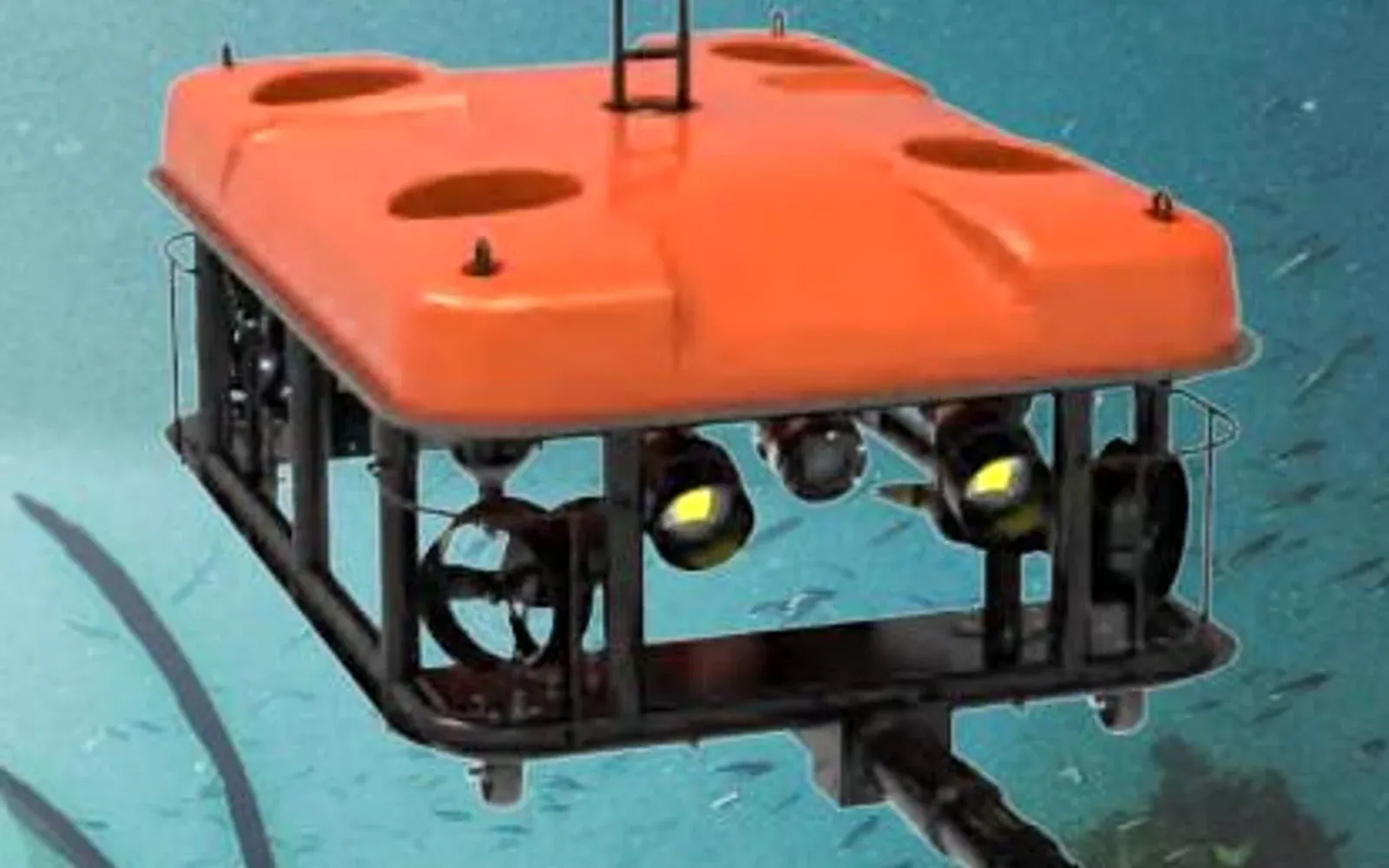
Use the G70 ROV and SNR-C400 imaging sonar as candidate elements to test against the actual feature requirement. The underwater portfolio, port and water-security solution, and resource center support configuration, wet-test, and evidence planning.
FAQs
Why can brighter ROV lights make turbid-water video worse?
Suspended particles can scatter light back toward the lens, producing a bright veil. Moving lights away from the optical axis, reducing standoff, changing angle, and controlling output may improve contrast.
What camera specification matters most in low visibility water?
No single number decides performance. Sensor sensitivity, lens and field of view, housing port, exposure behavior, lighting geometry, stabilization, recording quality, and the required feature size must be tested together.
When should an ROV inspection switch from camera to sonar?
Switch when optical imagery cannot reliably support navigation, target reacquisition, coverage, or the required feature decision within the approved standoff and operating conditions.