A drone searchlight should be specified at the scene, not at the LED. The operational question is whether the installed aircraft and light can place usable illumination on a target for long enough—without blinding crews, flattening camera detail, compromising aircraft control or confusing task lighting with required anti-collision lighting.
Table of Contents
- 1. Define the Illuminated Task and Target Plane
- 2. Specify Illuminance, Beam Geometry, and Uniformity
- 3. Calculate Aircraft, Payload, and Endurance as One Configuration
- 4. Separate Task Light From Anti-Collision Lighting
- 5. Control Glare, Shadows, Rotor Wash, and Scene Interference
- 6. Coordinate the Light Through Incident Command
- 7. Accept the Configuration in a Realistic Night Exercise
- 8. FAQs
1. Define the Illuminated Task and Target Plane
Name the task before choosing a light: search a field, illuminate a landing or access route, support a rescue team, mark a location, observe a roof or provide temporary area light. Define the target plane, area, likely color and reflectivity, required recognition detail, viewing team and camera use.
The beam may need to move with a search pattern or remain stable over an operation. Write minimum useful time and repositioning behavior. A narrow intense spot may find a distant object but creates hard shadows and little area context. A broad beam improves context but needs more optical power to deliver the same target illuminance.
| Mission | Optical requirement | Flight requirement | Principal risk |
|---|---|---|---|
| Wide-area visual search | Usable illuminance over a defined sweep and controlled spill | Smooth gimbal or aircraft scan, stable altitude and crew cueing | Missed gaps and glare toward searchers |
| Static scene illumination | Uniform area and repeatable aim point | Long hover with reserve and quick relief-aircraft handoff | Endurance shortfall and moving shadows |
| Distant target indication | Controlled narrow beam and recognizable aim | Accurate pointing and positive target confirmation | Pointing at the wrong person, vehicle or aircraft |
| Support to detailed work | High local uniformity and camera-compatible spectrum | Stable geometry outside the crew’s hazard zone | Glare, rotor wash and loss of depth cues |
Convert these needs into an acceptance scene. “High-power searchlight” and a lumen figure do not state what the responder can see.
2. Specify Illuminance, Beam Geometry, and Uniformity
Measure illuminance in lux on the target plane at representative slant range and beam angle. Record the center, edge and usable-area minimum, not just the brightest point. Document beam width, spill, aim repeatability, color characteristics where they affect the task, dimming steps and thermal behavior.
Illuminance falls rapidly as distance increases, and oblique incidence spreads the beam across a larger area. Smoke, rain, mist, dust and backscatter can reduce visibility even when the light meter reports energy. Trial both direct viewing and the actual EO/IR camera because auto-exposure may turn a bright spot into lost highlight detail and black surroundings.
Create scene-specific aim limits. Keep the beam away from road users, aircraft, occupied windows, reflective signs and ground crews’ eyes unless an approved task demands otherwise. The observer or incident commander should be able to command dim, redirect or off immediately.
3. Calculate Aircraft, Payload, and Endurance as One Configuration
The light adds mass, electrical demand, drag, heat and a new center-of-gravity condition. Ask for the installed configuration: mount, gimbal, wiring, converter, control link, light and any camera used simultaneously. Verify compatibility through the aircraft and payload supplier rather than assuming a connector makes the combination airworthy.
Measure the mission profile with the light on: launch, transit, hover in expected wind, scan or aim, return and landing reserve. Account for cold or hot conditions and battery aging. If the light has its own battery, its mass still reduces aircraft margin and its state needs monitoring.
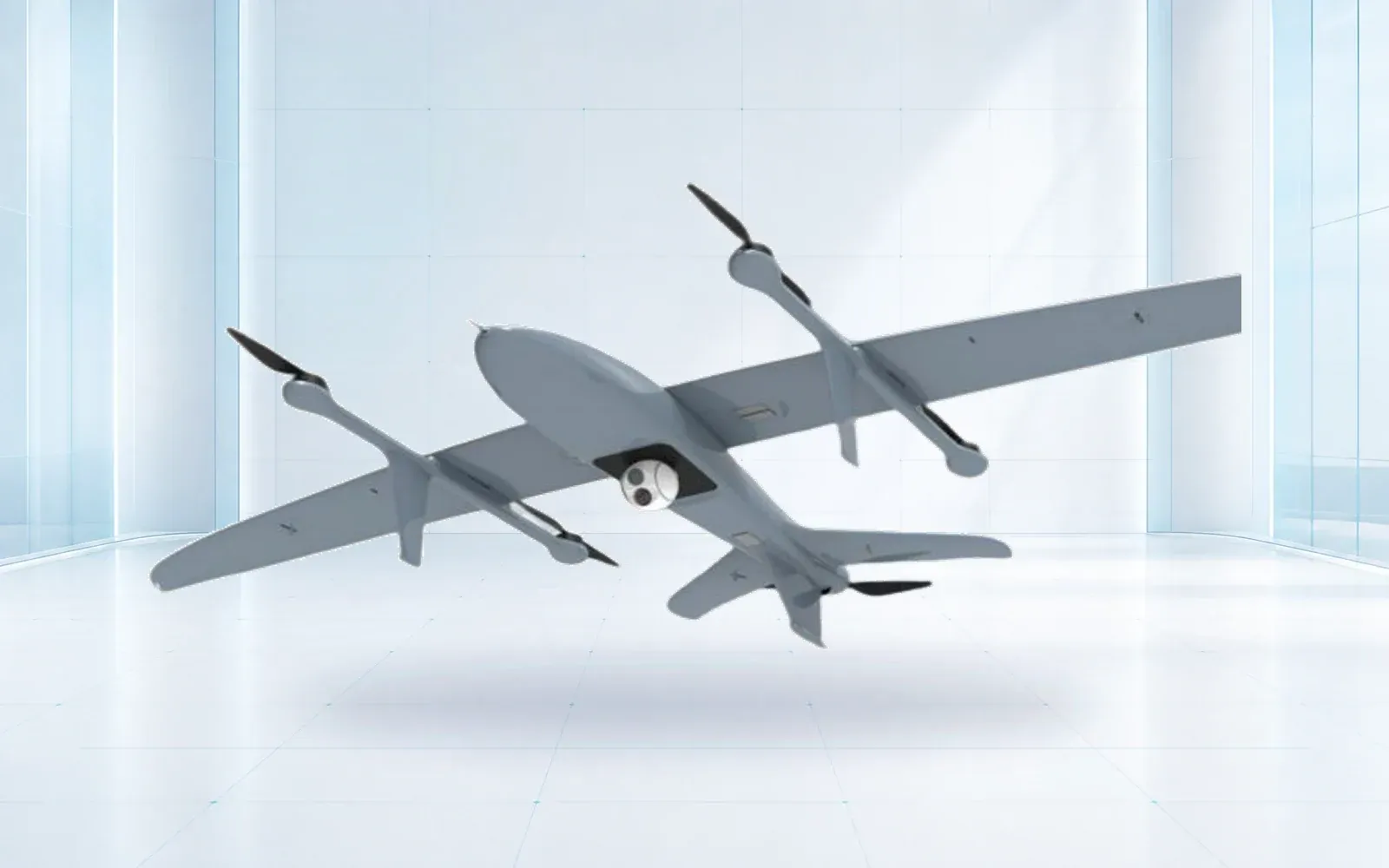
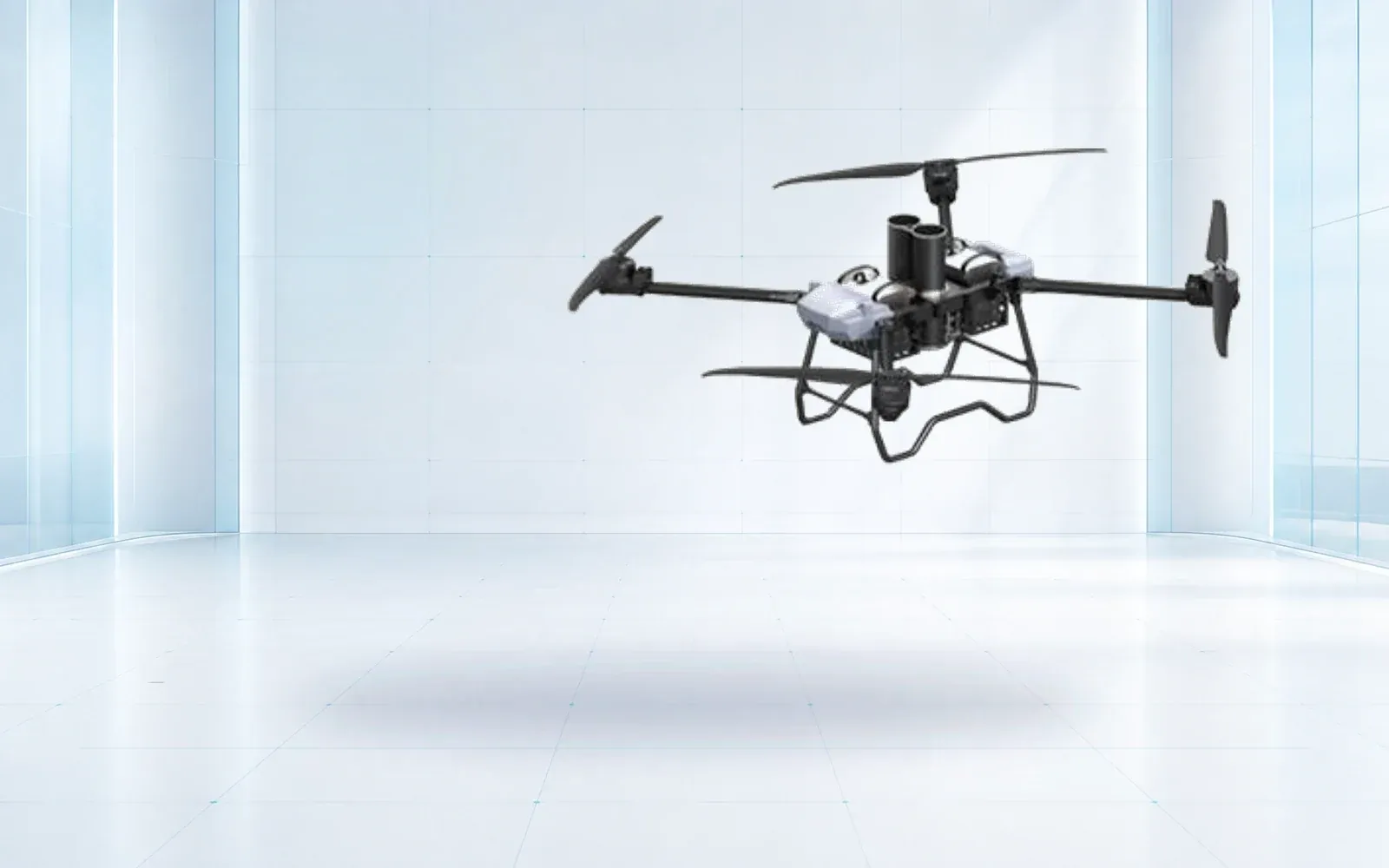
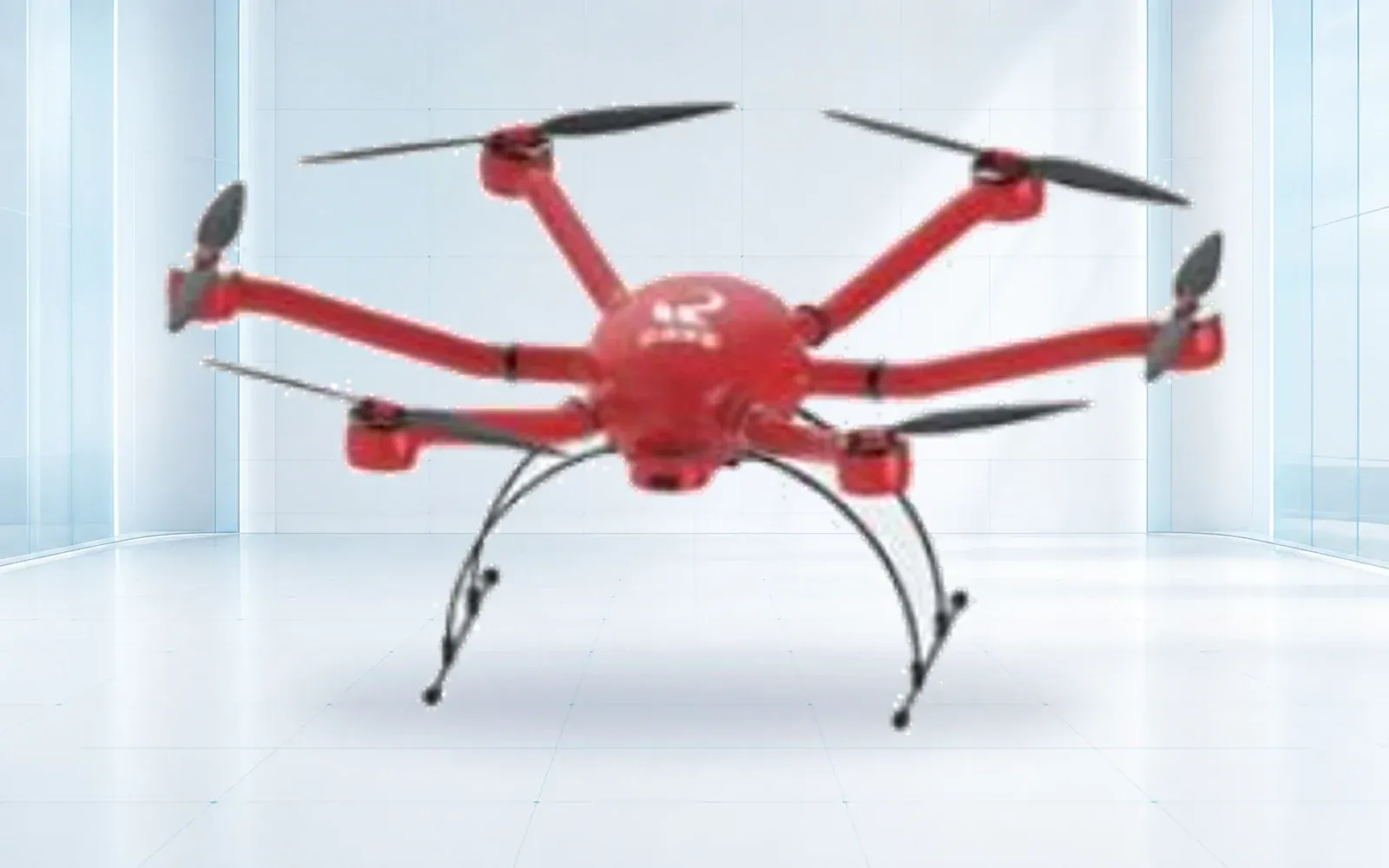
The ZJ-X13 heavy-lift platform and KT25 heavy-lift platform are reference aircraft classes for payload integration. Selection should follow installed payload, safe endurance and command architecture. The heavy-lift drone selection guide provides a configuration-level acceptance method.
4. Separate Task Light From Anti-Collision Lighting
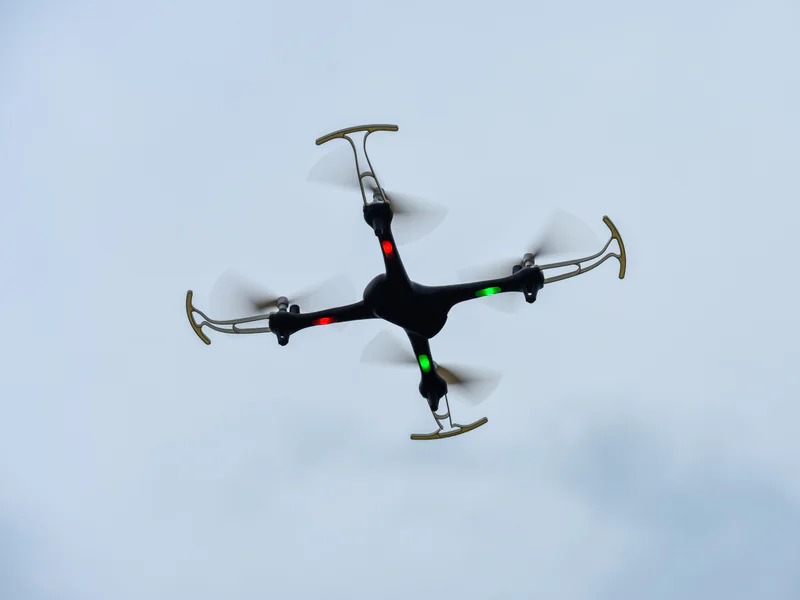
A task searchlight points at the scene. Anti-collision lighting makes the aircraft visible to others. One cannot be assumed to satisfy the other because direction, beam pattern, control and purpose differ.
For U.S. Part 107 operations, FAA’s Getting Started page states that certified remote pilots flying at night must equip the drone with anti-collision lighting visible for three statute miles. The current rule text is in 14 CFR §107.29. The pilot must also address airspace, visual line of sight and the rest of the applicable operation.
Do not aim a powerful task light in a way that makes the aircraft harder to see or destroys the crew’s dark adaptation without a defined need. Include light-state indicators in the ground interface and confirm that loss of the payload-control link leaves the task light in a safe state.
5. Control Glare, Shadows, Rotor Wash, and Scene Interference
Plan the beam and aircraft position with ground crews. A light behind a responder can cast a long moving shadow into the work area; a light near the responder’s sight line can cause disabling glare. Wet surfaces, glass, reflective PPE and road signs can return intense light toward people and cameras.
Rotor wash may move smoke, dust, loose roofing, vegetation or lightweight equipment. Noise can mask voice commands. Establish minimum separation and approach sectors with the safety officer. If the scene includes cranes, wires, hoses, ladders or other aircraft, integrate those obstacles into the air plan instead of treating the light mission as a stationary hover.
Thermal cameras may not need visible light, while the searchlight can help or hinder an RGB camera depending on angle and exposure. Define degraded modes: continue with thermal search, move the beam, dim it, return for a different payload or stop the aerial task.
6. Coordinate the Light Through Incident Command
Place searchlight control inside the incident communications plan. Name who requests illumination, who approves the target, who operates the aircraft and light, and who can call an immediate blackout. Use plain scene references and confirm before illuminating a person, vehicle, residence or sensitive area.
The FAA’s current public-safety UAS page explains the operational paths and notes that controlled-airspace authorization can still be required for night operations. Agencies should choose the appropriate operating authority and document pilot, aircraft, airspace and mission readiness before an incident.
The emergency response drone program guide covers governance, command and evidence across the larger program. Use the disaster and emergency response solution to connect aerial illumination with detection, mapping, communications and ground action rather than procuring the light as an isolated accessory.
7. Accept the Configuration in a Realistic Night Exercise
Build targets with different reflectivity and detail at near, nominal and far ranges. Measure center and edge illuminance, usable beam area, aim error, camera recognition, start-up time, dimming, thermal reduction and endurance with reserve. Include wind, moisture or haze where safe and relevant.
Place ground users at expected sight lines and record glare, shadow movement, communications and ability to request repositioning. Exercise payload-control loss, gimbal limit, light failure, aircraft swap and urgent blackout. Confirm that required aircraft lighting remains visible in every task-light state.
Accept a configuration and operating envelope, not a standalone lumen claim. Review the industrial UAV portfolio and contact OMNI UXV with the target area, required illuminance, hover geometry, aircraft basis, scene hazards and command workflow for a night acceptance exercise.
8. FAQs
How bright should a drone searchlight be?
Specify illuminance and uniformity on the target plane at representative distance and angle, plus minimum useful beam area. Lumens describe source output but do not establish how much usable light reaches the task.
How much does a searchlight reduce drone endurance?
The effect depends on light power, payload mass and drag, aircraft configuration, temperature, wind, hover point and reserve policy. Measure endurance with the installed light operating in a representative mission profile.
Can a drone searchlight replace anti-collision lighting for night flight?
No. A task searchlight illuminates the scene, while anti-collision lighting makes the aircraft conspicuous. The operation must meet the applicable night-flight requirement independently of the task light.
How should an emergency agency test glare and shadows?
Run a night exercise with pilots, camera operators and ground crews at realistic distances and sight lines. Measure target illuminance, observe glare and shadow movement, test camera exposure, and practice repositioning or extinguishing the beam on command.