US drone Remote ID compliance is a configuration and operating responsibility, not a sticker added at procurement. Fleet managers need to connect the aircraft, accepted declaration, Remote ID serial number, registration record and preflight procedure. Remote ID does not grant permission to fly, approve a BVLOS mission or establish that a detected drone is harmless.
Table of Contents
- Separate Identification from Permission to Fly
- Choose the Applicable Compliance Path
- Build an Aircraft-Level Compliance File
- Keep declarations and installations separate
- Check the Installed Configuration Before Takeoff
- Handle Changes and Failures Deliberately
- Coordinate with Site Security Without Overclaiming
- FAQs
Separate Identification from Permission to Fly
Remote ID broadcasts identification and location information associated with a drone operation. It is not airspace authorization, an operating certificate, permission to fly over people or approval to enter a customer’s property.
This guide addresses the United States and was reviewed on August 25, 2026. The FAA Remote ID guidance is the starting point for aircraft that are registered or required to be registered. Other jurisdictions have their own requirements, and a product advertised for one market should not be assumed to satisfy another.
For a fleet, treat the subject as a set of linked records. The purchased aircraft, installed equipment, firmware, registration entry and operational procedure need to describe the same configuration. A procurement document that says only “Remote ID included” leaves too many opportunities for mismatch.
Do not infer an exemption because an aircraft is used for a business, emergency response or public safety. Where a special authorization is relevant, retain the actual authorization and its conditions.
Choose the Applicable Compliance Path
FAA guidance describes three main routes. Their operational boundaries differ, so the cheapest hardware option may not match the intended mission.
| Route | Identification arrangement | Important operating boundary | Procurement implication |
|---|---|---|---|
| Standard Remote ID aircraft | Built-in broadcast, including aircraft and control-station information | Operate under the applicable Part 89 conditions and other flight requirements | Verify the actual aircraft and accepted compliance basis |
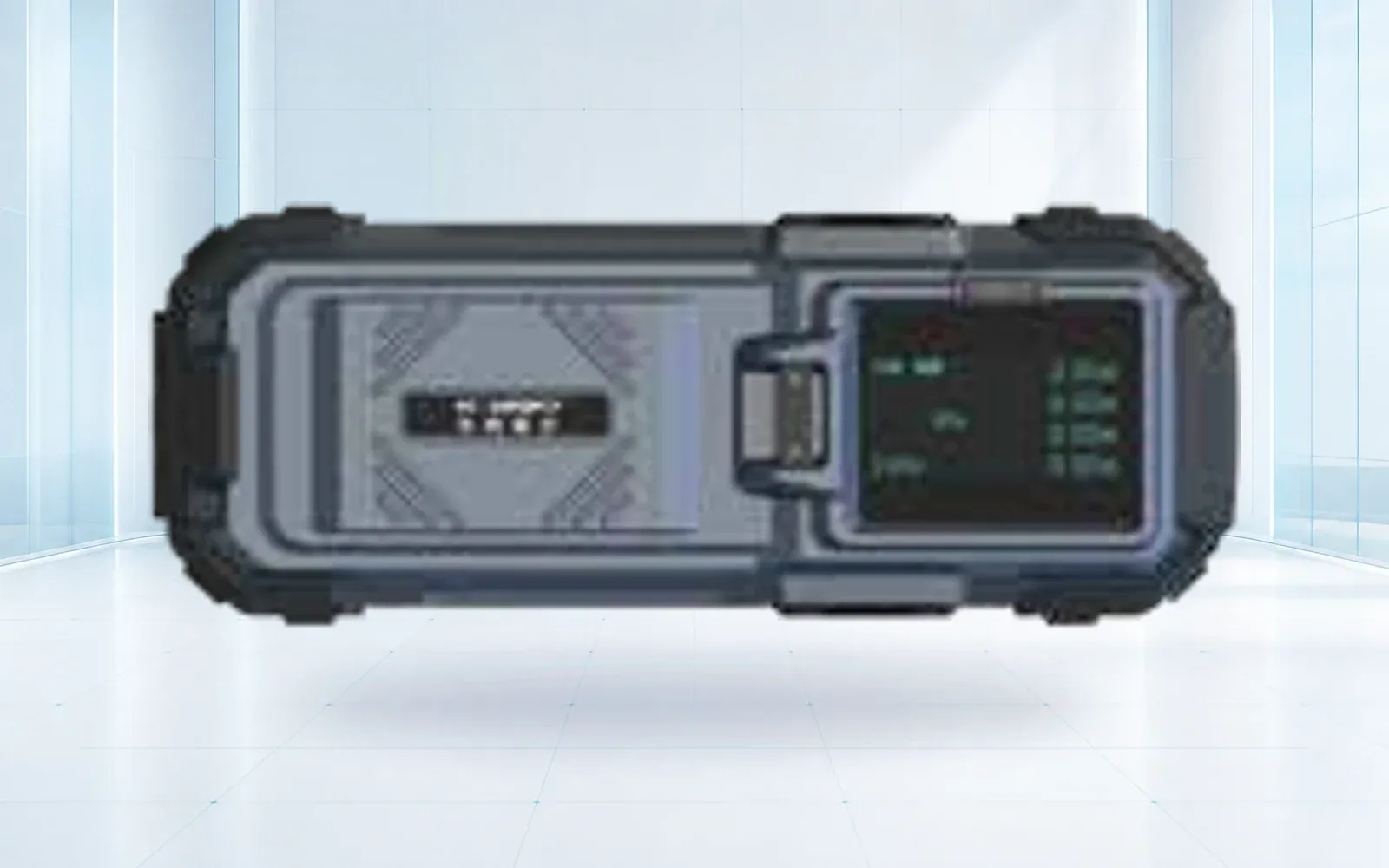
| Aircraft with a broadcast module | Installed module broadcasts aircraft and takeoff-location information | The module path requires visual line of sight unless otherwise authorized | Verify module declaration, serial number, installation and power |
| Operation in a FRIA without Remote ID equipment | Operation within an FAA-recognized geographic area | Aircraft and pilot remain inside the area and the pilot maintains visual contact | Not a general solution for a distributed industrial fleet |
The FAA FRIA page explains the geographic and visual-line-of-sight conditions and provides approved-area information. A privately controlled industrial site is not automatically a FRIA. Even inside one, airspace and other operating requirements still matter.
Standard Remote ID equipment should not be deliberately disabled simply because an operation takes place in a FRIA. Confirm the rule applicable to the actual aircraft and any specific authorization.
Build an Aircraft-Level Compliance File
Create one reviewable record per operational aircraft configuration. Keep it with the fleet maintenance and release-to-service information, not only in a purchasing folder.
The internal file should identify the make and model, airframe serial number, Remote ID serial number, relevant declaration or approval, registration record, installed module if any, firmware version and person responsible for the check. Record the date and the evidence used.
Use the FAA Declaration of Compliance database to verify the relevant product listing. Do not assume that a closely named model, another regional version or a related accessory is covered. Where the serial-number format is unclear, obtain the manufacturer’s explanation.
Keep declarations and installations separate
A declaration relates to a defined product. The fleet also needs evidence that the installed product is the intended one and that the operating setup is functional. A correct document cannot compensate for a missing module, a depleted module battery or an incorrect inventory entry.
Likewise, a procurement manager should not submit a manufacturer’s declaration on the manufacturer’s behalf. Resolve missing or unclear documentation with the supplier and FAA guidance before releasing the aircraft for the intended operation.
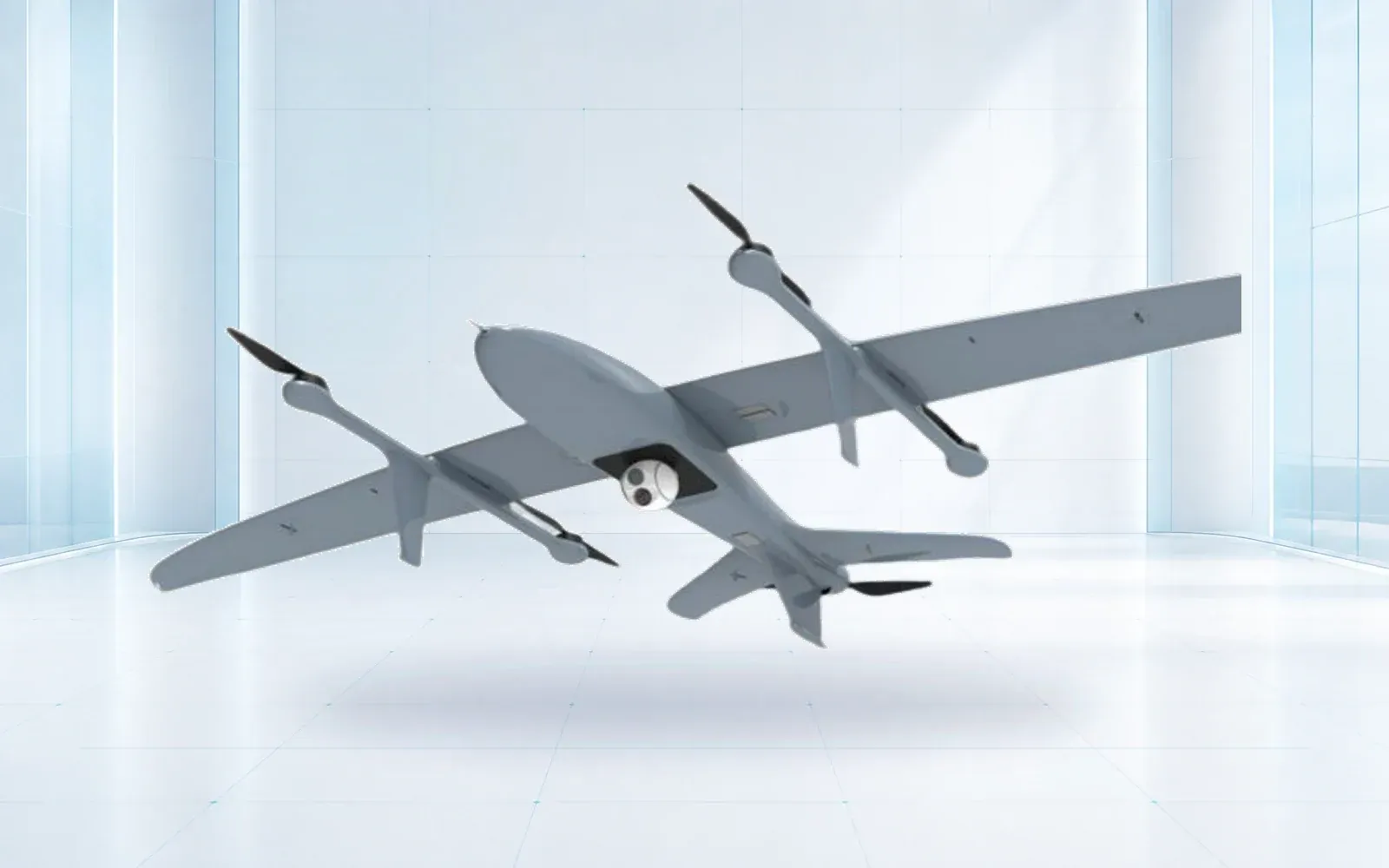
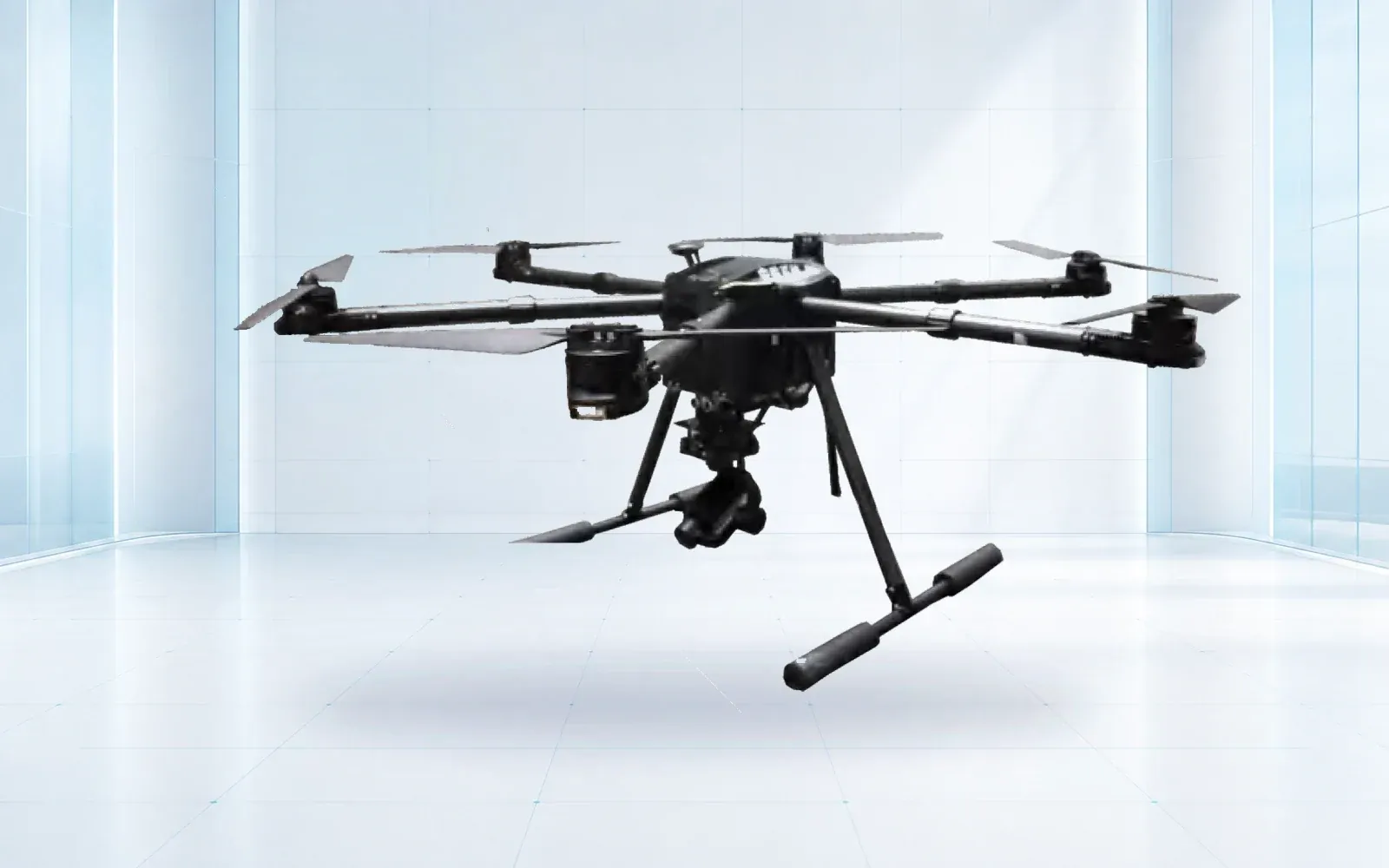
The industrial UAV catalog is a configuration starting point, not a statement that every listed aircraft has an FAA-accepted Remote ID declaration. Require model-specific evidence during a US procurement review.
Check the Installed Configuration Before Takeoff
Translate the manufacturer’s operating instructions and applicable rule into a short, repeatable preflight check. It should cover the installed equipment, required self-test or status indication, power, firmware configuration and the matching fleet record.
Where a separate module is used, evaluate the attachment and electrical arrangement as part of the aircraft configuration. Avoid improvised installations that obscure sensors, interfere with moving parts or depend on an undocumented power arrangement. Installation changes need review even if the module itself remains the same.

A phone-based receiver can be a supplementary troubleshooting aid, but receiving a signal is not a complete conformity assessment. Conversely, failure of one consumer application to display a drone does not, by itself, identify the cause. Use the equipment’s supported checks and the applicable compliance procedure.
Make the no-go decision clear to the pilot. An unresolved mismatch should not become a verbal exception because a customer is waiting.
Handle Changes and Failures Deliberately
Firmware updates, airframe replacements, module transfers and controller changes can invalidate assumptions in the compliance file. Define who reviews changes, updates the inventory and approves the revised configuration for use. Preserve the previous record so an audit can reconstruct what was flown on a particular day.
For Standard Remote ID operations, 14 CFR 89.110 requires the specified broadcast from takeoff to shutdown and landing as soon as practicable if it stops, unless otherwise authorized. The procedure should help the pilot recognize and handle that condition safely.
For the broadcast-module path, 14 CFR 89.115 includes a preflight functionality requirement, visual-contact conditions and the in-flight loss provision. Do not treat a module as a workaround for a mission that needs different operational authority.
A useful incident record describes the aircraft configuration, indication observed, time, pilot response and subsequent maintenance finding. Keep speculation out of the factual log. Releasing the aircraft again should depend on the applicable check and resolution, not merely on the warning disappearing after a restart.
Coordinate with Site Security Without Overclaiming
An industrial operator may need to tell the site security team which authorized flights are expected. Share the operational information necessary for coordination under the site’s privacy and access rules. Avoid building an unrestricted personal-location archive from broadcast observations.
Remote ID and security detection have different purposes. A received message is not proof of a person’s identity or intent, and the absence of a message on one receiver is not proof that no drone is present. The RF detector evaluation guide explains the separate limits of reception and sensing.
For a law-enforcement or public-safety program, keep operational authority, identification compliance and security response as distinct review items. A technical capability does not by itself grant a legal power.
Use the compliance library to organize the broader procurement review. For configuration planning, provide OMNI UXV with the intended US operating category, aircraft list and required compliance evidence; legal and operational authorizations remain matters for the responsible operator and relevant authorities.
FAQs
Which drones need Remote ID in the United States?
FAA guidance says drones that are required to be registered or are registered must comply with the Remote ID rule, including business, recreational and public-safety operations, subject to applicable authorizations and provisions. Check the aircraft and intended operation rather than relying on a generic weight slogan.
Can a Remote ID broadcast module be used for BVLOS?
The standard broadcast-module operating path in 14 CFR 89.115 requires the person manipulating the controls to see the aircraft throughout the operation unless otherwise authorized by the FAA. Installing a module does not itself authorize BVLOS.
Can a private facility declare itself a FRIA?
No. A FRIA is an FAA-recognized area, not a status created by a landowner or site security team. Check the FAA's approved locations and applicable conditions; separate operating and airspace requirements still apply.
What if Remote ID stops broadcasting during a flight?
For the standard and broadcast-module operating paths described in 14 CFR 89.110 and 89.115, the pilot must land as soon as practicable if the required broadcast stops. Follow the applicable authorization and safe operating procedure rather than continuing the planned mission.