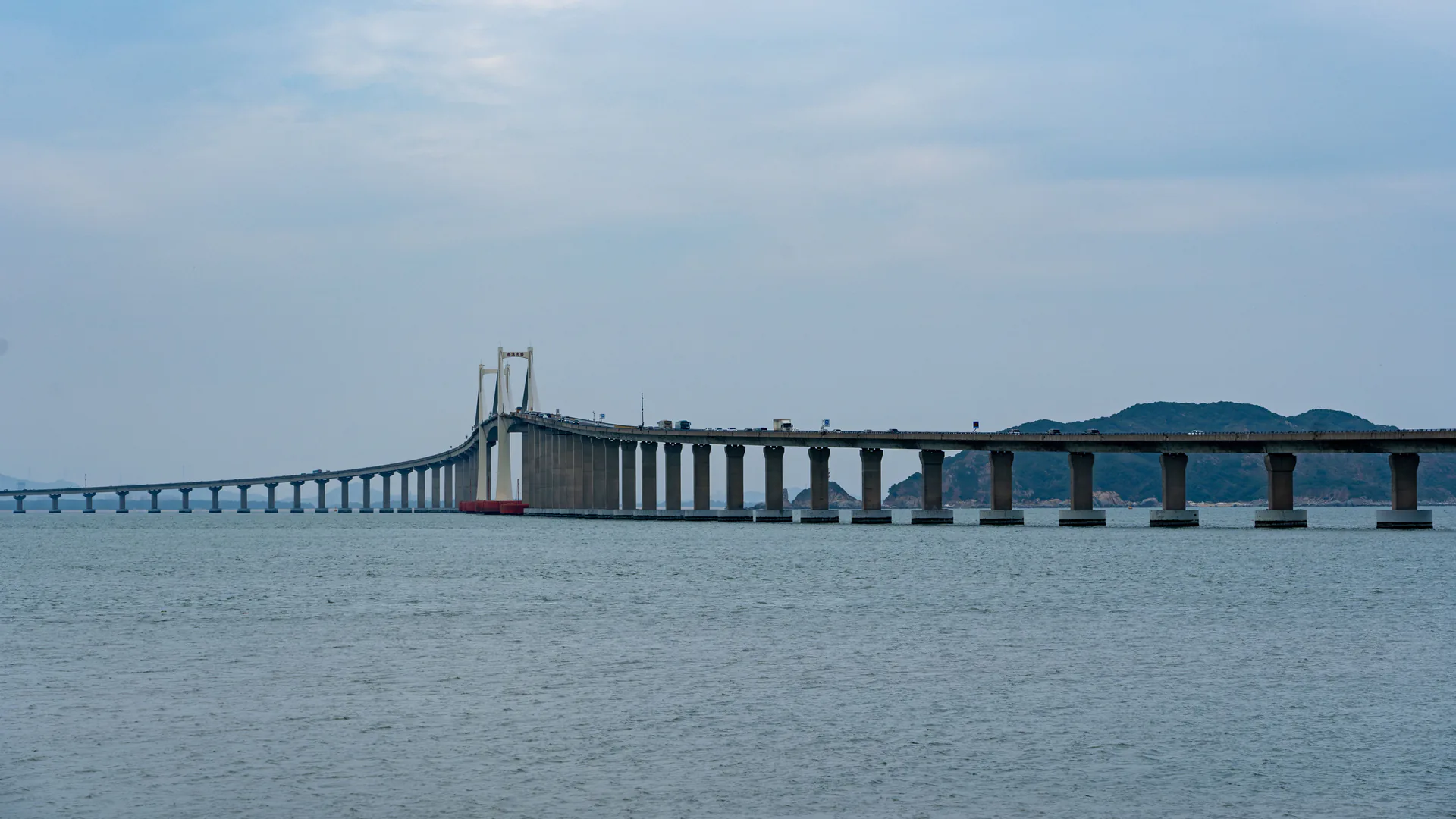
A bridge monitoring system should be built backward from an engineering decision. Sensors do not report structural health directly: they observe displacement, strain, acceleration, tilt, temperature and other quantities whose meaning depends on location, loading, environment, baseline and a documented response model.
Table of Contents
- Start With a Structural Decision and Response Model
- Match Physical Quantities to Sensors
- Design References, Baselines, and Environmental Compensation
- Set Sampling, Synchronization, and Data-Quality Rules
- Convert Thresholds Into an Engineering Escalation Workflow
- Integrate Monitoring With Inspection and Asset Records
- Commission With Baseline and Controlled-Event Tests
- FAQs
Start With a Structural Decision and Response Model
Write the decision first. Examples include whether a known movement is stable, whether a construction stage remains within predicted behavior, whether an extreme event changed response, whether a bearing or joint needs targeted inspection, or whether a temporary control should be escalated. “Monitor bridge health” is too broad to design or accept.
For each decision, identify the structural component, expected response, loads and environmental drivers, time scale, uncertainty and accountable engineer. A sensor value becomes useful only after it is compared with a model, baseline or independent observation that gives it meaning.
FHWA’s Long-Term Bridge Performance research program combines high-quality performance data, inspections, testing and monitoring to improve understanding of bridge behavior. That is the right relationship: monitoring supports asset knowledge and decisions; it is not a machine-generated replacement for engineering responsibility.
Match Physical Quantities to Sensors
Choose sensors for the physical response and the way it can be observed at the site. Two instruments that both output millimeters may measure different points, directions and spatial averages. Their readings should not be expected to match without a shared measurement model.
| Decision or question | Useful quantities | Candidate methods | Major confounders | Typical next action |
|---|---|---|---|---|
| Is global movement changing? | 3D displacement, rotation | GNSS, total station, laser or radar survey | Reference stability, atmosphere, line of sight, temperature | Survey confirmation and engineering trend review |
| Is a component responding differently to load? | Strain, deflection, acceleration | Strain gauge, displacement sensor, accelerometer | Traffic mix, speed, temperature, sensor bonding | Controlled load or targeted inspection |
| Did an event alter dynamic behavior? | Frequency, damping proxy, transient response | Synchronized accelerometers and event trigger | Operational variability, wind and processing choices | Engineer-led comparison and physical inspection |
| Is a bearing, joint or pier movement unusual? | Local displacement, tilt, temperature | Displacement gauge, tiltmeter, optical method, thermal reference | Restraint, solar heating and local geometry | Component inspection and maintenance review |
| Is a prestressing system changing? | Tendon force or correlated strain | Method-specific embedded or fiber-optic sensing | Installation, calibration and interpretation model | Specialist evaluation under the approved method |
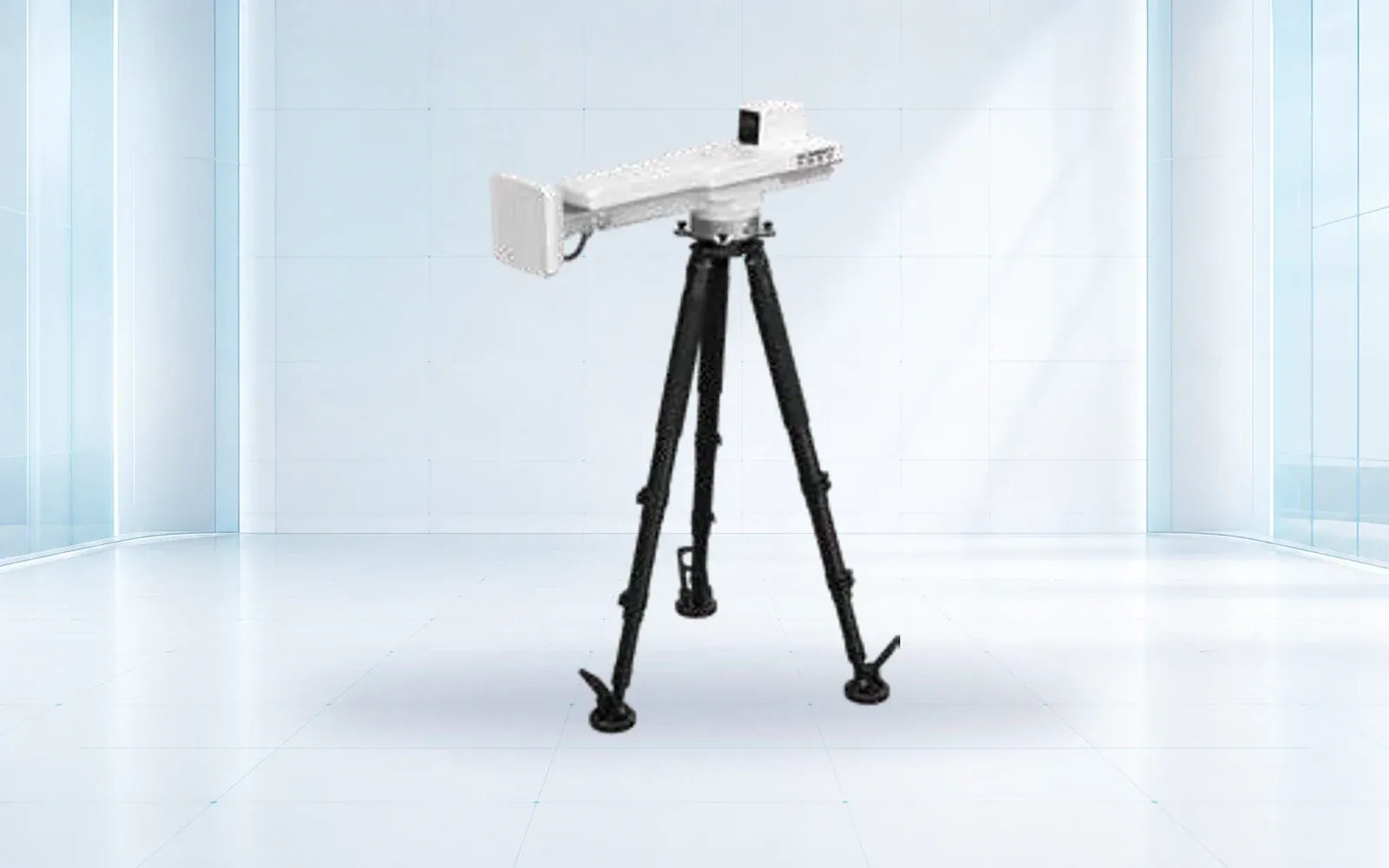
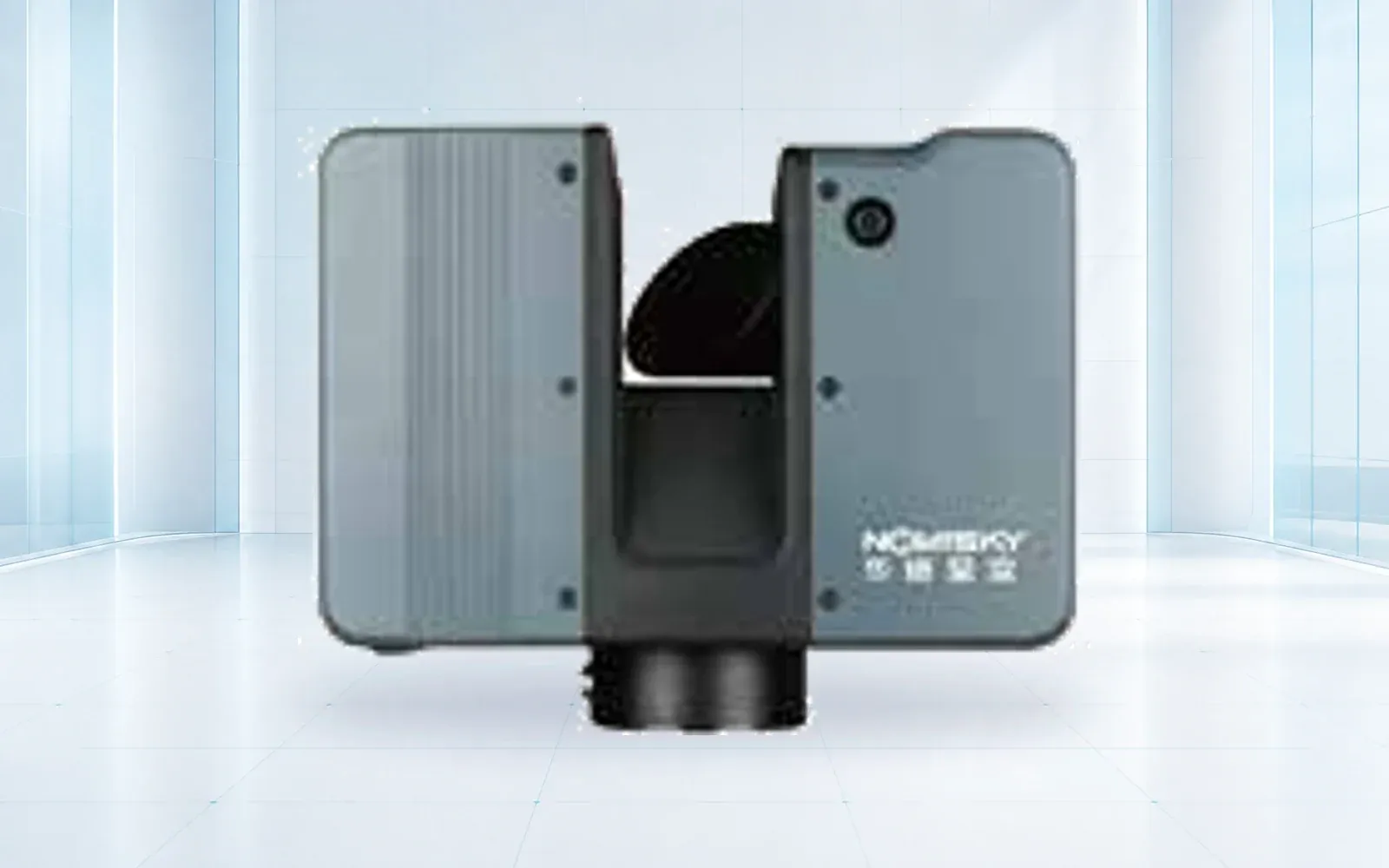
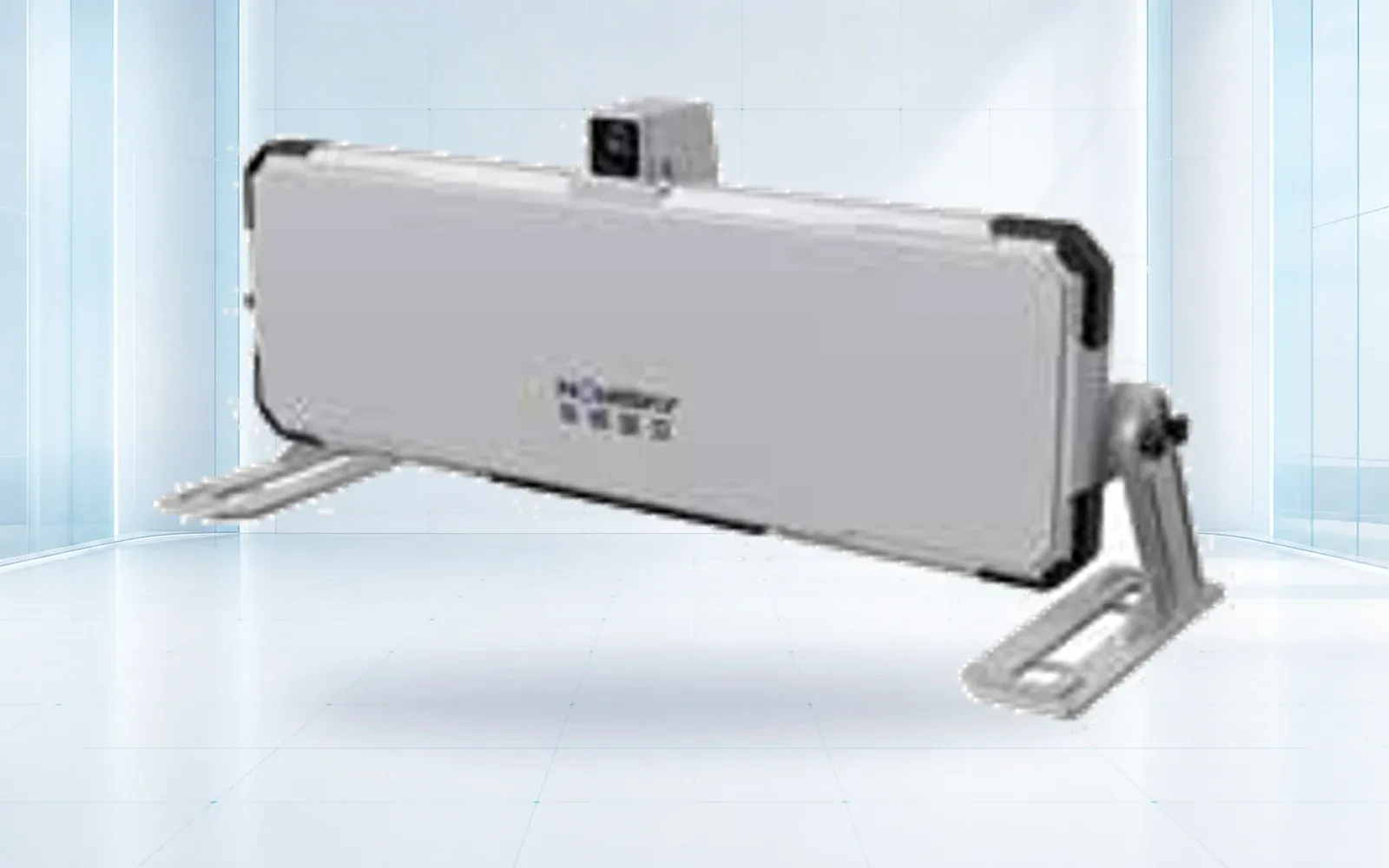
The HAWK-G902 GNSS receiver can represent fixed-point displacement monitoring, the HAWK-RL1500 laser scanner a surface survey role, and the HAWK-R5 radar non-contact area observation where geometry fits. Compare their actual proposed configuration, reference, sampling, weather limits and interfaces against the measurement plan.
Design References, Baselines, and Environmental Compensation
A reference must be more stable than the movement being measured and verified independently. GNSS needs a coordinate and reference-station strategy. Optical and radar methods need stable control and line of sight. Local sensors need mounting that transfers the intended physical response without introducing slip, creep or temperature artifacts.
Collect baseline data across representative traffic, temperature, wind and operating conditions before setting behavioral thresholds. A few quiet days are rarely enough for a long-span bridge with seasonal expansion. Retain the raw environmental variables needed to explain normal movement; a correction model without its inputs cannot be audited later.
Do not remove every environmental correlation automatically. Temperature and wind are real loads, and changed sensitivity to them may carry engineering information. Preserve the original observation, corrected series, model version and residual so a reviewer can see what processing did.

Set Sampling, Synchronization, and Data-Quality Rules
Sample quickly enough to resolve the event and slowly enough to operate reliably. Static or slow deformation may be summarized over longer intervals; vehicle-induced vibration needs synchronized high-rate channels. Anti-aliasing, timestamp quality and trigger behavior belong in the specification, not only the data-science notebook.
Create separate data-quality flags for power, communications, reference health, saturation, drift, outlier rate and time synchronization. A missing value is different from a confirmed zero. Preserve that distinction through dashboards, alerts and exports.
Edge processing can reduce data volume, but it should retain event windows and enough raw evidence to reproduce important results. Define how firmware, configuration and analytical models are versioned. If a threshold or filter changes, the system should record when and by whom rather than silently reshaping the historical series.
FHWA research on wireless sensors for structural health monitoring describes measurements such as acceleration, strain, displacement and tilt and the value of comparison with baseline conditions. It also shows why lifecycle design matters: installation effort, spatial density, power and communications constrain what a network can sustain.
Convert Thresholds Into an Engineering Escalation Workflow
Use at least three kinds of logic where appropriate: data-quality limits, observation thresholds and engineering action levels. A failed reference should produce a data-quality incident, not a structural alarm. A rapid change may need faster escalation than the same magnitude accumulated slowly. Corroboration across independent sensors can strengthen confidence but should not become an excuse to ignore a valid single-channel warning.
Write the action card for every alert: who receives it, acknowledgement time, which plots and raw records are reviewed, what independent checks are made, who can change traffic or access, and how the event closes. Include nights, weekends and communications loss.
An exceedance does not by itself mean a bridge is unsafe. It means a defined observation crossed a rule and requires the response assigned by the responsible engineer. Dashboards should use that language to prevent an operations user from interpreting color as a structural verdict.
Integrate Monitoring With Inspection and Asset Records
Map every channel to bridge, component, location, direction, installation drawing, calibration and maintenance history. A replacement sensor should create a new traceable configuration while preserving the continuity decision made by the engineer.
Monitoring can target inspections after an event or explain a trend between visits. Inspection can also reveal a condition that changes the monitoring model or sensor placement. The drone bridge inspection guide covers supplementary visual evidence and the physical-examination boundary; the two systems should share component IDs without pretending their observations are equivalent.
For U.S. public-road bridges, the FHWA NBIS page remains the starting point for inspection requirements. Monitoring data can strengthen an owner’s record, but it does not automatically alter prescribed roles, procedures or intervals. Use the critical infrastructure protection solution to place structural alerts within access, communications and operational response.
Commission With Baseline and Controlled-Event Tests
Commission from sensor to decision. Verify identity, mounting and orientation; reference stability; time synchronization; expected response to a known movement or controlled event; environmental channels; communications recovery; data-quality alarms; trend calculations; notifications and evidence export.
Compare selected channels with an independent method over the range that matters. Measure repeatability, bias, noise, drift, missing data, clock error and end-to-end alert delay. Then run tabletop cases for sensor failure, threshold exceedance, extreme weather, accidental impact and a suspected structural change.
The slope-monitoring radar acceptance guide provides related test ideas for non-contact deformation, but bridge baselines and load response need their own structural model. To develop a channel and response matrix, review the deformation-monitoring portfolio and contact OMNI UXV with the bridge model, decisions, measurement locations, expected response and operating workflow.
FAQs
Which sensors are used in a bridge monitoring system?
Common options include GNSS, total stations, laser scanning, displacement gauges, tiltmeters, strain sensors, accelerometers, temperature sensors, weather instruments and traffic or load references. Selection depends on the response and decision, not a universal sensor list.
How should bridge-monitoring alarm thresholds be set?
Set thresholds from structural analysis, baseline behavior, sensor uncertainty, environmental response and an approved action plan. Use data-quality and rate-of-change logic where appropriate, and require engineering review before interpreting an exceedance as unsafe condition.
Can structural health monitoring replace bridge inspection?
No. Monitoring can reveal trends, events and changed behavior between inspections, but it does not automatically identify every defect or replace the visual, physical and qualified-person requirements of the applicable inspection program.
How fast should a bridge monitoring system sample?
Sampling must resolve the phenomenon in scope. Long-term displacement may need slower observations, while vibration or transient load response may require synchronized high-rate data. Store an appropriate processed summary without discarding the evidence needed for review.