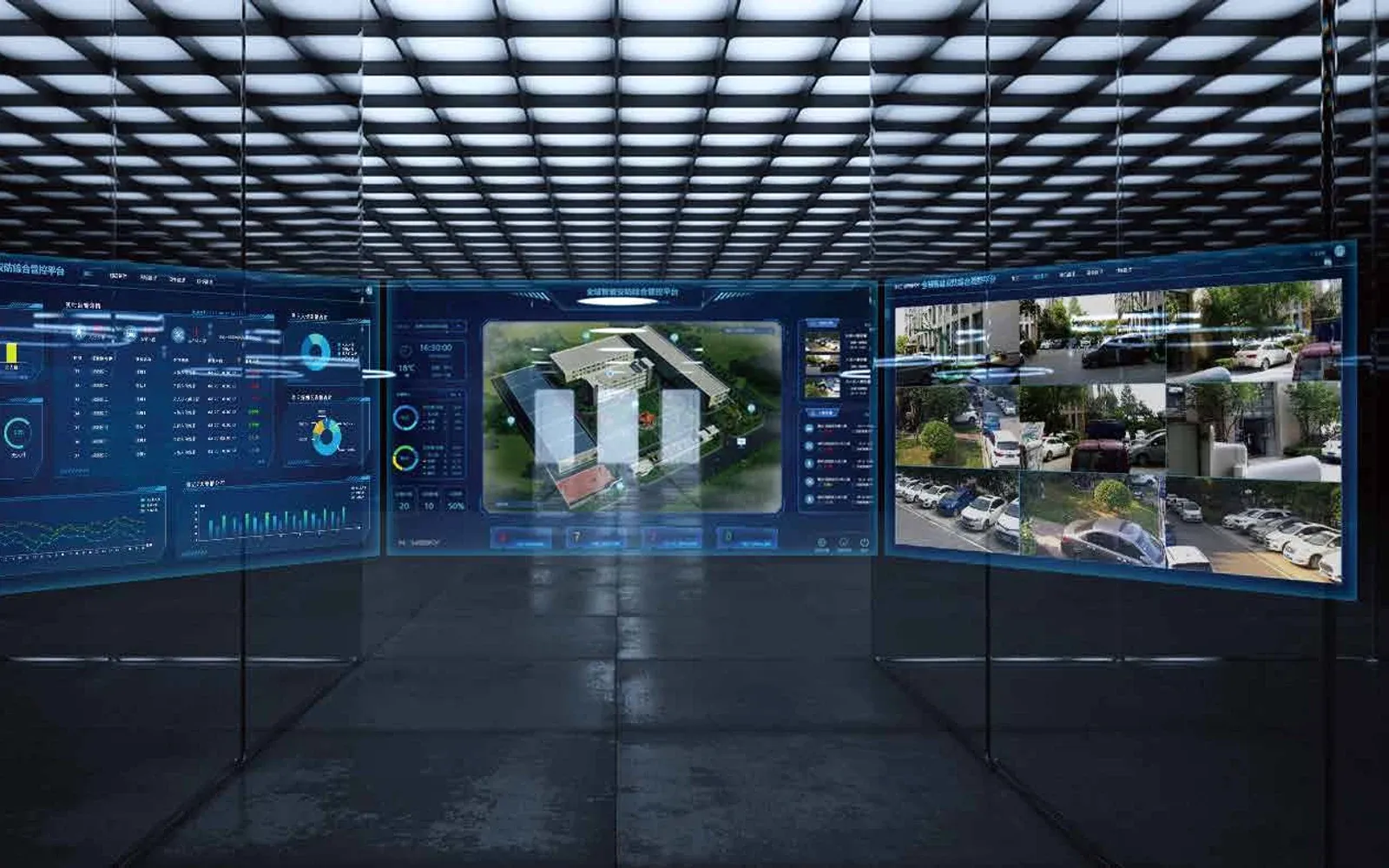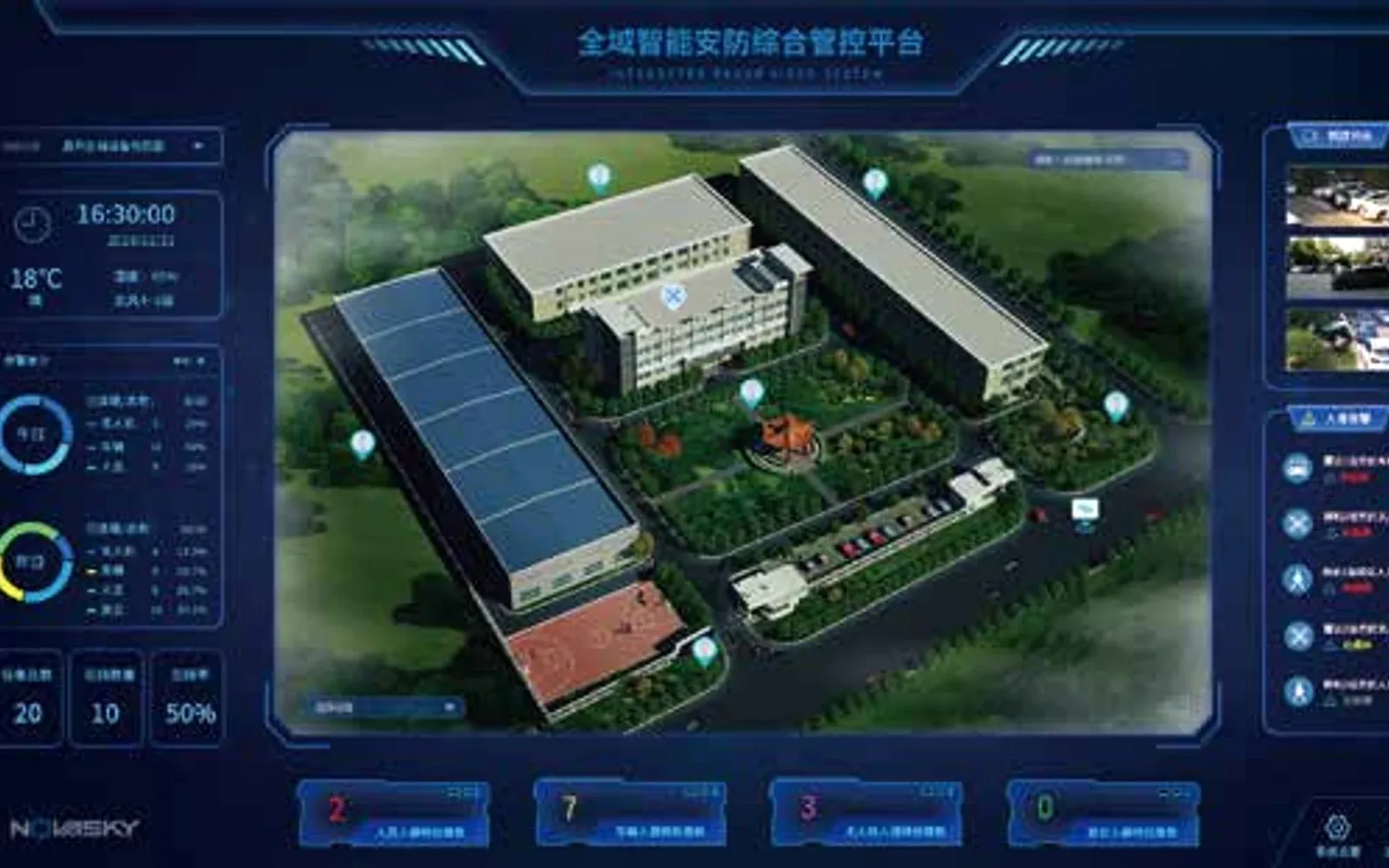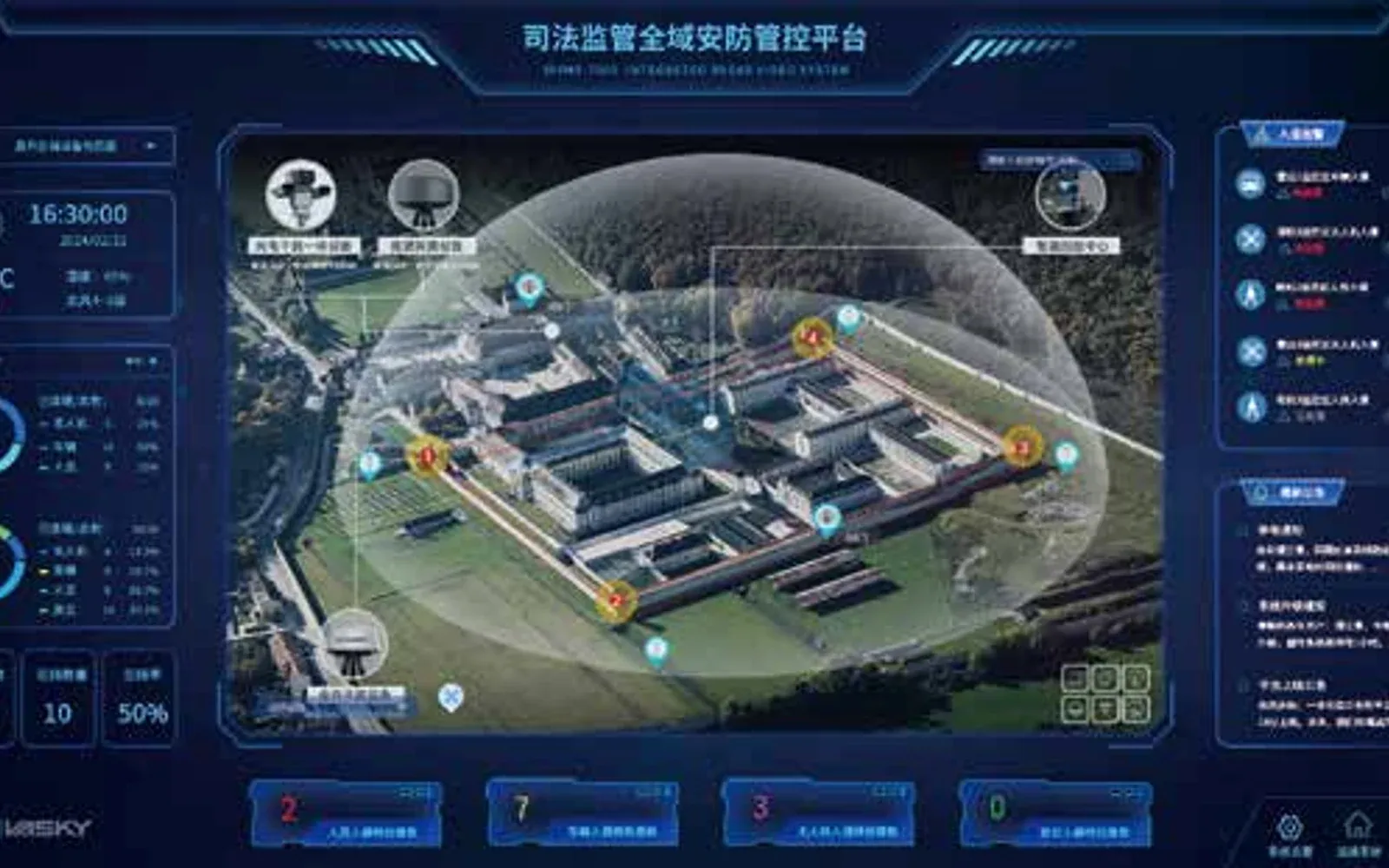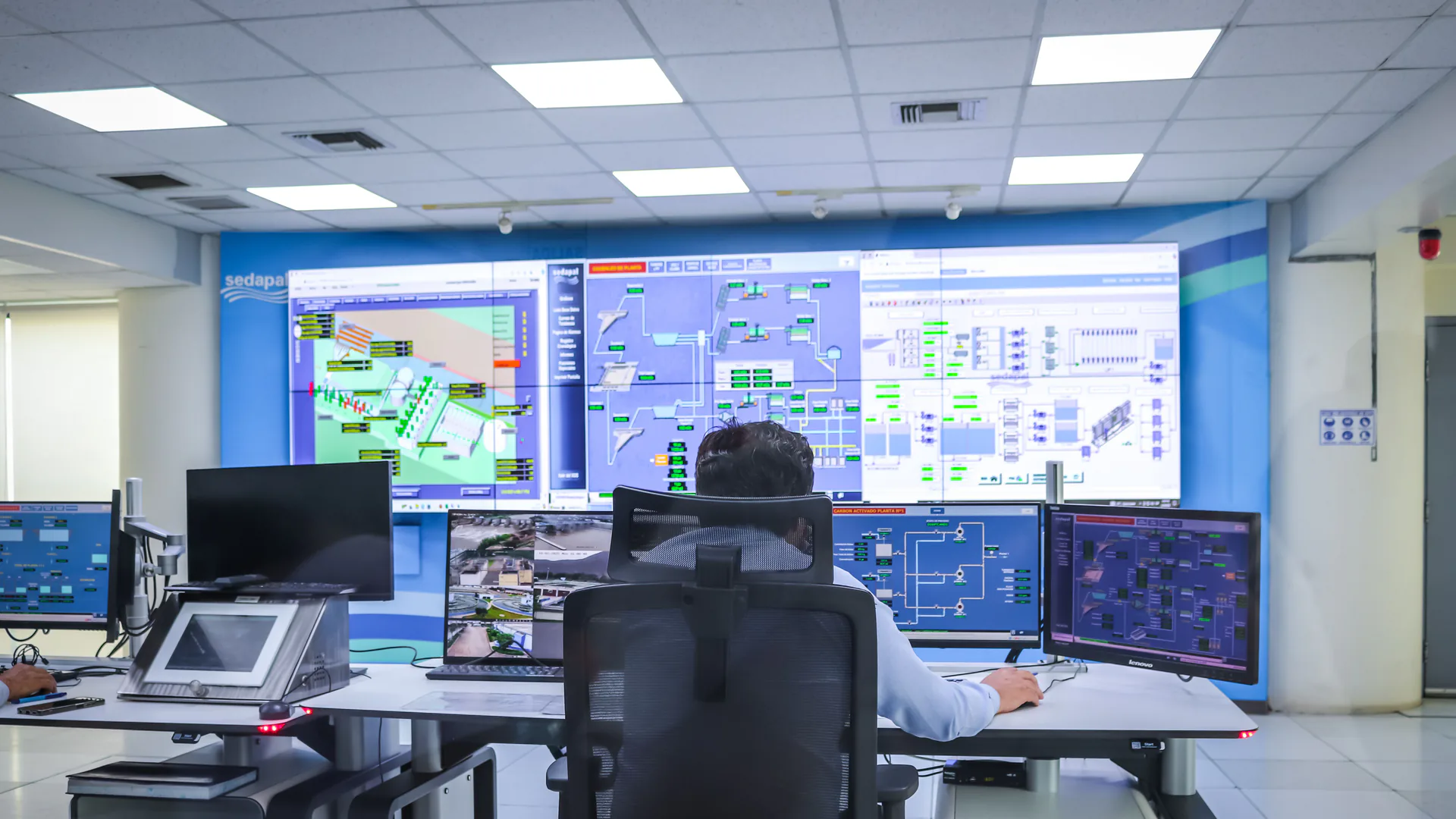
A VMS is usually the better center when the primary job is recording, finding and presenting video. Physical security information management becomes valuable when operators must coordinate video, access, radar, intrusion, GIS, communications and response into one governed incident workflow that survives partial failures.
Table of Contents
- Separate VMS, PSIM, SIEM, and Incident Management Roles
- Decide Whether the Site Has a Cross-System Operations Problem
- Compare Integration Depth, Workflow, Evidence, and Operator Load
- Design Cybersecurity, Identity, and Network Boundaries
- Map Resilience and Regulatory Duties to Verifiable Capabilities
- Compare Lifecycle Cost, Vendor Lock-In, and Connector Ownership
- Accept the Platform on Incident Outcomes and Recovery
- FAQs
Separate VMS, PSIM, SIEM, and Incident Management Roles
Start with the object each system manages. A VMS manages cameras, streams, recordings, bookmarks and video events. PSIM manages a security incident assembled from several sources and guides an operator through response. SIEM or SOAR manages cybersecurity telemetry and action. Case management preserves the longer-lived investigation, tasks and disclosure record.
| Platform | Primary object | Typical sources | Strongest role | Should not be assumed to replace |
|---|---|---|---|---|
| VMS | Camera, stream and recording | Video, analytics and camera health | Live and recorded video operations | Cross-domain incident command or cyber monitoring |
| PSIM | Physical-security event and response | VMS, access, intrusion, radar, GIS and communications | Correlation, procedure, dispatch and evidence bundle | Original sensor systems or enterprise SIEM |
| SIEM or SOAR | Cyber event and automated response | Logs, identity, endpoint, network and cloud | Cyber detection, investigation and orchestration | Video evidence management or field dispatch |
| Case management | Investigation and disposition | Selected evidence, notes, tasks and decisions | Long-term review, legal hold and reporting | Real-time sensor command and control |
Products increasingly overlap. Do not select from a feature-name checklist; define which platform owns the event, clock, identity, procedure, evidence and final disposition.
Decide Whether the Site Has a Cross-System Operations Problem
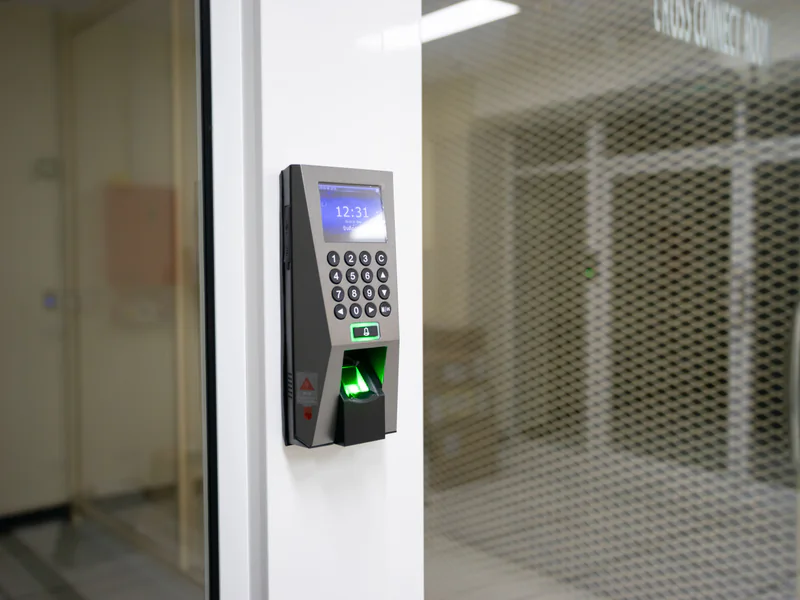
A site needs a PSIM layer when operators repeatedly combine several systems to understand one condition and the cost or risk of manual coordination is material. Examples include an access alarm that requires nearby video, a radar track, GIS location, radio dispatch and an auditable closure.
A VMS may be sufficient when video is the principal decision source, integrations are few and the same team can complete the workflow inside the VMS. Adding PSIM to a simple operation can create another database, another interface and another failure mode without improving decisions.
Interview operators using real incidents. Count system switches, duplicate data entry, missing timestamps, unclear ownership and time spent reconstructing evidence. These observations establish whether the problem is video management, cross-system coordination or an organizational process that software alone cannot fix.
Compare Integration Depth, Workflow, Evidence, and Operator Load
An integration can display a status, subscribe to events, retrieve evidence or control a device. Those are different depths. For each connector, define supported versions, authentication, fields, timestamps, commands, error states, retry behavior and ownership after an upstream upgrade.
Test operator load during event bursts, not only one scripted alarm. Correlation rules should suppress duplicates without hiding source disagreement. Procedures should expose prerequisites and authorized options rather than forcing a button sequence that no longer fits the incident.
The security platform integration checklist provides the field-level design for event IDs, time, interfaces, recovery and evidence once the platform role is chosen.
Design Cybersecurity, Identity, and Network Boundaries
Place cameras, access control, radar, servers, operator clients and external services in explicit trust zones. Define inbound and outbound connections, service accounts, certificate handling, privileged access, remote support and update paths. A platform that integrates more systems also concentrates credentials and operational knowledge.
Map human identity across platforms without creating shared administrator accounts. Record who viewed, exported, acknowledged, controlled and closed an event. Retain source logs when the integration layer changes or enriches them.
Use the NIST Cybersecurity Framework 2.0 as one governance reference and the UK NPSA’s cyber security standards comparison for physical security systems as a physical-security assurance resource. Neither is a PSIM product certification.
Map Resilience and Regulatory Duties to Verifiable Capabilities
The EU Critical Entities Resilience Directive and NIS2 Directive address different but related resilience and cybersecurity duties for entities within scope. Buying an integrated platform cannot establish compliance; it can only support selected controls and evidence in an organization’s program.
Translate duties and risk decisions into testable platform behaviors: inventory, access control, logging, backup, recovery, incident records, continuity, notification inputs and supplier management. Preserve the link between the organizational requirement and the tested configuration.
Test partial failures: upstream sensor offline, network partition, identity provider unavailable, database failover, operator-site loss and restored connectivity. Define which alerts continue, which actions are inhibited and how records reconcile after recovery.
Compare Lifecycle Cost, Vendor Lock-In, and Connector Ownership
Price licenses, servers, storage, high availability, interfaces, implementation, testing, training, monitoring, security updates, connector maintenance and evidence migration. Initial integration cost can be smaller than the recurring work required whenever a camera, access or identity platform changes.
Require an interface register with owner, supported version, data direction, test case and change notification. Specify export formats for configuration, events, evidence and audit records. At contract end, the organization should be able to retrieve required records without an active proprietary client.
OMNI UXV’s security platform category includes the IRVMS-5000, IRVMS-6000 and IRVMS-6100 as scenario-specific references. Confirm every interface, resilience and evidence capability in the offered version rather than assuming feature parity.
Accept the Platform on Incident Outcomes and Recovery
Build scenarios from real site events: authorized access with an unusual condition, forced entry, sensor disagreement, lost camera, radar cue, communications failure and evidence export. Measure time to understanding, system switches, operator actions, errors, duplicate alerts, source traceability, handoff and closure.
Then fail components while the event is active. Verify safe control behavior, continued visibility, operator warning, queued actions, recovery point, reconciliation and audit completeness. A successful demo in the normal state does not prove operational resilience.
Use the critical infrastructure protection solution for a multi-system site context and the compliance library for requirement mapping. To decide whether the project needs VMS, PSIM or a combined architecture, contact OMNI UXV with the event sources, operator roles, current systems and recovery objectives.
FAQs
What is the main difference between PSIM and VMS?
A VMS manages video devices, recordings and video-centric events. A PSIM coordinates events, procedures and evidence across multiple physical-security systems. Modern products can overlap, so the decision should be based on required workflows and tested interfaces rather than labels.
When is a VMS enough without a PSIM platform?
A VMS may be enough when video is the dominant source, non-video integrations are limited, procedures are simple, one team owns the response and the VMS can meet identity, evidence, resilience and recovery requirements without an extra layer.
Does PSIM replace a SIEM or SOC platform?
No. PSIM focuses on physical-security events and operational response, while SIEM and SOAR tools focus on cybersecurity telemetry and workflows. They may exchange incidents or context, but their trust, retention and operator boundaries should remain explicit.
Does buying PSIM make an organization NIS2 or CER compliant?
No. Those duties apply to organizations and risk-management programs within defined scopes. A platform may support records, coordination and resilience, but compliance also depends on governance, people, processes, controls, evidence and national implementation.