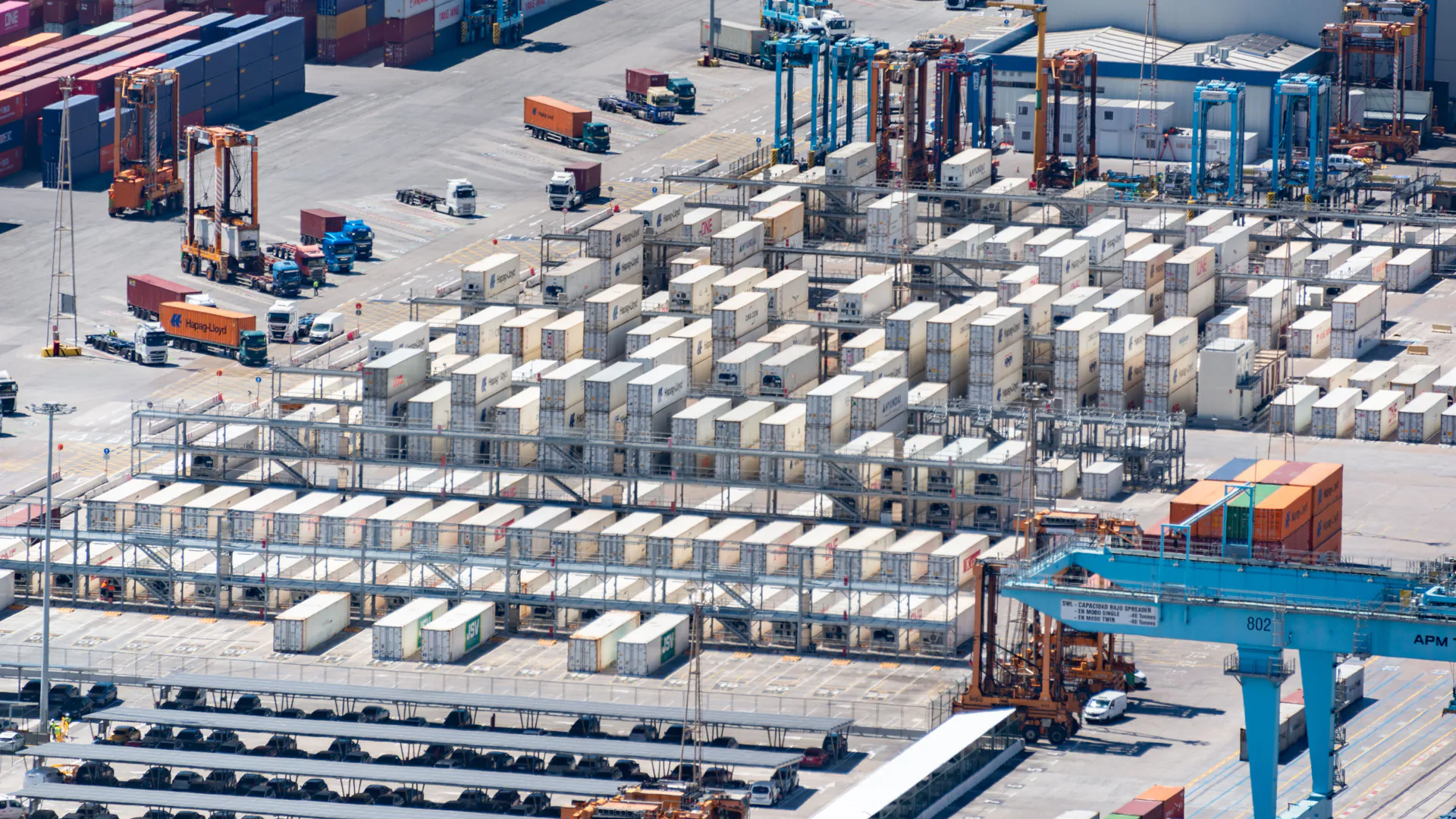
A port security system must preserve awareness and response across different physical and organizational domains: air approaches, gates, yards, quay edges, water, and submerged infrastructure. Procurement should begin with facility decisions and handoffs, then define sensing layers, cyber controls, evidence, and scenario-based acceptance.
Table of Contents
- Convert the Facility Security Assessment Into Coverage Zones
- Build Air, Landside, Waterside, and Underwater Detection Layers
- Design Cross-Domain Confirmation and Response Handoffs
- Integrate Platforms Without Creating a Cybersecurity Blind Spot
- Structure the Procurement and Grant-Ready Evidence Package
- Run Scenario-Based Factory and Site Acceptance
- Maintain Coverage as Traffic, Threats, and Infrastructure Change
- FAQs
Convert the Facility Security Assessment Into Coverage Zones
Start with the facility security assessment, applicable plan and current operations. Divide the port into decision zones: road and rail approaches, gates, passenger or cargo interfaces, storage yards, restricted areas, quay edges, anchorages, navigation channels, water intakes and submerged structures. For each, identify the event that requires a decision and the response owner.
Define targets and behaviors rather than writing “100 percent coverage.” A person crossing a fence, credential misuse at a gate, a small vessel loitering, an object attached below the waterline and an aircraft approaching a restricted area demand different sensors and authorities. Mark expected traffic and benign activity so the system is engineered for operational load.
Create a traceability matrix from assessed risk to zone, detection, confirmation, communication, response and retained evidence. This prevents an equipment line item from being mistaken for a complete mitigation.
Build Air, Landside, Waterside, and Underwater Detection Layers
Landside layers may combine access control, video, perimeter sensors, analytics and patrols. Waterside awareness can use radar, AIS-derived context, cameras and patrol assets, while recognizing that cooperative vessel data is not a detection substitute. Air awareness and counter-UAS measures require their own legal and target assessment.
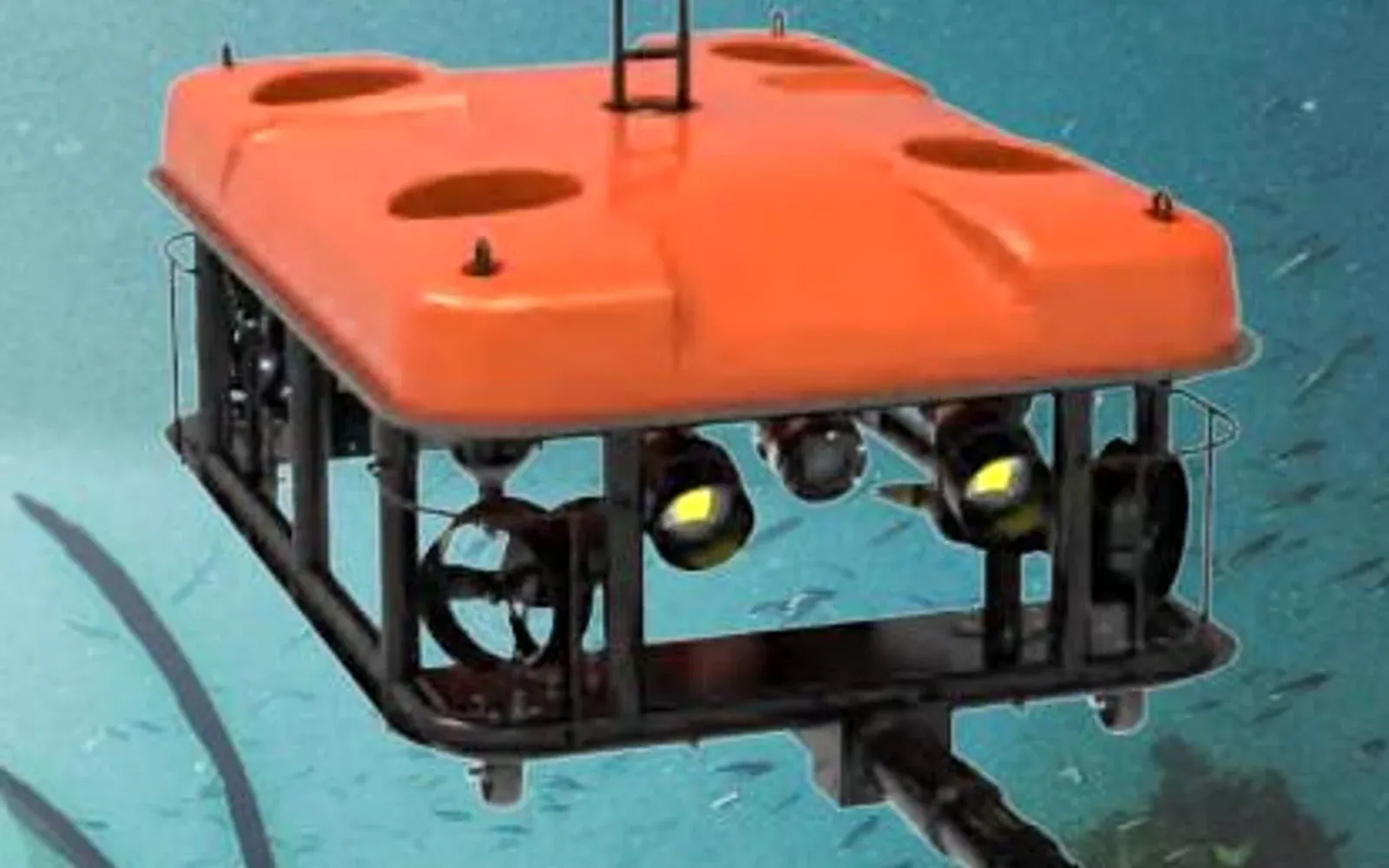
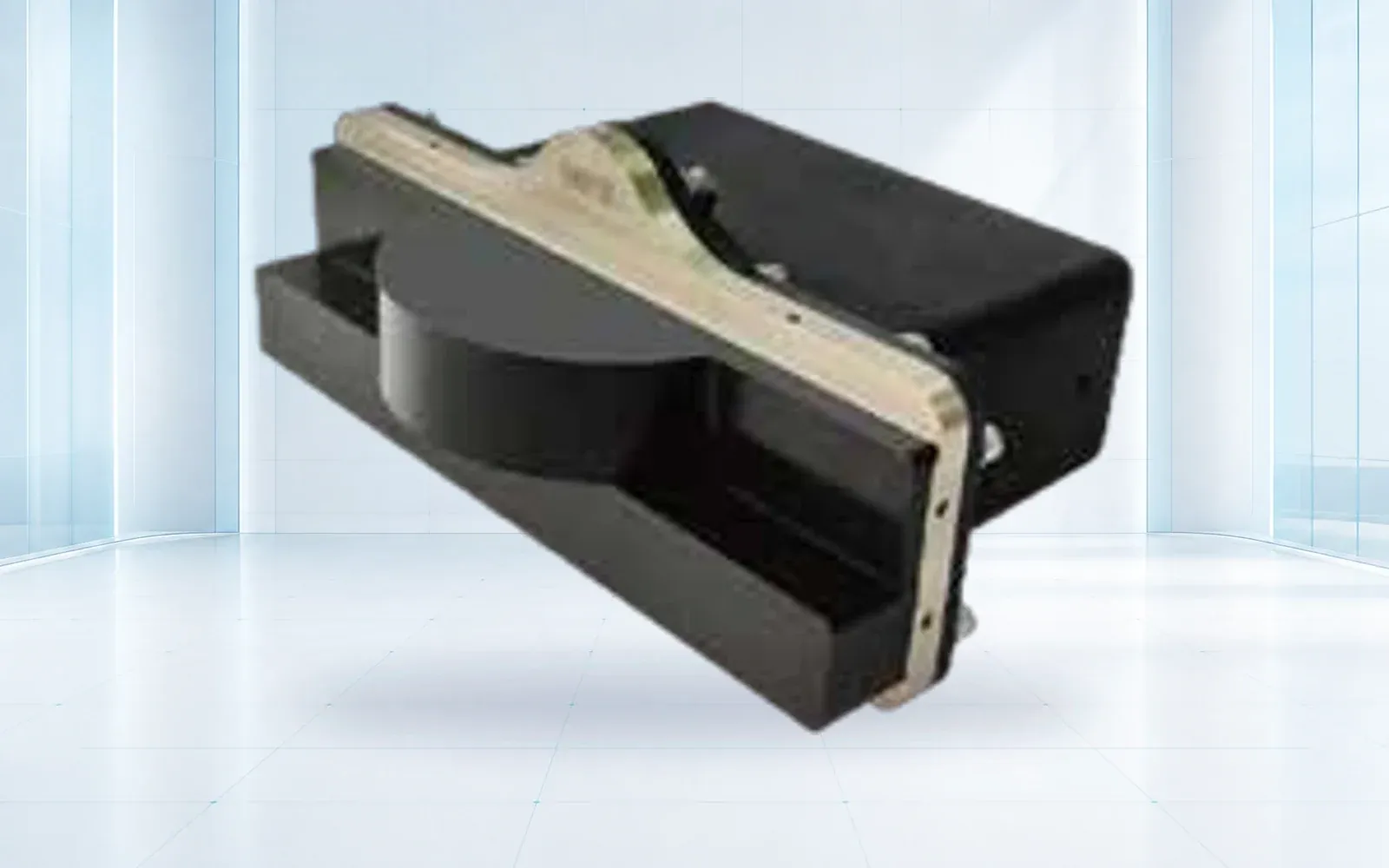
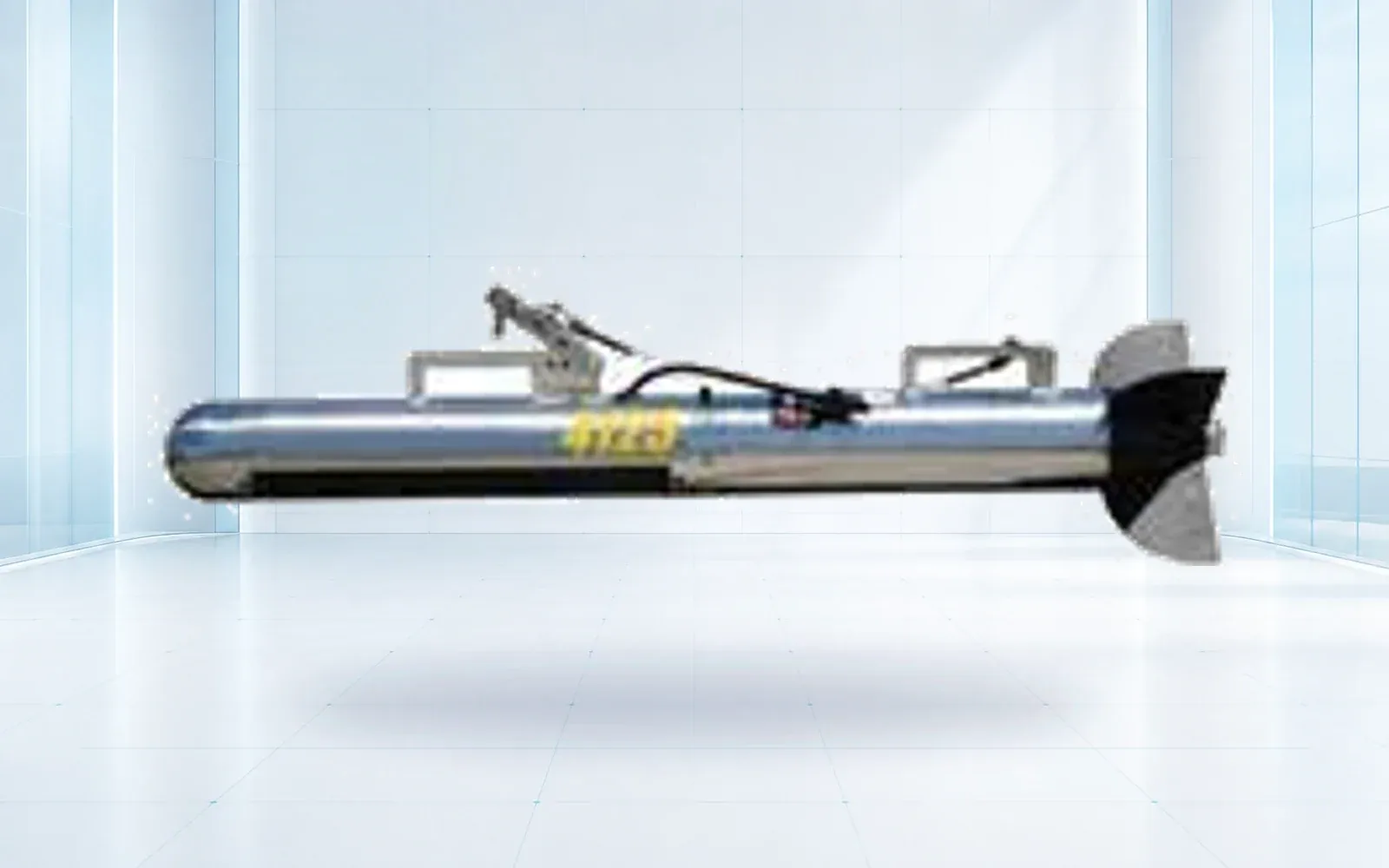
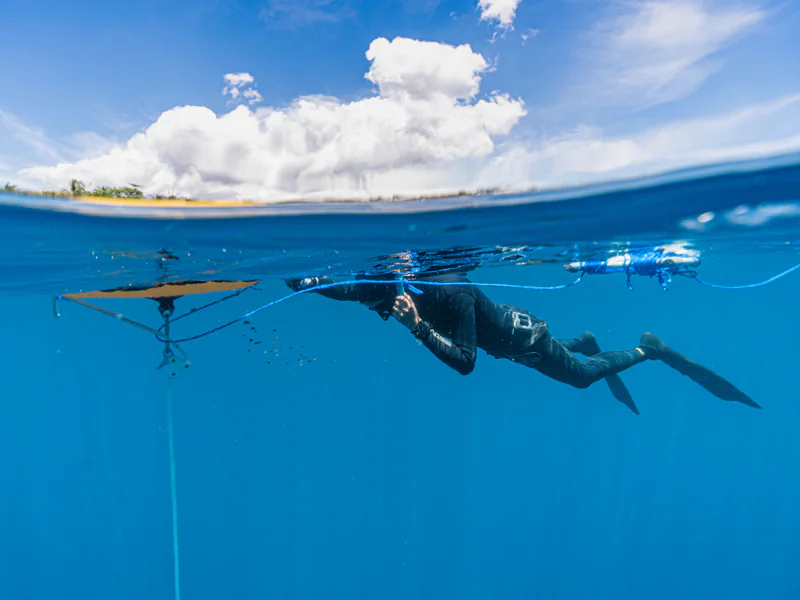
Underwater requirements depend on the asset and water. Imaging or side-scan sonar may support low-visibility observation, while an ROV can carry cameras, sonar or tools for close inspection. The SNR900U side-scan sonar and G70 work-class ROV illustrate survey and close-work configurations. Do not infer detection probability or water-current suitability without a site trial.
| Zone | Primary awareness | Confirmation | Acceptance focus |
|---|---|---|---|
| Gate and road | Access events, video and vehicle sensing | Credential/manifest review and operator video | Identity-event match and queue conditions |
| Yard and perimeter | Intrusion sensors, radar or analytics | EO/IR and patrol | Clutter, occlusion and response handoff |
| Quay and water | Maritime radar, camera and vessel context | Optical/thermal view or patrol craft | Small-target track and background traffic |
| Submerged asset | Sonar survey or deployable inspection | ROV close view and asset reference | Coverage, localization and repeatability |
| Air approach | Authorized air-awareness sensors | EO/IR and agency procedure | Target class, false alarms and lawful response |
Layering should reduce uncertainty. It should not send every raw alert to the same operator without priority, confidence or location context.
Design Cross-Domain Confirmation and Response Handoffs
Use one location model for gates, berths, waterside sectors and submerged assets. Normalize timestamps and event identifiers. The command layer should correlate a source event with relevant video, map context, nearby operations and a procedure while preserving the native source record.
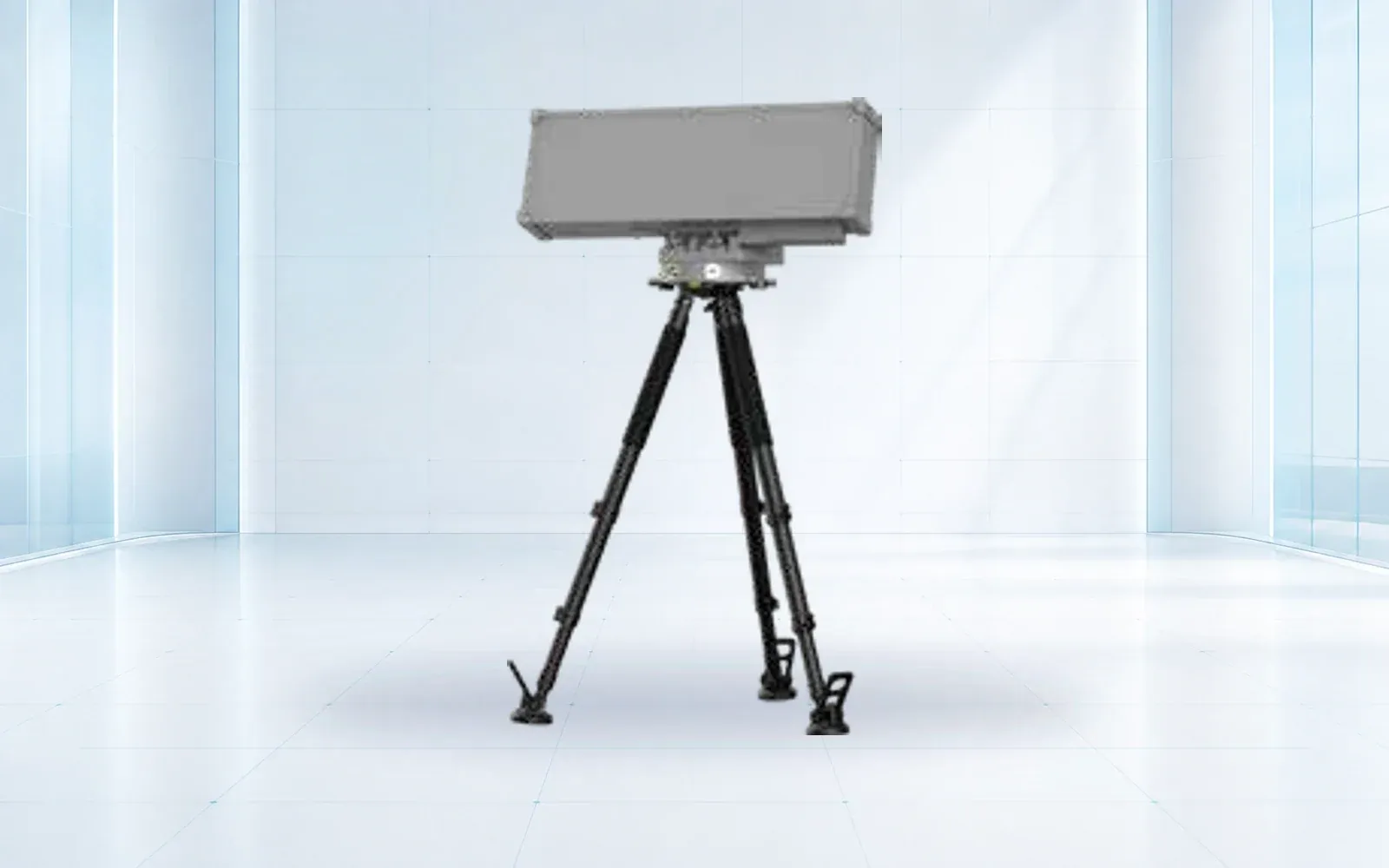
An IRVMS-6100 security platform can serve as a reference for multi-system coordination, while the NI-R5000 radar illustrates a radar input. Confirm exact interfaces, message fields and system scale for the proposed configuration.
Define handoff completion: the receiving role acknowledges the event, understands location and confidence, and has a safe response route. Test shift changes and mutual-aid communications. The port asset inspection lifecycle guide covers condition evidence; security events should link to, but not overwrite, that maintenance record.
Integrate Platforms Without Creating a Cybersecurity Blind Spot
Inventory every security and operational interface, its owner, network zone, authentication, update path and data flow. Limit privileges for cameras, access systems, radars and ROV workstations. Use monitored conduits between zones, synchronized time, protected administration, configuration backup and an incident process that includes physical-security systems.
Use the physical security software procurement guide when the unresolved decision is platform licensing, connector ownership, proof of capability or five-year integration cost. This port guide retains the facility boundary: which cross-domain events, locations and response handoffs the software must support.
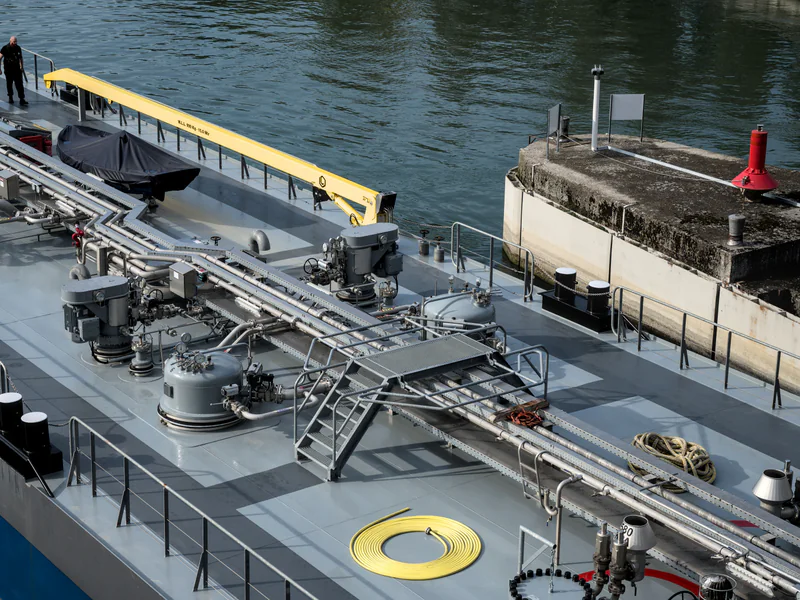
The U.S. Coast Guard’s current MTS cybersecurity final-rule implementation timeline identifies staged milestones, including training and later Cybersecurity Officer, assessment and plan requirements. Check applicability and current dates for the specific regulated entity; use them to schedule governance and procurement work, not as a generic compliance badge.
Test degraded operation: loss of wide-area network, identity service, map, one sensor, command server and time source. Operators must see health state, follow a fallback procedure and recover without losing or duplicating critical records.
Structure the Procurement and Grant-Ready Evidence Package
Build one traceability row for every funded or purchased capability. This becomes the shared control between the facility assessment, RFP, grant file, test script and operations team:
| Traceability field | Required content | Acceptance evidence |
|---|---|---|
| Assessed scenario and zone | Named event, target/behavior, location and operating background | Current assessment reference and approved scope |
| Decision and response owner | Information needed, time limit, authorized action and receiving role | Scenario workflow and acknowledgement record |
| Detection and confirmation | Primary sensor, independent confirmation and known blind conditions | Versioned configuration and representative trial |
| Interfaces and cyber boundary | Source fields, time/location model, network path, roles and logs | Interface test plus failure/recovery result |
| Sustainment | Health checks, maintenance access, training, exercises and change triggers | Owner, interval, budget line and retained record |
| Residual gap | Excluded areas/conditions and compensating procedure | Signed disposition rather than an implied coverage claim |
Define the project as an operational capability with milestones: design, interface proof, factory acceptance, site installation, training, exercise, site acceptance, documentation and sustainment. Price civil works, power, communications, cybersecurity, data migration, permits, vessels, divers, travel, spares and recurring software—not only sensors.
FEMA maintains the Port Security Grant Program landing page, and the Coast Guard published a current FY2026 Port Security Grant notice. Applicants should use the live notice and official application materials for eligibility, dates and requirements. A technically strong package traces the assessed risk to capability, measurable outcome, implementation readiness and sustainment.
Ask bidders for a five-year cost model and unit rates for expansion. Clarify data rights, interface documentation, configuration export, software support, component obsolescence and exit assistance. Require named responsibility at every vendor boundary.
Run Scenario-Based Factory and Site Acceptance
Factory acceptance verifies interfaces, event fields, maps, workflows, permissions, reporting and failure behavior before site conditions make diagnosis expensive. Use simulators and representative third-party equipment where real systems are unavailable, and identify what remains for site acceptance.
Site trials should include normal traffic and blind events across selected zones: unauthorized gate attempt, perimeter movement near clutter, small-vessel approach, waterside handoff, underwater inspection target and loss of a critical system. Score detection, false event, confirmation time, location accuracy, operator workload, communication and complete evidence record.
Test environmental and operational transitions: day/night, rain or haze where safe, vessel congestion, yard reconfiguration and shift change. Record exclusions. Acceptance is a known envelope with managed gaps, not a claim that every possible port event was tested.
Maintain Coverage as Traffic, Threats, and Infrastructure Change
Assign owners for sensor health, access lists, maps, procedures, software, training and periodic exercises. Review false events and missed or late handoffs. Retest after berth construction, crane relocation, network change, firmware upgrade, dredging, new traffic pattern or material threat-assessment change.
Use the port and water security solution to map cross-domain sensing and response, and review the security-platform category for coordination options. The resource center can organize requirements and acceptance records. For an air-land-water coverage matrix and procurement package, contact OMNI UXV with facility zones, assessed scenarios, existing systems, cyber boundaries, response roles and funding constraints.
FAQs
What should an integrated port security system include?
Its scope may include access control, video, radar, intrusion, vessel awareness, underwater inspection or detection, communications, command software and procedures selected for the facility's assessed risks.
Does every port need a permanent underwater surveillance layer?
No. The decision depends on assessed underwater threats, assets, water conditions, traffic, response capability and whether periodic inspection or deployable sensing is sufficient.
How should a grant-funded port security project define success?
Tie funded equipment to an assessed risk, measurable operational capability, implementation milestones, training, maintenance and an acceptance record rather than listing hardware alone.
What makes a port security site acceptance test representative?
It uses realistic gate, yard, quay, vessel, waterside and system-failure scenarios and scores detection, confirmation, handoff, response evidence, false events and recovery.