A police counter-drone program is not a choice between a handheld detector and a fixed radar. It is an authority-controlled workflow that must turn a detection into a coordinated response and a defensible incident record. This guide maps equipment form factors to that workflow under the current 2026 U.S. rules.
Table of Contents
Start With Mission and Authority, Not a Product List
The first procurement decision is what the agency is expected to do after an alert. A patrol officer looking for a pilot, an event team protecting a temporary venue, and a regional unit operating mitigation equipment require different authority, training and sensor coverage.
In the United States, the SAFER SKIES Act became part of the FY2026 National Defense Authorization Act. The July 6, 2026 DHS and DOJ interim final rule describes how State, local, Tribal and territorial agencies may exercise counter-UAS authority. Mitigation is not a blanket permission: the rule ties it to certification through the national schoolhouse, authorized technologies, Federal and air-traffic coordination, privacy requirements, audits and reporting. It also leaves other spectrum law in place.
That distinction should appear in the requirements document. Passive awareness, operator warning, confiscation and active mitigation are separate actions, not interchangeable features in a vendor brochure. The FAA’s guidance for airports is a useful reminder that even detection equipment can affect aviation operations and must be coordinated for the site.
Build the Detection-to-Evidence Workflow
A workable police response has five handoffs:
- detect an object or transmission;
- classify the observation and record uncertainty;
- establish location, direction and time;
- dispatch the authorized response;
- preserve the original data and every operator action.
Remote ID and RF sensors can identify cooperative signals and may help locate a controller. Radar supplies a track when an aircraft is not transmitting. EO/IR provides visual context, but only when cueing, range and visibility allow it. A command platform is valuable when it aligns these records to one clock instead of presenting four independent alarm screens.
The evidence package should preserve raw observations before an operator labels the event. “Radar track at 22:14:08” is a measurement; “hostile reconnaissance” is an assessment. Combining them in one field makes later review harder. The public-safety counter-UAS evidence workflow provides a more detailed acceptance checklist.

Match Form Factor to Coverage and Staffing
Handheld, backpack, vehicle and fixed systems are operational forms, not quality tiers. A handheld receiver can be the right tool for finding a nearby pilot even when a fixed radar has better airspace coverage.
| Form factor | Operational strength | Main limitation | Suitable mission |
|---|---|---|---|
| Handheld RF locator | One-officer deployment and pilot search | Depends on detectable transmissions | Patrol response and follow-up |
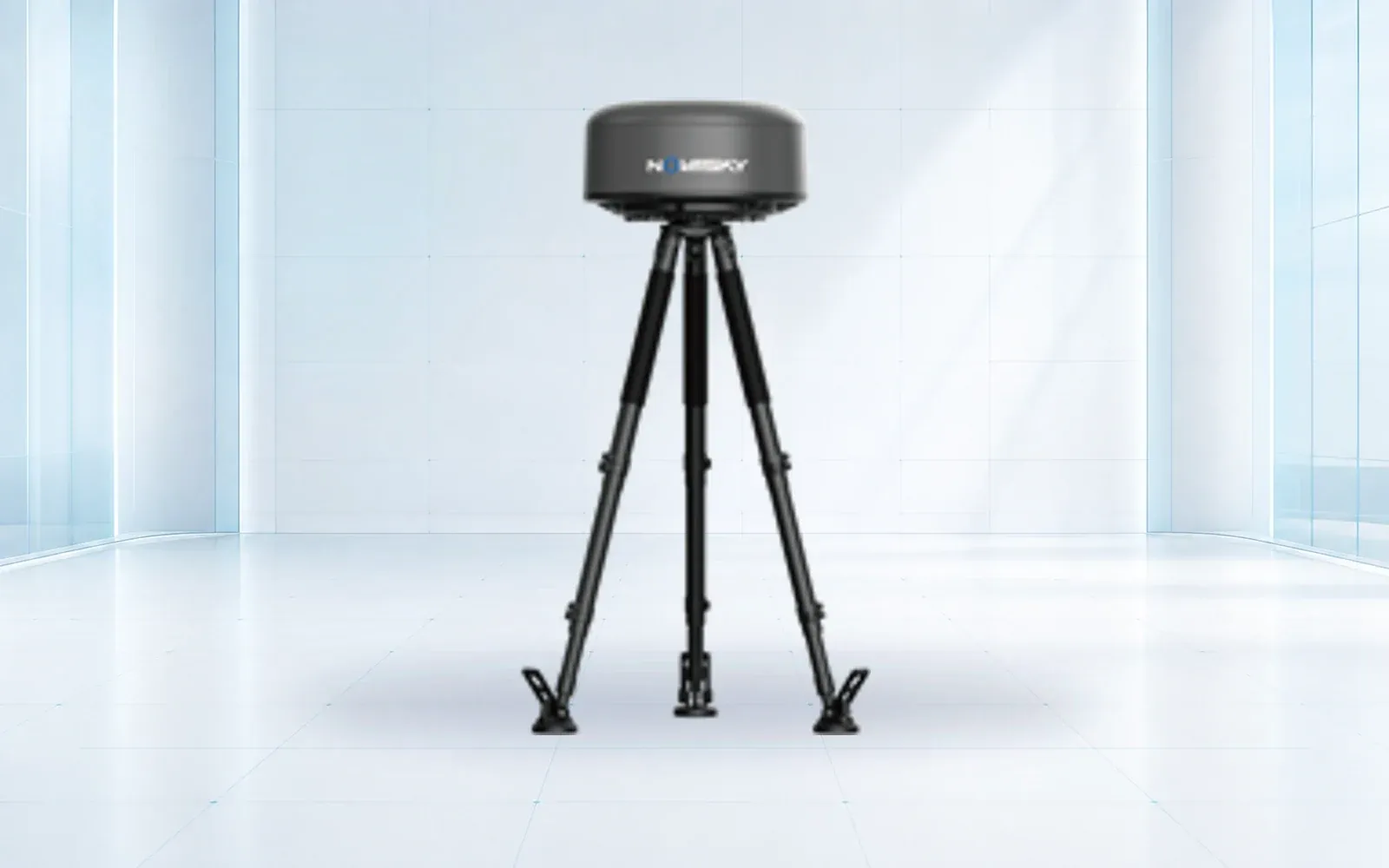
| Backpack RF system | Repositionable perimeter monitoring | Requires a trained operator and a useful vantage point | Events and temporary sites |
| Vehicle-mounted stack | Mobile power, antennas and multi-sensor integration | Crew, setup and vehicle availability | Convoys and regional response |
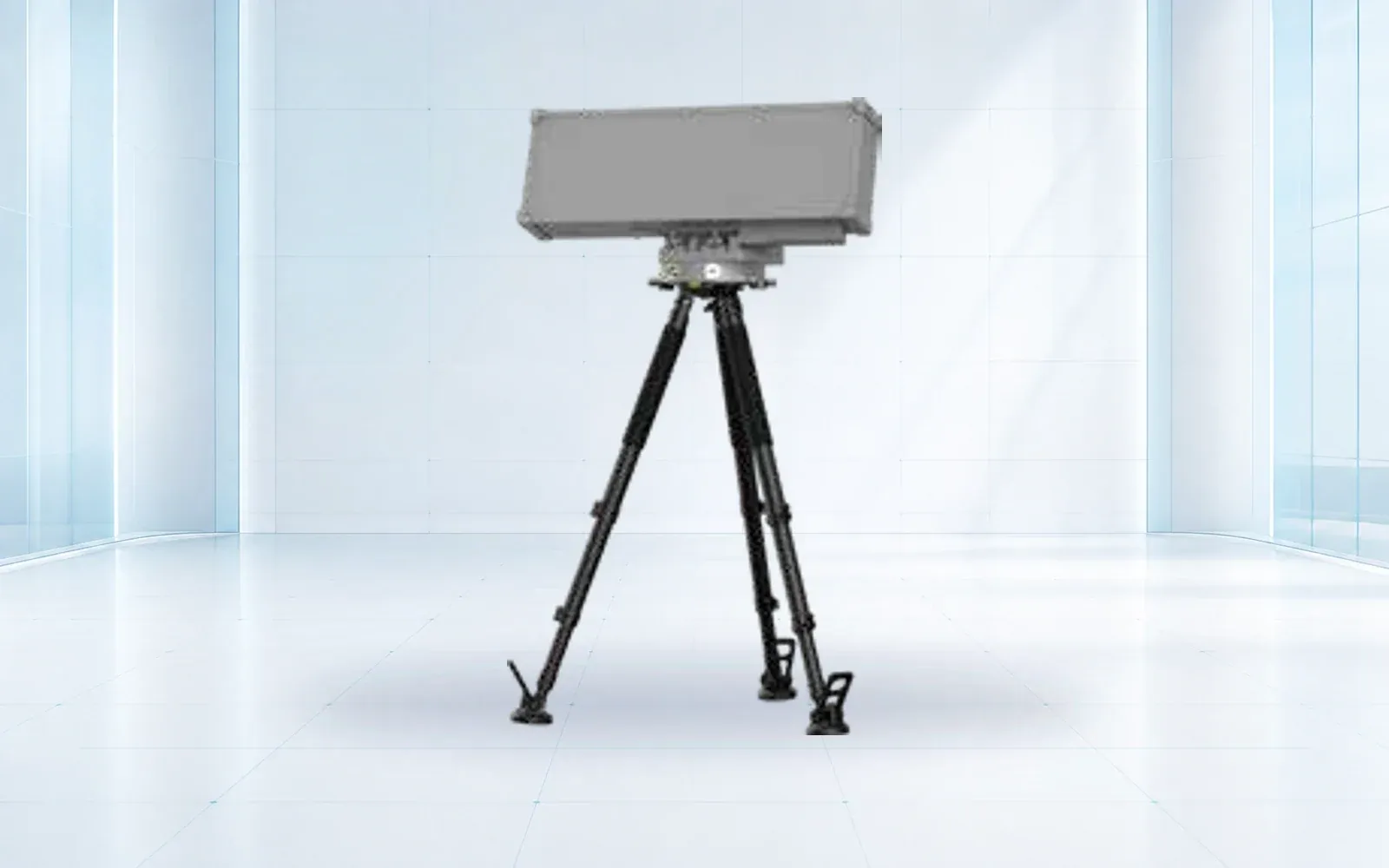
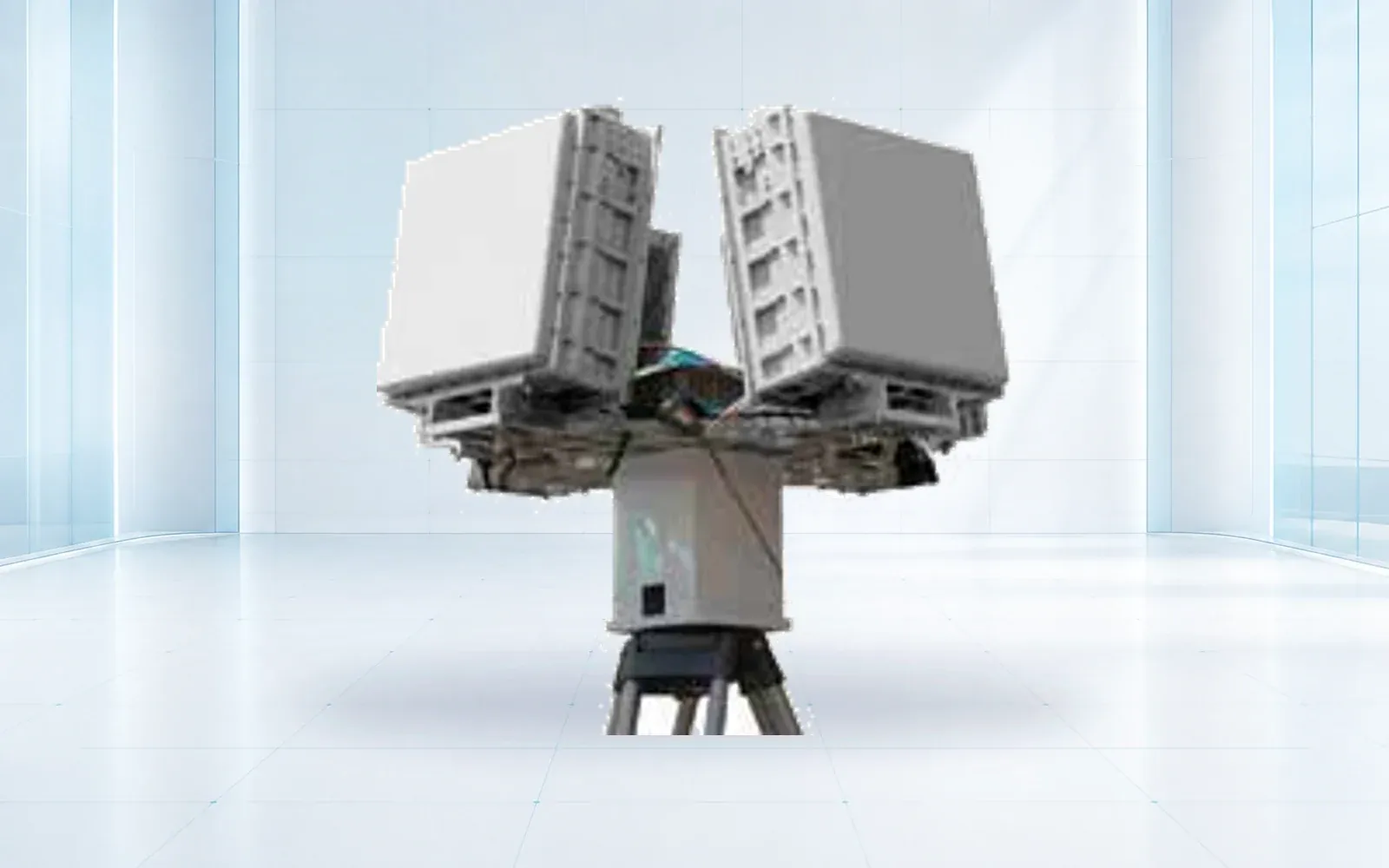
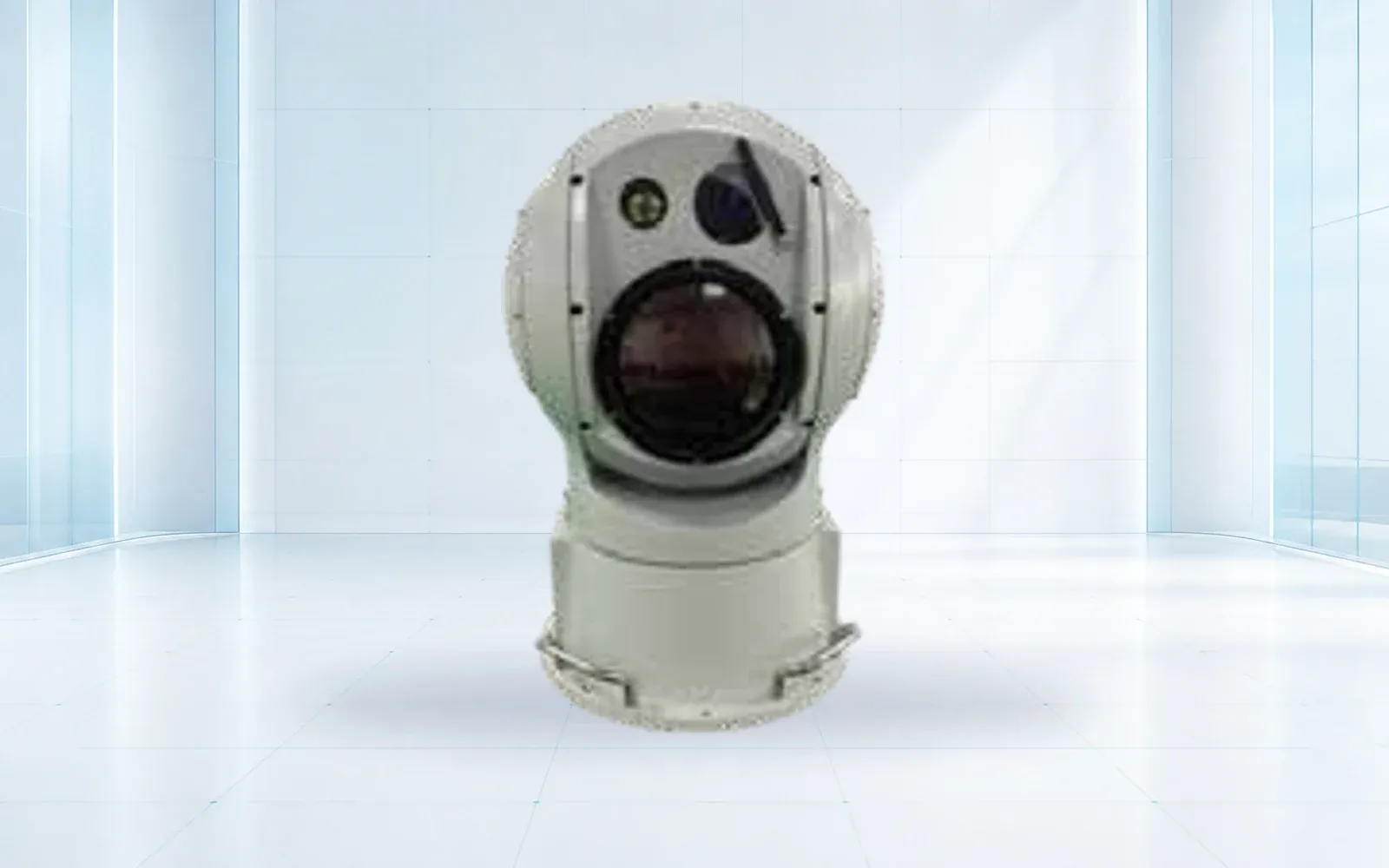
| Fixed radar, RF and EO | Persistent coverage and repeatable geometry | Siting, network, maintenance and capital cost | Corrections, stations and critical sites |
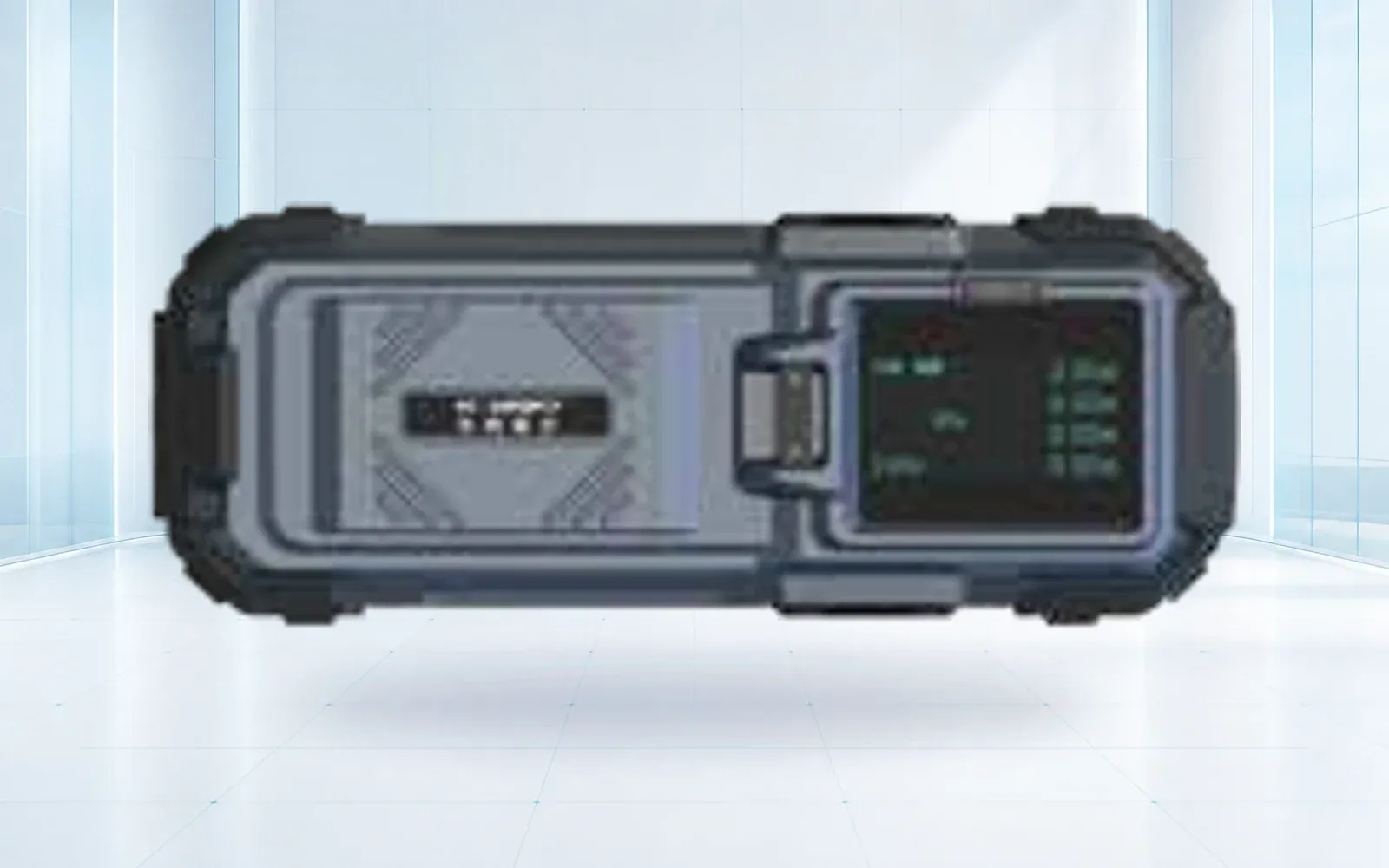
The NI-S2000H handheld locator and NI-SJG2000B backpack system illustrate the two carried roles. Fixed deployments add radar and visual tracking only where the threat model and response time justify permanent infrastructure. The counter-UAS product category is best used as a component map, not as a ready-made legal configuration.
Coverage Is a Site Property
Range claims are meaningful only when they identify the target, mounting geometry and test conditions. Dense Wi-Fi and other transmissions affect RF classification; buildings create radar shadow zones; rain, haze and lighting affect EO/IR confirmation. A quiet rural demonstration cannot validate an urban deployment.
Start the survey with an obstruction map, spectrum observations, likely approach paths and the response team’s travel time. Place sensors so their overlap serves a purpose: radar should cue a camera, or RF direction finding should narrow a patrol search. Overlap that merely produces duplicate alarms increases workload without increasing confidence.
Acceptance testing should include representative small aircraft, hover and transit profiles, non-cooperative scenarios that are legal to simulate, night operation and the site’s normal nuisance sources. Record both missed detections and nuisance alarms. An impressive maximum range with an unusable alarm rate is not operational coverage.
Specify the Incident Record Before the Hardware
Evidence quality is largely an integration requirement. The request for proposals should define a common time source, event identifier, retention period, role-based access and an export that can be reviewed without a proprietary live system.
At acceptance, restart devices, interrupt the network and change an authorized configuration. The system should show what data was lost, preserve the audit trail and recover without silently changing timestamps. Export one complete test incident and have investigators, prosecutors, privacy staff and IT review it together.
The July 2026 rule adds specific privacy, coordination and reporting obligations for agencies using the federal framework. Those records should be designed into the platform rather than reconstructed after an operation. Requirements also need a jurisdiction-specific retention schedule; a vendor’s default storage period is not an evidence policy.
Budget for a Program, Not a Sensor
Hardware price alone does not support a useful comparison. Total ownership includes site work, network and power, software, data retention, training, recurrent certification, maintenance, exercises and evidence review. Staffing can dominate a temporary event program, while civil works and integration dominate a fixed site.
Use a phased acquisition only when every phase has a defined capability. A practical sequence may start with Remote ID/RF awareness and evidence handling, add repositionable direction finding for events, and install radar or fixed EO only after incident data proves the coverage need. Funding availability should not reverse that logic.
For each phase, tie payment to an acceptance artifact: coverage map, alarm-performance report, evidence export, training record and recovery test. The law-enforcement and public-safety solution shows how these deliverables connect to dispatch, scene management and review rather than ending at the sensor alarm.
Procurement Decision Record
Before issuing an order, the agency should be able to answer:
- Which actions are authorized for this agency, site and operator?
- Which target and transmission classes are inside and outside coverage?
- What is the maximum acceptable nuisance-alarm workload?
- How will tracks, media and operator decisions share time and identity?
- Which Federal, aviation, spectrum, privacy and local approvals apply?
- What evidence proves acceptance and supports recurrent review?
These answers create a defensible shortlist and prevent an active mitigation feature from being mistaken for operational authority. Teams that need a component-level configuration review can use the resource library alongside site records, then contact OMNI UXV for a documented detection and evidence architecture.
FAQs
Can any U.S. police department use a jammer against a drone?
No. The SAFER SKIES framework makes mitigation conditional on agency authorization, trained and certified personnel, approved technologies, aviation coordination, privacy safeguards, and post-action reporting. Buying a jammer does not itself create legal authority to operate it.
Is Remote ID enough for a law enforcement drone-security program?
Remote ID is useful for cooperative aircraft, but it does not replace RF detection, radar, or visual confirmation when a broadcast is absent, incomplete, or misleading. Agencies should document which target types each sensor can and cannot observe.
What should a counter-drone evidence export contain?
A useful export preserves synchronized timestamps, original sensor records, track history, operator actions, configuration details, media hashes, and a custody log. Assessments such as intent should remain separate from the measurements that support them.
How should agencies compare vendor detection-range claims?
Compare range only for a defined target, geometry, probability of detection, nuisance-alarm rate, and environment. Require an on-site acceptance test because buildings, spectrum congestion, vegetation, weather, and antenna height can change practical coverage.
Can a police drone-detection system affect airport operations?
Potentially. Detection and mitigation equipment can introduce aviation, spectrum, siting, and coordination concerns near airports. Agencies should involve the FAA, airport operator, air traffic, spectrum specialists, and legal counsel as required for the site.